
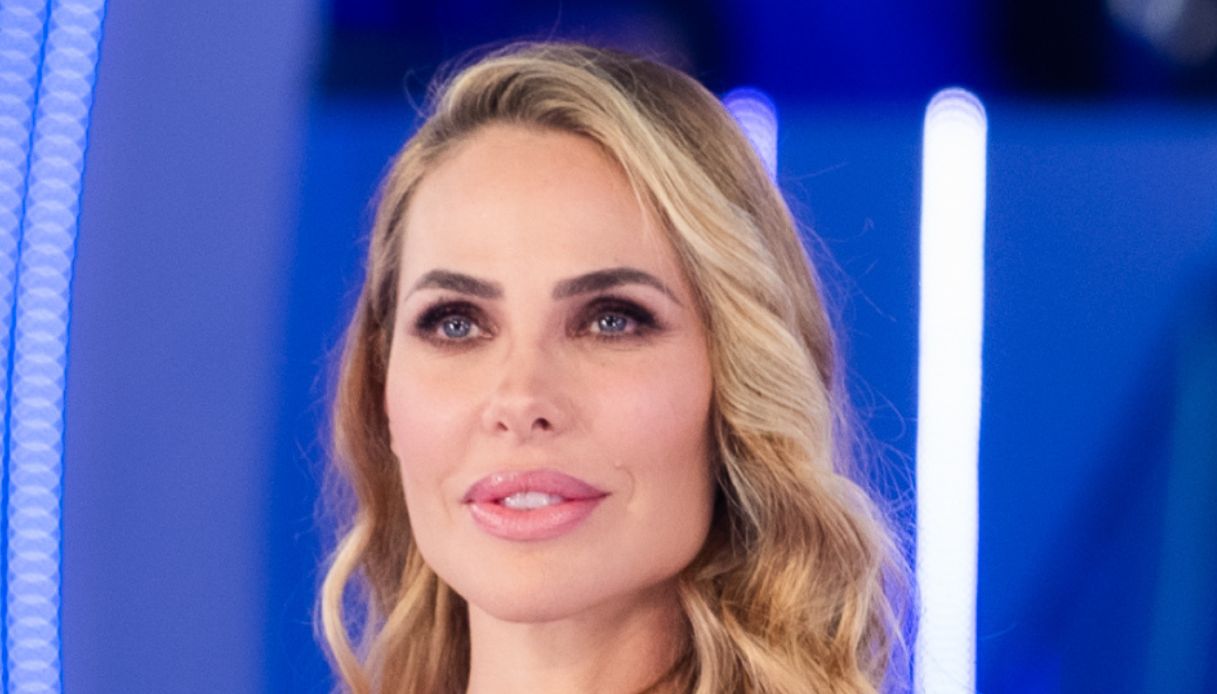
The return of Ilary Blasi to the helm of Grande Fratello Vip marks more than just a homecoming for one of Italy’s most recognizable television personalities; it signals a strategic shift in the energy and aesthetic of the long-running reality franchise. Blasi, who first launched the show in 2016, has returned to the hosting role with a perspective shaped by years of professional evolution and a newfound personal stability that she credits to her current life stage.
In recent discussions regarding her comeback, Blasi has described her career trajectory as a turning wheel, suggesting that the cyclical nature of the entertainment industry often brings professionals back to the projects where they first found significant success. This return is not merely a nostalgic exercise but a calculated move to bring a refined, more understated presence to a format often defined by chaos and high-decibel conflict.
The current season is defined by a distinct shift in studio dynamics, specifically the introduction of an all-female panel. Blasi is now joined by commentators Selvaggia Lucarelli and Cesara, creating a trio of differing personalities designed to provide a balanced yet critical lens on the contestants’ behavior inside the house. This arrangement aims to move away from previous seasons’ dynamics, placing a heavier emphasis on psychological analysis and sharp social commentary.
The “Favorite” Dilemma and Contestant Dynamics
One of the most persistent questions facing Blasi since her return has been her preference among the current cast of contestants. In a characteristic move of diplomatic deflection, Blasi has avoided naming a specific favorite, instead describing the group collectively as “all crazy” (sono tutti matti). This phrasing, while humorous, reflects the inherent unpredictability of the Grande Fratello Vip environment, where the boundary between authentic personality and performance is perpetually blurred.

The host’s approach to the contestants is mirrored in her relationship with the studio panelists. Blasi has expressed a particular appreciation for Selvaggia Lucarelli’s cynical humor, noting that Lucarelli’s ability to “dip her biscuit” into complex stories adds a layer of intellectual irony to the proceedings. While Lucarelli is often cast as the “villain” or the primary critic in the studio, Blasi has indicated that she finds this dynamic stimulating, admitting a shared affinity for non-trivial, cynical observation.
Conversely, Blasi describes the role of Cesara as providing a maternal counterbalance to the studio’s sharper edges. This trio—the poised host, the cynical critic and the maternal guide—is intended to mirror the various emotional reactions of the viewing audience, ensuring that no contestant’s action goes unexamined from multiple psychological angles.
A Strategic Shift in Style and Sobriety
Beyond the interpersonal dynamics, Blasi’s return has been highlighted by a conscious decision to pivot her visual presentation. For her debut episode, she eschewed the flamboyant costumes of previous years in favor of a “sobriety” intended to keep the focus squarely on the program’s content. This aesthetic shift is viewed by industry analysts as a way to mature the show’s image, aligning the host’s presence with the sophisticated nature of the spin-off’s current direction.
The debut look featured a black silk slip dress by Dsquared2, evoking a 1990s minimalist vibe. The outfit, characterized by a floor-length skirt, thin straps, and a deep neckline, was curated by stylist Silvia Giacò. According to production details, the styling was inspired by a blend of contemporary Fashion Week trends and the understated elegance typically seen at the Oscars. The look was completed with gold bracelets and dark patent stiletto pumps, emphasizing a “less is more” philosophy.
This commitment to elegance over extravagance serves a dual purpose: it reinforces Blasi’s status as a fashion icon while ensuring that her wardrobe does not overshadow the unfolding drama of the contestants. By returning to a more natural and understated charm, Blasi is attempting to redefine the role of the reality host as a sophisticated moderator rather than a central spectacle.
Professional Fluidity and Personal Stability
Blasi has been candid about her inconsistent relationship with the television industry, describing her career as a series of phases. In a revealing comparison, she likened her professional presence to that of businessman Mark Caltagirone, noting that the public never truly knows if she is “there” or in a period of withdrawal. She has stated that she lacks the anxiety of being forgotten, a sentiment that allows her to accept roles based on enjoyment and timing rather than a desperate need for visibility.
This professional detachment is supported by a period of personal tranquility. After several years of intense public scrutiny and media storms regarding her private life, Blasi has entered what she describes as a “quiet period.” She attributes much of this centeredness to her relationship with Bastian Muller, stating that he represents an “added value” to her life. This emotional stability has reportedly influenced her approach to hosting, allowing her to navigate the high-pressure environment of live television with greater ease, and composure.
The intersection of her personal happiness and professional freedom has created a version of Ilary Blasi that is more selective and less pressured. By viewing her job as a source of fun rather than a mandatory obligation, she brings a lightness to the Grande Fratello Vip set that contrasts with the often heavy emotional baggage carried by the contestants.
What In other words for the Future of GF Vip
The return of Blasi suggests that the producers of Grande Fratello Vip are leaning into a “prestige” version of the reality format. By pairing a high-profile, fashion-forward host with a sharp-tongued intellectual like Lucarelli, the show is attempting to attract a broader demographic—moving beyond simple voyeurism toward a more curated form of social entertainment.

The success of this formula depends on the balance between the “madness” of the contestants and the sophistication of the studio. If Blasi can maintain her role as the poised center of this storm, the show may successfully transition from a tabloid-style reality program to a more structured study of human behavior under pressure.
For viewers and industry observers, the key will be whether Blasi’s “inconsistent” relationship with TV leads to a long-term commitment to the franchise or if this return is simply another turn of the wheel in her eclectic career. For now, her presence provides a stabilizing force for a program that thrives on instability.
The next major checkpoint for the season will be the upcoming elimination rounds, where the dynamics between Blasi and the panel will be tested as the contestant pool narrows and tensions within the house reach their peak.
We want to hear from you: Do you think the new all-female panel changes the energy of the show? Share your thoughts in the comments below and share this analysis with other GF Vip fans.