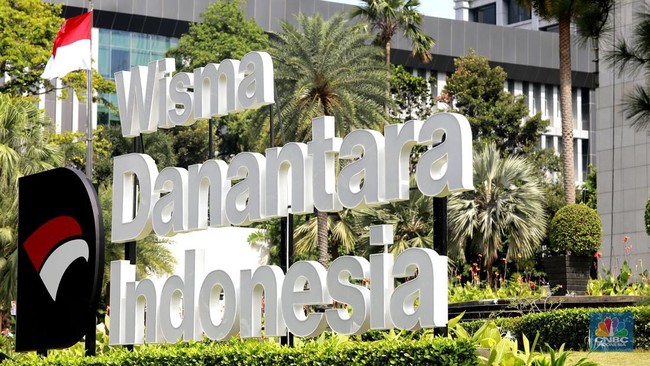
The Indonesian government is weighing a significant shift in its approach to the digital economy, as the newly established BPI Danantara investment agency addresses proposals to acquire shares in ride-hailing “applicators” to curb commission rates for drivers. This potential move represents a pivot toward state intervention in a sector previously dominated by private venture capital and market-driven pricing.
At the center of the controversy is a growing demand from ride-hailing drivers—known locally as ojol—to cap the commissions taken by platforms like Gojek, and Grab. Proponents of the intervention argue that a state-led ownership stake through Danantara would provide the government with the leverage necessary to mandate a commission ceiling, potentially reducing the current rates to as low as 8 percent
.
The proposal has sparked a heated debate among economists and market analysts regarding the balance between social welfare and market stability. While the move is framed as a way to protect the livelihoods of millions of gig workers, critics warn that such a populist approach could introduce systemic risks to Indonesia’s tech ecosystem and deter foreign direct investment.
As BPI Danantara begins to define its role as Indonesia’s “super” sovereign wealth fund, its response to the ride-hailing crisis serves as a litmus test for how the agency will manage the intersection of state interests and private enterprise in the digital age.
The Proposal for State Intervention in Ride-Hailing
The discourse surrounding state ownership of ride-hailing apps emerged from a series of protests and petitions by drivers who claim that the current commission structures are unsustainable. Under the current model, platforms take a significant percentage of each fare to cover operational costs and achieve profitability, leaving drivers with diminishing net earnings as competition increases.
The suggested solution involves a two-pronged strategy: the implementation of a regulatory cap on commissions and the strategic acquisition of shares in the platforms by BPI Danantara. By becoming a shareholder, the Indonesian state would transition from a mere regulator to an active participant in the corporate governance of these platforms.
The specific target of 8 percent commission has become a rallying point for driver unions. They argue that this limit would ensure a living wage for drivers while still allowing the companies to maintain basic infrastructure. However, the feasibility of such a low cap is questioned by industry experts who point to the high costs of maintaining real-time mapping, payment gateways, and customer support systems.
Understanding BPI Danantara’s Role
BPI Danantara is designed to be a centralized investment agency, modeled after entities like Singapore’s Temasek, intended to manage state-owned assets more efficiently and aggressively grow the nation’s wealth. Unlike previous state-owned enterprises (SOEs), Danantara is positioned to operate with greater flexibility in the private equity and capital markets.
The agency’s potential entry into the ride-hailing sector would mark a departure from traditional infrastructure investment. Instead of building roads or ports, the state would be investing in “digital infrastructure”—the algorithms and platforms that coordinate urban mobility. This shift reflects the government’s recognition that digital platforms now function as essential public utilities in major cities like Jakarta.
Market Volatility and the ‘GOTO’ Effect
The prospect of state intervention has already sent ripples through the Indonesian Stock Exchange. Investors have closely monitored the shares of PT GoTo Gojek Tokopedia Tbk (GOTO), the parent company of Gojek, which is the most prominent local player in the ride-hailing space.
Market reactions have been volatile, with some analysts suggesting that the threat of a state-mandated commission cap could severely impact the path to profitability for tech companies. If the government forces a reduction in revenue per trip, the valuation of these companies could be downgraded, potentially leading to a decline in share prices.
Some reports have highlighted instances where GOTO shares faced significant downward pressure, occasionally hitting the “gocap” level (50 rupiah), the lowest price typically seen for listed shares on the Indonesia Stock Exchange. While various factors contribute to stock fluctuations, the uncertainty surrounding government intervention in the commission structure remains a primary concern for institutional investors.
The Debate: Populism vs. Systemic Risk
The proposal to cap commissions at 8 percent has divided the economic community into two primary camps: those who prioritize the “social safety net” and those who prioritize “market integrity.”
Supporters of the move argue that the ride-hailing sector has created a “precariat” class of workers who bear all the operational risks—fuel, vehicle maintenance, and insurance—while the platforms reap the rewards of data and scale. They contend that state ownership is the only way to ensure that the digital economy does not operate on an exploitative basis.
Conversely, critics argue that What we have is a populist policy
that risks creating systemic instability. The primary concerns include:
- Investment Deterrence: If the state can arbitrarily cap revenue streams in one sector, foreign investors may fear similar interventions in other tech verticals, such as e-commerce or fintech.
- Operational Viability: An 8 percent cap may be insufficient to cover the actual costs of running a global-scale platform, potentially leading to a decline in service quality or the exit of international players.
- Market Distortion: State ownership could lead to political interference in business decisions, where platforms are pressured to prioritize political optics over economic efficiency.
Comparing the Intervention Models
To understand the gravity of this proposal, it is helpful to compare the potential state-led model against the current market-led model.
| Feature | Market-Led Model (Current) | State-Intervention Model (Proposed) |
|---|---|---|
| Commission Rates | Determined by platform algorithms and competition. | Capped by regulation (Proposed 8%). |
| Ownership | Private shareholders and venture capital. | Mixed; state ownership via BPI Danantara. |
| Primary Goal | Profitability and market share growth. | Balance of profit and driver welfare. |
| Regulatory Role | External oversight and licensing. | Internal influence through board representation. |
What This Means for the Future of the Gig Economy
If BPI Danantara proceeds with acquiring shares in ride-hailing applicators, it could set a global precedent for how governments handle the “gig economy.” For years, the struggle between platform companies and independent contractors has been fought in courts over the definition of “employee” versus “partner.” Indonesia’s proposed approach bypasses the legal definition of employment and instead uses capital ownership to force a redistribution of wealth.
This strategy effectively treats the ride-hailing platform as a hybrid entity—part private business, part public utility. If successful, it could provide a blueprint for other emerging economies to protect their workforce without fully nationalizing industry.
However, the success of this model depends entirely on the execution. BPI Danantara must balance its role as a profit-seeking investment fund with its mandate as a tool for social stability. If the agency pushes too hard on the 8 percent cap, it risks destroying the value of the very assets it has purchased.
Stakeholders and Impact Summary
The outcome of this policy shift will affect several key groups differently:
- Drivers: Potential for higher take-home pay and more predictable earnings, provided the platforms remain operational.
- Platform Executives: Pressure to drastically optimize costs and a loss of absolute control over pricing strategies.
- Retail Investors: Increased risk of volatility in tech stocks as the government takes a more active role in pricing.
- Consumers: Possible risk of higher fares if platforms pass the cost of lower commissions onto the end-user.
Next Steps and Checkpoints
The situation remains fluid as BPI Danantara continues to refine its investment strategy. The government has not yet announced a formal timeline for the acquisition of shares or the official implementation of the commission cap.
The next critical checkpoint will be the official policy announcement from the Ministry of Transportation and the BPI Danantara board regarding the regulatory framework for “applicator” commissions. Market participants are specifically looking for any formal decree that codifies the commission limits or announces a state-led equity purchase.
We invite our readers to share their thoughts in the comments section: Should the state intervene in the digital economy to protect gig workers, or does this risk stifling innovation? Share this article to join the conversation on the future of the global digital economy.