
Brazil’s Inflation Preview Comes in Below Expectations, Easing Pressure on Central Bank
Brazil’s mid-month inflation gauge, the IPCA-15, rose 0.89% in April, marking the highest increase for the month since 2016 but still coming in below market expectations. The figure, released by the Brazilian Institute of Geography and Statistics (IBGE) on Tuesday, April 28, 2026, reflects persistent upward pressure from food and beverage prices, though analysts note the result may provide some relief to the Central Bank as it prepares for its next interest rate decision.
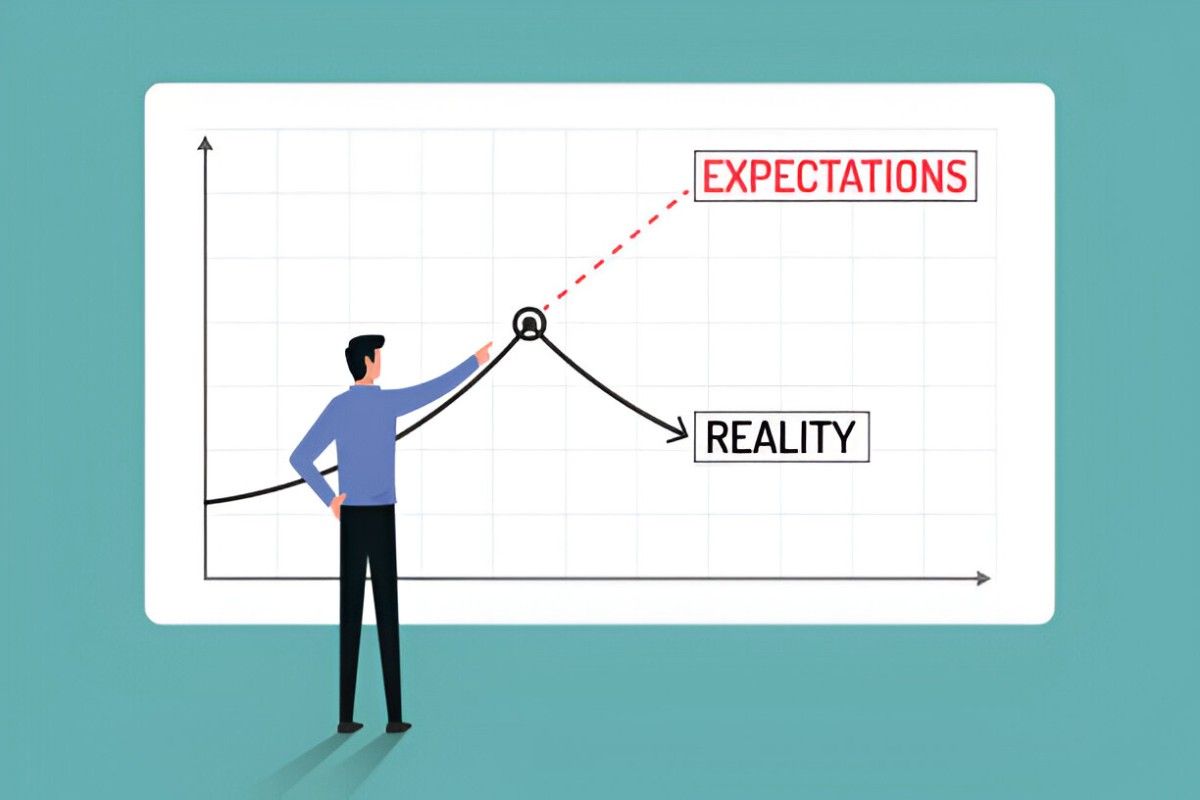
The IPCA-15 is a key indicator for Brazil’s monetary policy, serving as a preview of the country’s official inflation rate. While the 0.89% rise is significant, it fell short of the 0.95% median forecast from economists polled by Reuters, suggesting that inflationary pressures may be stabilizing—at least temporarily. The result follows a 0.36% increase in March and brings the 12-month inflation rate to 3.77%, still below the Central Bank’s 4.5% target for 2026 but closer to the upper limit of its tolerance range.
For investors and policymakers, the April IPCA-15 reading offers a mixed signal. On one hand, the lower-than-expected figure could ease concerns about runaway inflation, potentially influencing the Central Bank’s upcoming decision on interest rates. On the other, the continued rise in food prices—particularly staples like rice, beans, and meat—highlights persistent cost-of-living challenges for Brazilian households. With the Central Bank of Brazil’s Monetary Policy Committee (Copom) set to meet next week, the latest inflation data will be closely scrutinized for clues about the future direction of monetary policy.
Food and Beverages Drive April’s Increase
The April IPCA-15 was heavily influenced by a 1.24% rise in food and beverage prices, the highest monthly increase for the category since December 2023. According to the IBGE, the surge was driven by higher costs for essential items, including:
- Rice (+3.21%)
- Beans (+5.89%)
- Meat (+1.87%)
- Dairy products (+2.15%)
The IBGE attributed the price hikes to a combination of factors, including adverse weather conditions in key agricultural regions, supply chain disruptions, and increased domestic demand. The agency also noted that the rise in food prices was partially offset by a 0.23% decline in transportation costs, driven by lower fuel prices during the reference period.
Despite the April increase, food inflation has shown signs of moderation compared to earlier in the year. In January, food prices surged 2.18%, while February saw a 1.56% rise. The slower pace of growth in April suggests that some of the supply-side pressures may be easing, though analysts caution that volatility in global commodity markets could still pose risks in the coming months.
Broader Inflation Trends and Monetary Policy Implications
While the April IPCA-15 came in below expectations, the 12-month inflation rate of 3.77% remains a concern for policymakers. The Central Bank of Brazil has maintained a cautious stance on monetary policy, keeping the benchmark Selic interest rate at 10.50% since its last adjustment in December 2025. The bank’s primary objective is to anchor inflation expectations around its 4.5% target, with a tolerance range of 1.5 percentage points above or below that figure.
The latest inflation data arrives at a critical juncture for the Central Bank. Financial markets had widely anticipated a more aggressive reading, with some analysts predicting a figure closer to 1.0%. The lower-than-expected result could reduce pressure on the Copom to implement further rate hikes, though policymakers are likely to remain vigilant given the recent volatility in global markets and domestic fiscal challenges.
In a statement accompanying the release, the IBGE noted that while the April IPCA-15 reflects short-term price movements, the broader inflation outlook remains uncertain. The agency highlighted several risk factors, including:
- Fluctuations in global commodity prices, particularly for oil and agricultural products
- Domestic fiscal policy developments, including government spending and tax reforms
- Exchange rate volatility, which could impact import costs
- Weather-related disruptions to agricultural production
For now, the Central Bank is expected to maintain its data-dependent approach, with the next Copom meeting scheduled for May 7-8, 2026. Analysts will be closely watching the bank’s forward guidance, particularly any signals about the potential timing of future rate cuts or hikes.
Market Reactions and Investor Sentiment
The release of the April IPCA-15 triggered a positive reaction in Brazilian financial markets. The benchmark Ibovespa stock index rose 1.2% in early trading, while the Brazilian real strengthened slightly against the U.S. Dollar. Investors appeared to interpret the lower-than-expected inflation reading as a sign that the Central Bank may adopt a more accommodative stance in the near term, reducing the likelihood of further rate hikes.

However, some market participants remain cautious. In a note to clients, economists at Itaú Unibanco warned that while the April IPCA-15 was encouraging, underlying inflationary pressures persist. The bank’s analysts pointed to core inflation measures, which exclude volatile items like food and energy, as a better indicator of long-term trends. Core inflation has remained stubbornly high in recent months, suggesting that the Central Bank may need to maintain a restrictive monetary policy stance for longer than initially anticipated.
Bond markets also reacted positively to the inflation data, with yields on Brazilian government debt falling slightly. The 10-year bond yield dropped to 10.85% from 10.92% the previous day, reflecting reduced expectations of further monetary tightening. However, analysts caution that external factors, such as U.S. Federal Reserve policy and global risk sentiment, could still influence Brazilian bond markets in the coming weeks.
What’s Next for Brazil’s Economy?
Looking ahead, economists will be closely monitoring several key developments that could shape Brazil’s inflation trajectory and monetary policy outlook:
- Copom’s May Meeting: The Central Bank’s next interest rate decision, scheduled for May 8, 2026, will be critical in determining the near-term direction of monetary policy. While the April IPCA-15 may reduce pressure for a rate hike, policymakers are likely to emphasize the need for caution given persistent inflation risks.
- Fiscal Policy: The Brazilian government’s fiscal strategy, including proposed tax reforms and spending measures, will play a significant role in shaping inflation expectations. Any signs of loosening fiscal discipline could reignite inflationary pressures and prompt a more hawkish response from the Central Bank.
- Global Commodity Prices: Brazil’s inflation outlook remains vulnerable to fluctuations in global commodity markets, particularly for oil and agricultural products. A sharp rise in commodity prices could reverse some of the recent moderation in inflation.
- Exchange Rate Dynamics: The Brazilian real has shown resilience in recent months, but further depreciation could push up import costs and fuel inflation. The Central Bank may need to intervene in currency markets if volatility increases.
The next official inflation reading, the IPCA for April, is scheduled for release on May 10, 2026. Economists expect the figure to align closely with the IPCA-15, though any surprises could further influence market sentiment and monetary policy expectations.
Key Takeaways
- The IPCA-15 rose 0.89% in April, the highest increase for the month since 2016 but below market expectations of 0.95%.
- Food and beverage prices drove the increase, rising 1.24% due to higher costs for rice, beans, meat, and dairy products.
- The 12-month inflation rate stands at 3.77%, below the Central Bank’s 4.5% target but within its tolerance range.
- Financial markets reacted positively to the data, with the Ibovespa rising 1.2% and bond yields falling slightly.
- The Central Bank’s next interest rate decision, scheduled for May 8, 2026, will be closely watched for signals on future monetary policy.
- Analysts caution that underlying inflationary pressures, particularly in core inflation, remain a concern for policymakers.
As Brazil navigates a complex economic landscape, the April IPCA-15 provides a glimmer of optimism for policymakers and investors alike. However, the road ahead remains uncertain, with global and domestic factors poised to shape the country’s inflation trajectory in the coming months. For now, all eyes are on the Central Bank’s next move—and what it means for Brazil’s economic recovery.
What are your thoughts on Brazil’s inflation outlook? Share your views in the comments below and join the conversation on how monetary policy could shape the country’s economic future.
Related reading
- Controversial Bitcoin BIP-110 Fork May Create Double Balances
- Bella Ramsey Interview: On Fame, Identity, and Why They Don’t Feel Like an Actor
- Northwestern University secures $20M for AI-driven protein engineering lab (time.news)
- Airline Returns to Transpacific Market to Rival Alaska Airlines (archyde.com)