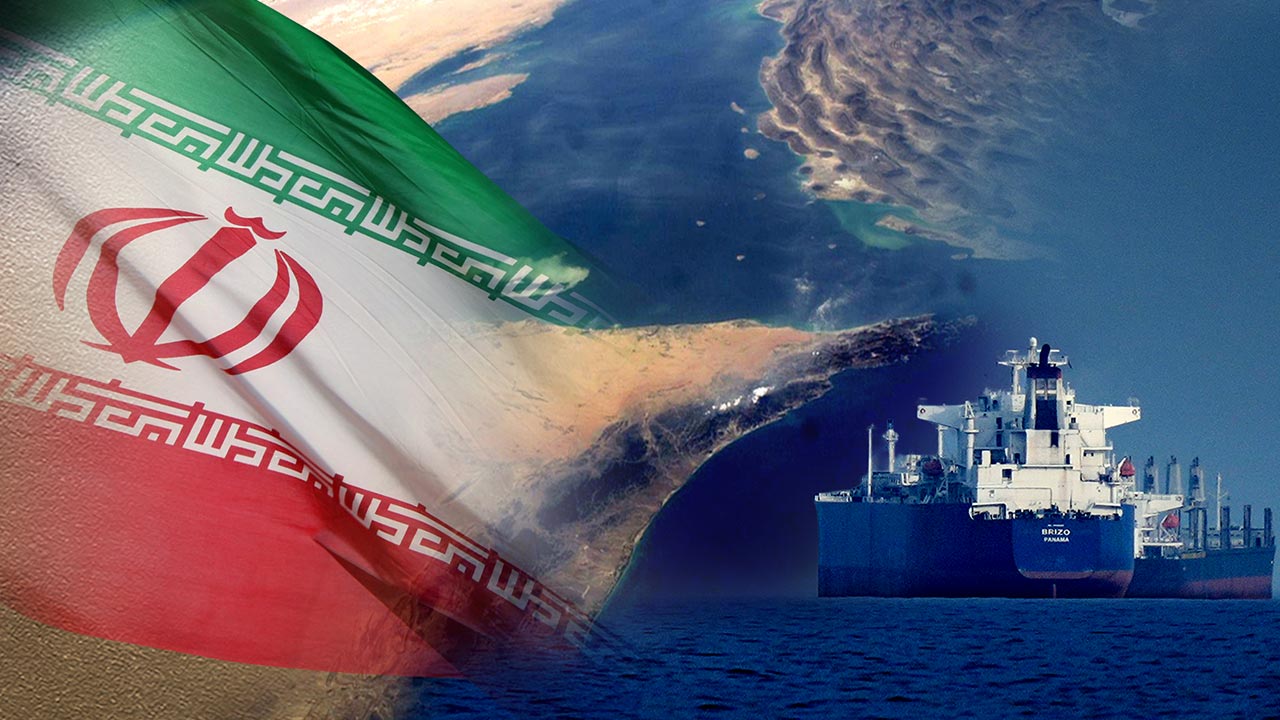
Tehran is reportedly considering a short-term suspension of its own shipping activities in the Strait of Hormuz to avoid a direct military escalation with the United States. This strategic pause comes as both nations navigate a volatile period of naval confrontations and fragile diplomatic efforts to prevent a full-scale war.
The move is seen as a pragmatic attempt by Iran to ensure that ongoing peace negotiations are not derailed by accidental or intentional clashes at sea. According to reports from Bloomberg, cited by Hani, Iranian officials are weighing the temporary cessation of vessel movements to signal a willingness to engage in diplomacy while the U.S. Maintains a restrictive naval presence in the region.
The tension reached a critical peak on April 13, 2026, when the United States launched an operation to blockade Iranian-linked vessels passing through the strait. This action followed the collapse of peace talks on April 12, leading to a high-stakes “counter-blockade” scenario that has heightened global concerns over energy security and potential oil shocks.
Despite the naval standoff, diplomatic channels remain open. Mediators, including Pakistan, are reportedly working to facilitate the resumption of peace negotiations this coming weekend, making the potential Iranian shipping pause a calculated move to preserve these diplomatic openings.
The Strategic Significance of the Strait of Hormuz
The Strait of Hormuz is one of the world’s most critical maritime chokepoints. Located in Western Asia, it connects the Persian Gulf with the Gulf of Oman, situated between the coast of Iran and the Musandam Peninsula, an exclave of Oman (NamuWiki). Since a vast majority of the world’s seaborne oil passes through this narrow waterway, any disruption—whether through a blockade or military conflict—has immediate implications for global oil prices and economic stability.
The current crisis is characterized by a “counter-blockade” strategy. After the failure of diplomatic talks on April 12, the U.S. Military began intercepting and blocking Iranian-affiliated ships on April 13 (Hani). By considering a voluntary suspension of its own shipping, Iran aims to lower the temperature of the conflict and avoid a direct kinetic engagement that could escalate into a broader regional war.
Diplomatic Maneuvers and the Path to De-escalation
The decision to potentially halt shipping is not merely a tactical retreat but a diplomatic signal. Sources close to the Iranian government suggest that a few days of reduced maritime activity would serve as a “practical measure” to prevent the undermining of current diplomatic efforts (Hani). This approach allows Tehran to maintain its posture while providing the necessary space for mediators to reorganize the peace talks.
The involvement of third-party nations, specifically Pakistan, highlights the complexity of the current geopolitical landscape. The goal of these mediators is to bring both the U.S. And Iran back to the negotiating table by the end of the week. If Iran successfully implements a temporary shipping pause, it may reduce the immediate justification for the U.S. To maintain its aggressive blockade, potentially creating a window for a ceasefire or a new diplomatic agreement.
Key Timelines of the April 2026 Crisis
| Date | Event | Impact |
|---|---|---|
| April 12, 2026 | U.S.-Iran peace negotiations collapse | Diplomatic breakdown leading to military escalation |
| April 13, 2026 | U.S. Begins blockade of Iranian-linked ships | Increased naval tension in the Persian Gulf |
| April 14, 2026 | Reports emerge of Iran considering shipping pause | Potential shift toward avoiding direct conflict |
| Upcoming Weekend | Proposed resumption of peace talks | Critical window for diplomatic resolution |
Global Implications and Energy Security
The volatility in the Strait of Hormuz is closely monitored by global markets. The threat of a prolonged blockade or an “oil shock” has been a recurring concern since March 2026, as tensions between the U.S. And Iran intensified (NamuWiki). When shipping is disrupted in this region, the risk of supply chain interruptions increases, often leading to speculative price hikes in crude oil.
Iran’s consideration of a shipping pause is a direct response to the risk of “expansion” or “widening” of the war. By choosing to limit its maritime activities, Tehran is attempting to balance its domestic need for strength with the international reality of U.S. Naval superiority in the region. The outcome of this strategy depends heavily on whether the U.S. Views the pause as a genuine gesture of goodwill or as a tactical maneuver.
The international community remains focused on whether the upcoming diplomatic contacts, facilitated by countries like Pakistan, can produce a sustainable agreement. The ability of both nations to move from naval blockades to negotiated settlements will determine whether the global economy faces a period of prolonged energy instability or a return to a fragile status quo.
The next critical checkpoint will be the results of the diplomatic contacts scheduled for this weekend to determine if peace negotiations will officially resume. We will continue to monitor these developments as they unfold.
Do you believe diplomatic mediation can resolve the standoff in the Strait of Hormuz? Share your thoughts in the comments below and share this report with your network.
Related reading