
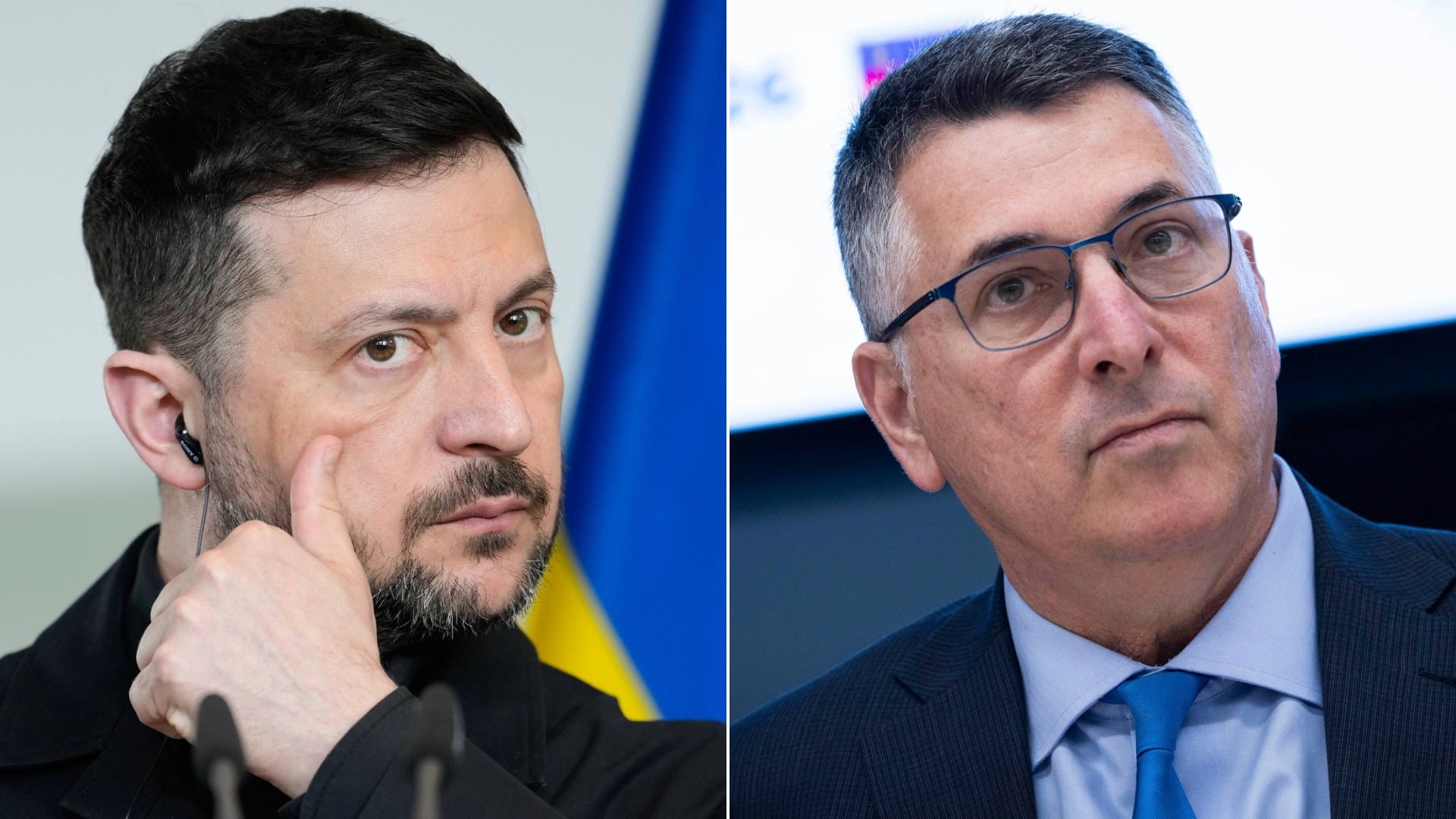
Israel Denies Evidence of Stolen Russian Grain as Ukraine Threatens Sanctions
Tensions between Israel and Ukraine escalated this week after Kyiv accused Israel of receiving shipments of grain allegedly stolen from Russian-occupied Ukrainian territories. Israel’s Foreign Ministry responded by stating it has found no proof that the cargo in question originated from stolen Ukrainian supplies, while Ukrainian officials warned of potential sanctions against Israeli companies involved in the trade.
The dispute centers on a shipment of Russian grain that arrived at the Israeli port of Haifa earlier this month. Ukrainian President Volodymyr Zelensky publicly accused Israel of turning a blind eye to the origins of the cargo, suggesting that Israeli authorities “cannot be unaware” that the grain came from territories illegally seized by Russia. The allegations come amid broader international efforts to block the sale of Ukrainian agricultural products looted by Russian forces since the full-scale invasion began in 2022.
Israel’s Foreign Minister, Israel Katz, dismissed the accusations as unfounded, telling reporters on Tuesday that no evidence had been presented to support Ukraine’s claims. “We have thoroughly examined the documentation for this shipment and found no indication that the grain was stolen,” Katz stated. He also criticized Zelensky’s public statements, labeling them an example of “Twitter diplomacy” that undermines constructive dialogue between the two nations.
The Grain Dispute: What We Know So Far
The shipment at the heart of the controversy arrived in Haifa on April 15, 2026, aboard the cargo vessel Mikhail Bulgakov, according to port records. Ukrainian officials claim the grain originated from Russian-occupied regions of eastern and southern Ukraine, where Russian forces have been accused of systematically seizing agricultural products from local farmers and exporting them as Russian goods. The Ukrainian government has long argued that such shipments violate international law and amount to the theft of Ukrainian property.
Israel’s Foreign Ministry, though, maintains that the grain’s documentation—including certificates of origin and export licenses—lists Russia as the country of origin. “The paperwork is in order, and there is no reason to believe this cargo was stolen,” a ministry spokesperson told reporters. The spokesperson added that Israel is open to further investigation if Ukraine provides concrete evidence to the contrary.
Ukraine’s Foreign Ministry responded sharply to Israel’s denial, with spokesperson Oleh Nikolenko stating that Kyiv “reserves the right to impose sanctions on Israeli companies involved in the trade of stolen Ukrainian grain.” Nikolenko did not specify which companies might be targeted, but Ukrainian officials have previously sanctioned entities in other countries, including Turkey and Syria, for similar activities. The European Union and the United States have also imposed restrictions on the import of Russian grain from occupied Ukrainian territories, though enforcement has proven challenging due to the complexity of supply chains and the use of third-party intermediaries.
Broader Geopolitical Implications
The dispute over the grain shipment highlights the delicate balancing act Israel faces in its foreign policy amid the ongoing war in Ukraine. While Israel has condemned Russia’s invasion and provided humanitarian aid to Ukraine, it has stopped short of joining Western sanctions against Moscow, citing its require to maintain coordination with Russia over security operations in Syria. This cautious approach has drawn criticism from Kyiv and some Western allies, who argue that Israel’s reluctance to take a stronger stance undermines international efforts to isolate Russia.
Ukraine, for its part, has increasingly turned to public diplomacy to pressure countries it believes are enabling Russian aggression. Zelensky’s public accusation against Israel follows a pattern of high-profile statements targeting nations perceived as complicit in the trade of looted Ukrainian goods. In recent months, Ukraine has also accused Turkey, Egypt, and several African nations of importing stolen grain, though some of these countries have denied the allegations or claimed they were unaware of the grain’s origins.
The grain trade has become a flashpoint in the broader economic war between Russia and Ukraine. Since the start of the invasion, Russia has been accused of systematically looting Ukrainian grain, particularly from the occupied regions of Zaporizhzhia, Kherson, and Donetsk. The United Nations and human rights organizations have documented cases of Russian forces seizing grain storage facilities, forcing Ukrainian farmers to sell their crops at below-market prices, and exporting the goods under the guise of Russian production. The UN estimates that Russia has stolen or destroyed over $1 billion worth of Ukrainian grain since 2022.
Israel’s Stance on the War in Ukraine
Israel’s response to the grain dispute reflects its broader foreign policy challenges in navigating the war in Ukraine. While Israel has provided Ukraine with humanitarian aid, including medical supplies and field hospitals, it has avoided supplying lethal weapons or joining Western sanctions against Russia. This stance is driven in part by Israel’s security concerns in Syria, where Russian forces maintain a military presence. Israel relies on coordination with Russia to conduct airstrikes against Iranian-backed militias in Syria, a key priority for its national security.

At the same time, Israel has sought to maintain strong ties with Ukraine, which is home to a significant Jewish community and has been a vocal supporter of Israel in international forums. The grain dispute threatens to strain these relations, particularly as Ukraine faces mounting pressure to demonstrate progress in its counteroffensive against Russian forces. Zelensky’s public criticism of Israel may also be aimed at rallying domestic support and signaling to Western allies that Ukraine is taking a firm stance against all forms of Russian economic activity.
For Israel, the grain dispute presents a reputational risk, particularly as it seeks to position itself as a neutral mediator in global conflicts. The country’s refusal to take a stronger stance against Russia has already drawn criticism from some quarters, and the grain allegations could further complicate its diplomatic efforts. Israeli officials have emphasized that the country remains committed to upholding international law but must also prioritize its national security interests.
What Happens Next?
The immediate next steps in the dispute remain unclear. Ukraine has not yet provided public evidence linking the Haifa shipment to stolen grain, though Ukrainian officials have indicated that they are preparing a formal dossier for the Israeli government. If Kyiv follows through on its threat to impose sanctions, it could target Israeli companies involved in the grain trade, as well as individuals linked to the shipment.
Israel, for its part, has called for a diplomatic resolution to the dispute. Foreign Minister Katz suggested that the two countries could establish a joint working group to investigate the origins of the grain, though no such group has been formed as of this writing. Israeli officials have also emphasized that the country remains open to dialogue with Ukraine but will not be pressured into taking actions that could jeopardize its security interests.
On the international stage, the dispute is likely to fuel ongoing debates about the effectiveness of sanctions and the challenges of enforcing them. The case of the Haifa grain shipment underscores the difficulties of tracking and verifying the origins of goods in complex global supply chains, particularly when third-party intermediaries are involved. It also highlights the broader geopolitical tensions surrounding the war in Ukraine, as countries grapple with how to balance economic interests, security concerns, and moral obligations.
Key Stakeholders and Their Interests
- Ukraine: Seeks to cut off Russia’s revenue from stolen Ukrainian goods and pressure countries to take a stronger stance against Moscow. The grain dispute is part of a broader strategy to isolate Russia economically and diplomatically.
- Israel: Aims to maintain neutrality in the war while protecting its security interests in Syria. The grain dispute complicates its efforts to balance relations with Ukraine and Russia.
- Russia: Denies allegations of stealing Ukrainian grain and has accused Ukraine of spreading disinformation. Moscow has sought to circumvent Western sanctions by rerouting its exports through third countries.
- European Union and United States: Have imposed sanctions on Russian grain from occupied Ukrainian territories but face challenges in enforcing them. The dispute could lead to calls for stricter measures against countries facilitating the trade of stolen goods.
- Global Consumers: Many countries that import Russian grain, particularly in Africa and the Middle East, may face pressure to scrutinize the origins of their supplies. The dispute could lead to higher food prices and supply chain disruptions.
Frequently Asked Questions
Why is Ukraine accusing Israel of receiving stolen grain?
Ukraine alleges that a shipment of grain that arrived in the Israeli port of Haifa earlier this month originated from Russian-occupied Ukrainian territories. Kyiv claims that Russian forces have systematically looted grain from these regions and exported it as Russian goods. Ukraine argues that Israel, by accepting the shipment, is complicit in the trade of stolen property.
What evidence has Ukraine provided to support its claims?
As of this writing, Ukraine has not publicly released evidence linking the Haifa shipment to stolen grain. However, Ukrainian officials have stated that they are preparing a dossier for the Israeli government and reserve the right to impose sanctions on Israeli companies involved in the trade.
How has Israel responded to the accusations?
Israel’s Foreign Ministry has denied the allegations, stating that it has found no proof that the grain was stolen. Israeli officials say the shipment’s documentation lists Russia as the country of origin and that the paperwork is in order. Israel has called for a diplomatic resolution to the dispute and suggested the formation of a joint working group to investigate the matter.

What are the potential consequences of this dispute?
The dispute could strain relations between Israel and Ukraine, particularly if Kyiv follows through on its threat to impose sanctions. It may also draw attention to the broader issue of stolen Ukrainian grain and the challenges of enforcing sanctions against Russia. For Israel, the dispute presents a reputational risk and could complicate its efforts to maintain neutrality in the war.
How does this dispute fit into the broader context of the war in Ukraine?
The grain dispute is part of a larger economic war between Russia and Ukraine, in which both sides have sought to disrupt each other’s trade and revenue streams. Ukraine has accused Russia of stealing its grain and other resources, while Russia has sought to circumvent Western sanctions by rerouting its exports. The dispute also highlights the geopolitical tensions surrounding the war, as countries grapple with how to balance economic interests, security concerns, and moral obligations.
What’s Next?
The next key development in this dispute will likely come if Ukraine releases its dossier of evidence to the Israeli government. If Kyiv provides concrete proof linking the Haifa shipment to stolen grain, Israel may be forced to reconsider its stance. In the meantime, both countries are expected to continue diplomatic efforts to resolve the issue, though tensions are likely to persist.
For now, the international community will be watching closely to notice how the dispute unfolds and what steps, if any, Ukraine takes to impose sanctions on Israeli entities. The outcome could have broader implications for the enforcement of sanctions against Russia and the global trade of agricultural products.
We will continue to monitor this story and provide updates as new information becomes available. If you have questions or insights on this developing situation, we invite you to share your thoughts in the comments below.