

The Persistent Intrusion of Rumors: Jenna Bush Hager Reflects on Public Scrutiny
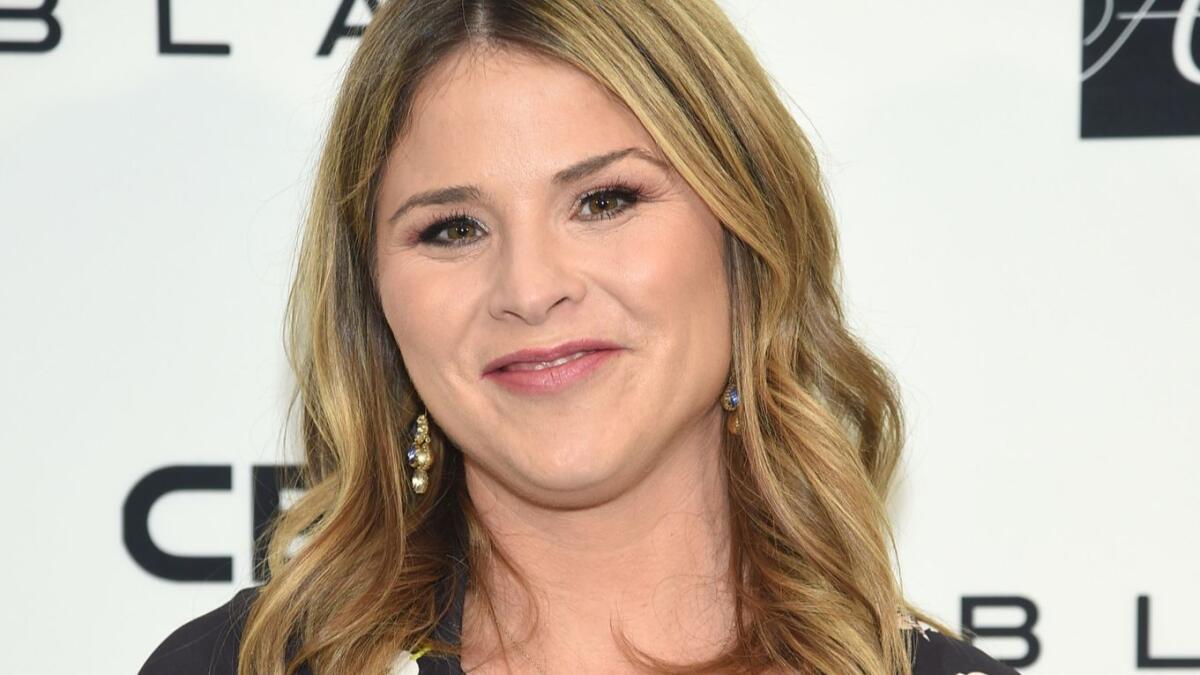
Jenna Bush Hager, co-host of NBC’s Today, recently opened up about the challenges of navigating public life and the often-unfounded rumors that accompany it. The conversation, sparked by reports surrounding celebrity engagements, prompted Hager to reflect on her own experiences with tabloid speculation, including instances of being falsely reported as pregnant. This experience highlights a broader issue of media intrusion and the impact of unsubstantiated claims on individuals in the public eye, a phenomenon increasingly common in the age of rapid information dissemination. The discussion underscores the importance of critical media consumption and the potential harm caused by anonymous “sources” frequently cited in celebrity reporting.
Speaking with co-host Sheinelle Jones on Tuesday, April 28, 2026, Hager described her frustration with the reliance on unnamed sources in media narratives. She recalled instances dating back to her youth, even as a teenager, where fabricated stories about her personal life were presented as fact. “I crack up, just because, there were times when I was written about throughout my life, even as a 19 or 18-year-old child,” Hager said, according to reporting from TV Insider. “And people would be like ‘sources confirm… a source really close to Jenna Bush says her partying ways are driving her and her twin sister apart!’” This anecdote illustrates the often-arbitrary and unsubstantiated nature of such reporting, raising questions about journalistic ethics and the pursuit of sensationalism.
Hager’s experience with pregnancy rumors, in particular, resonated with her as a moment of personal disappointment. She recounted a situation where a report claimed she was expecting a child while she was actively working towards a personal fitness goal. “There was one time, and I was so sad by it because I was a young person. Remember when the peasant shirts were in?…There was a peasant shirt, and they were like, ‘A source close to Jenna Bush says she is indeed pregnant,’” she recalled. “And I was like, ‘Oh, I thought I had just reached my goal weight.’ I was like, ‘I look pregnant?’ The fact we have to bring in sources.” This incident underscores the potential for such rumors to be particularly damaging when they intersect with personal insecurities and aspirations.
The Role of Anonymous Sources in Celebrity Reporting
The discussion on Today brought to light the common practice of relying on anonymous sources in celebrity journalism. Hager questioned the validity of these sources, noting their often-random and unsubstantiated nature. “No, it was always like, random,” she replied when asked if she ever believed the reports based on anonymous sources were genuine. This critique reflects a growing skepticism towards the use of unnamed sources, particularly in the context of celebrity gossip, where the potential for fabrication and exaggeration is high. The reliance on such sources can erode public trust in media outlets and contribute to the spread of misinformation.
The issue of anonymous sources is not unique to reporting on Jenna Bush Hager or other celebrities. It’s a broader concern within journalism, raising questions about accountability and the verification of information. While anonymous sources can be valuable in certain circumstances – such as protecting whistleblowers or obtaining information from sensitive investigations – their use should be carefully considered and justified. Reputable news organizations typically have strict guidelines for using anonymous sources, requiring corroboration and a clear explanation of why anonymity is necessary. The lack of transparency surrounding these sources can, however, fuel speculation and contribute to the spread of inaccurate information.
Navigating Public Life and Maintaining Privacy
Jenna Bush Hager’s reflections offer a glimpse into the challenges faced by individuals who live much of their lives in the public eye. The constant scrutiny and the potential for misrepresentation can be emotionally taxing, particularly when it comes to personal matters. Hager, who shares three children with her husband, Harry Hager, has experienced firsthand the difficulties of balancing public responsibilities with the desire for privacy. Her willingness to speak openly about these challenges is a testament to her resilience and her commitment to fostering a more honest and transparent dialogue about the realities of public life.
The experience of public figures like Hager also raises broader questions about the boundaries between public interest and personal privacy. While the public may have a legitimate interest in the lives of prominent individuals, that interest should not come at the expense of their fundamental right to privacy. The media has a responsibility to report responsibly and to avoid sensationalizing personal matters or perpetuating unsubstantiated rumors. The increasing prevalence of social media and the 24/7 news cycle have further blurred these boundaries, making it more difficult for public figures to control their narratives and protect their privacy.
The Broader Context of Celebrity Gossip and Media Ethics
The incident involving Jenna Bush Hager is part of a larger pattern of celebrity gossip and media speculation. The entertainment industry thrives on narratives, and rumors often fill the void when concrete information is scarce. However, the consequences of these rumors can be significant, ranging from emotional distress to reputational damage. The proliferation of online media and social media platforms has exacerbated this problem, making it easier for rumors to spread rapidly and reach a wider audience.
The ethical considerations surrounding celebrity journalism are complex. While the public may be fascinated by the lives of celebrities, the media has a responsibility to report accurately and fairly. This includes verifying information before publishing it, avoiding sensationalism, and respecting the privacy of individuals. The use of anonymous sources should be carefully scrutinized, and the potential harm caused by unsubstantiated rumors should be taken into account. Responsible journalism requires a commitment to truthfulness, accuracy, and ethical conduct.
The Impact of Social Media on Rumor Dissemination
Social media platforms have dramatically altered the landscape of celebrity gossip and rumor dissemination. Information, whether accurate or not, can spread virally within minutes, reaching millions of users. The lack of editorial oversight on many social media platforms makes it difficult to control the spread of misinformation. The anonymity afforded by some platforms can embolden individuals to spread malicious rumors without fear of accountability. This has created a challenging environment for celebrities and public figures, who must constantly navigate the potential for online harassment and reputational damage.
The rise of social media has also led to a blurring of the lines between traditional journalism and citizen journalism. Anyone with a smartphone and an internet connection can become a content creator, potentially contributing to the spread of misinformation. This has underscored the importance of media literacy and the ability to critically evaluate information encountered online. Individuals should be encouraged to verify information from multiple sources before sharing it and to be wary of sensationalized or unsubstantiated claims.
As of April 29, 2026, there have been no official statements from NBC or Jenna Bush Hager regarding any specific legal action related to past false reporting. However, the conversation sparked by Hager’s recent comments highlights the ongoing need for responsible journalism and a critical approach to consuming media.
The conversation surrounding celebrity rumors and media ethics is likely to continue as the media landscape evolves. The challenge for both journalists and the public is to navigate this complex terrain with integrity, accuracy, and a commitment to responsible information sharing.
Key Takeaways:
- Jenna Bush Hager shared her experiences with false pregnancy rumors, highlighting the emotional impact of media speculation.
- The reliance on anonymous sources in celebrity reporting raises ethical concerns about accountability and verification.
- Social media platforms have amplified the spread of rumors and misinformation, creating challenges for public figures and the media.
- Responsible journalism requires a commitment to truthfulness, accuracy, and respect for privacy.
Do you have thoughts on the role of the media in protecting the privacy of public figures? Share your opinions in the comments below. And please share this article with anyone who might find it informative.