
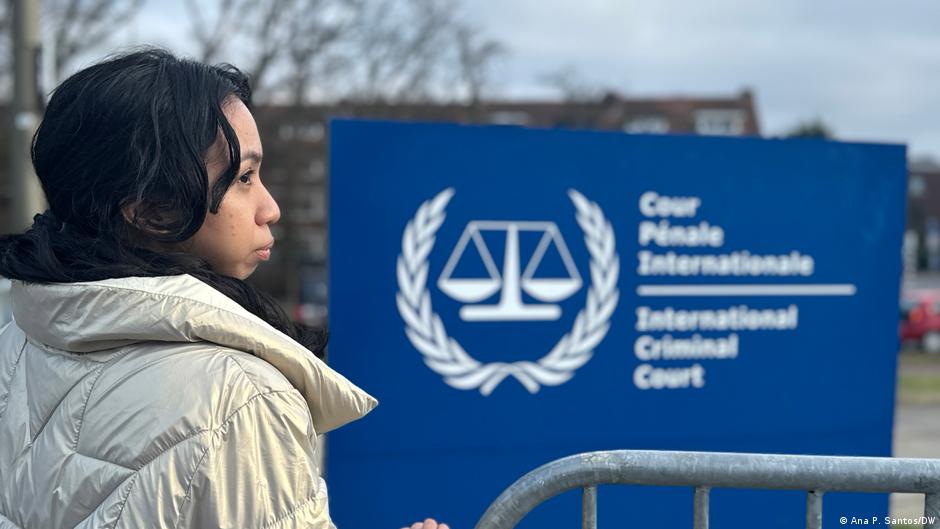
On Wednesday, April 22, 2026, the Appeals Chamber of the International Criminal Court confirmed its jurisdiction to hear the case against former Philippine President Rodrigo Duterte, rejecting his legal challenge to the court’s authority. The ruling means Duterte, now 81, remains subject to prosecution for alleged crimes against humanity linked to his controversial war on drugs during his tenure as mayor of Davao City and later as president.
The decision upholds an earlier ruling by the ICC’s Pre-Trial Chamber, which had determined that the court’s investigation into Duterte began while the Philippines was still a state party to the Rome Statute, the treaty that established the ICC. Although Manila formally withdrew from the ICC in March 2019, the Appeals Chamber found that the alleged offenses occurred during the country’s period of membership, thereby preserving the court’s jurisdictional basis.
Duterte’s legal team had argued that the ICC lacked authority because the Philippines is no longer bound by the Rome Statute. However, the Appeals Chamber dismissed all four grounds of appeal, affirming that the court may proceed with the case. Presiding Judge Luz del Carmen Ibáñez Carranza stated that the chamber had “rejected all four grounds of appeal” in the ruling delivered at The Hague.
The former president faces three counts of crimes against humanity, specifically related to the alleged killing of thousands of individuals during anti-drug operations conducted between 2013 and 2019. Prosecutors contend that these actions constituted a widespread or systematic attack against a civilian population, meeting the threshold for crimes against humanity under international law.
Duterte did not attend the hearing, with his legal representatives citing concerns about his mental fitness to participate. His absence was noted by the court, though proceedings continued in his absence as permitted under ICC procedural rules.
If the trial proceeds, it would mark the first time a former head of state from Asia is brought before the ICC. The case has drawn significant international attention due to its implications for the accountability of senior political figures and the reach of international justice beyond state withdrawals from the ICC’s founding treaty.
The Philippines’ withdrawal from the ICC in 2018 took effect one year later, in March 2019, following a notification submitted under Article 127 of the Rome Statute. Despite this, the ICC maintains that it retains jurisdiction over crimes committed by nationals of states that were parties to the Statute at the time the alleged offenses occurred.
Human rights groups have long called for accountability over the thousands of deaths attributed to Duterte’s anti-drug campaign, which began in earnest after he assumed the presidency in June 2016. While domestic legal efforts in the Philippines have largely stalled, the ICC case represents one of the few remaining avenues for potential international scrutiny.
The next step in the process will depend on whether the Pre-Trial Chamber proceeds to confirm the charges and issue an arrest warrant or summons to appear. As of the date of the ruling, no such step had been taken, and the court has not announced a date for any subsequent hearing.
For ongoing updates on the ICC proceedings against Rodrigo Duterte, readers are encouraged to consult the official website of the International Criminal Court.
If you found this article informative, please consider sharing it with others who may be interested in developments in international justice and accountability.