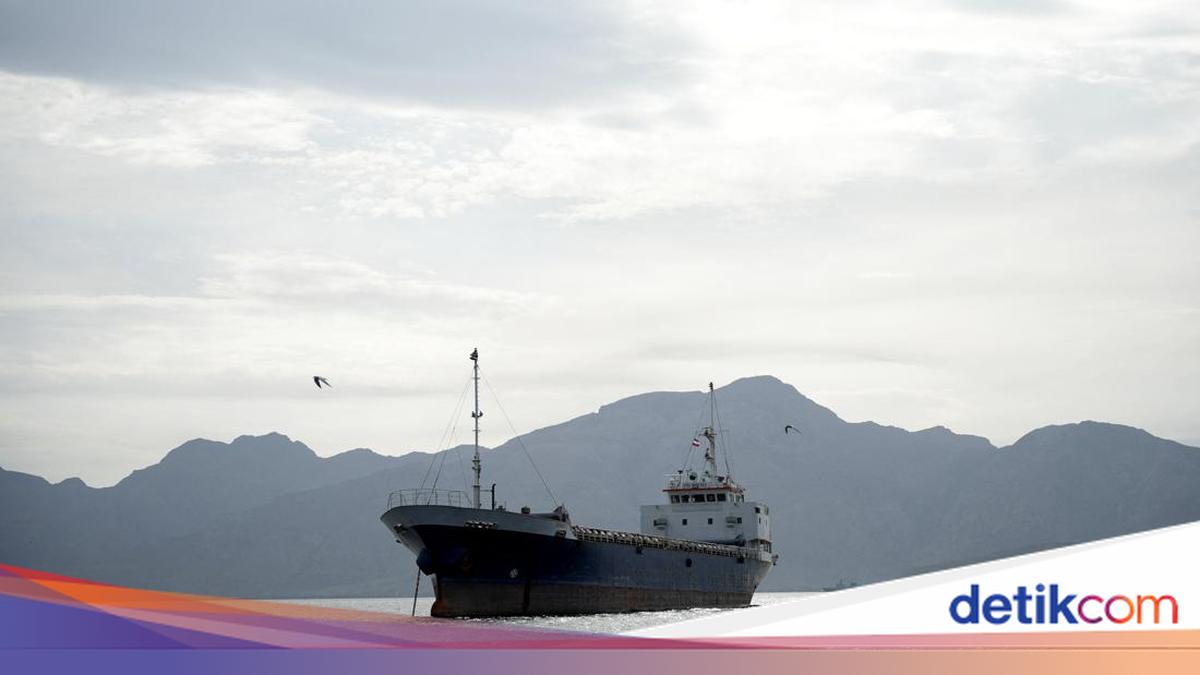
Tensions in one of the world’s most critical maritime chokepoints escalated sharply this weekend following a security incident involving a South Korean cargo vessel. The HMM Namu, a Panama-flagged ship, was struck by two unidentified aircraft while navigating the Strait of Hormuz, sparking immediate diplomatic friction between Seoul, Tehran, and Washington.
The incident, which occurred on Sunday, May 10, 2026, has reignited concerns over the safety of international shipping lanes in the Persian Gulf. According to the South Korean Ministry of Foreign Affairs, the vessel sustained physical damage and experienced onboard fires, prompting an urgent diplomatic response and calls for increased naval security in the region.
The attack on the South Korean cargo ship in the Strait of Hormuz comes at a time of heightened geopolitical instability, with the United States quickly attributing the strike to Iranian forces, while Tehran has categorically denied any involvement in the encounter.
Details of the Strike on the HMM Namu
The South Korean Ministry of Foreign Affairs provided specific details regarding the nature of the attack during a press conference. A spokesperson for the ministry, Park Il, stated that two unknown aircraft struck the outer plate of the port side ballast tank at the stern of the HMM Namu. The strikes occurred in rapid succession, with an interval of approximately one minute between the two impacts.
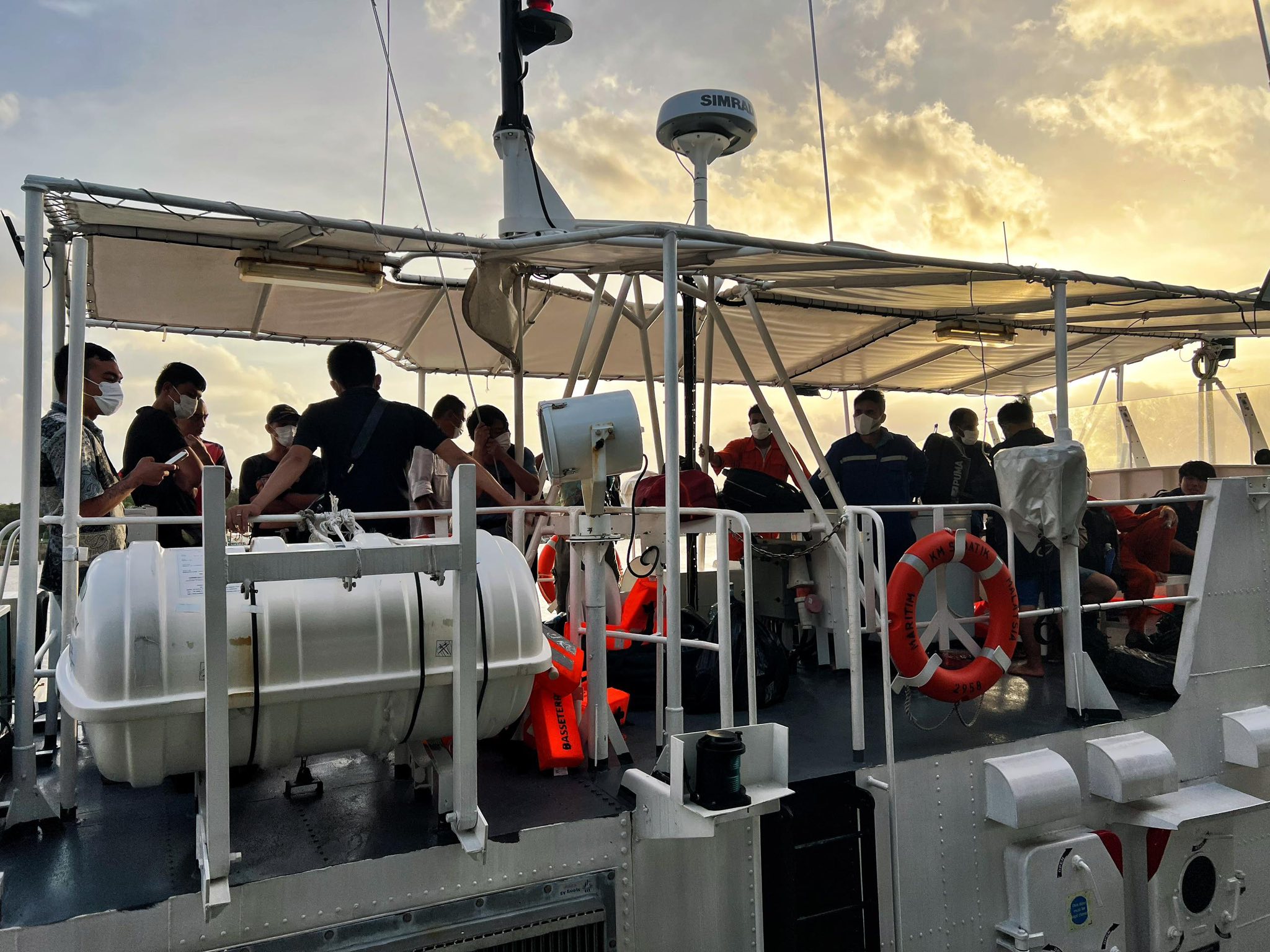
The collisions resulted in immediate fire and smoke on the vessel. While the ship’s crew managed the situation, the physical impact on the ballast tank—a critical component used for stability and trim—highlights the precision and severity of the strikes.
Ministry officials confirmed that the events were captured on the vessel’s CCTV system. However, Park Il noted that Notice significant limitations in identifying the exact nature of the objects involved. Specifically, the ministry has been unable to definitively determine the type of aircraft, their physical size, or the location from which they were launched, despite the available footage.
Diplomatic Fallout and Iranian Denial
The aftermath of the strike triggered a swift diplomatic escalation. The South Korean government summoned the Iranian Ambassador to Seoul to the Ministry of Foreign Affairs to demand an explanation and clarify Tehran’s position regarding the findings of the investigation.

In response, the Iranian government has issued a firm denial. The Embassy of the Islamic Republic of Iran to South Korea published a statement on its official website, asserting that it “firmly rejects and categorically denies any allegations regarding the involvement” of its military forces in the attack on the HMM Namu.
This clash of narratives reflects the deep-seated distrust characterizing current relations in the region. Seoul’s decision to summon the ambassador indicates that the South Korean government views the incident with extreme gravity, seeking accountability for the damage to its commercial interests and the safety of its seafarers.
U.S. Intervention and Strategic Pressure
The United States has taken a more aggressive stance on the incident. U.S. President Donald Trump claimed that Iran was responsible for “shooting” the Panama-flagged vessel, aligning the American position with the suspicion of Iranian aggression in the Strait.
Beyond the attribution, President Trump has used the incident to urge South Korea to intensify its security cooperation with the United States. The U.S. President called on Seoul to join American-led naval operations aimed at restoring and maintaining normal shipping traffic through the Strait of Hormuz.
For South Korea, this request places Seoul in a delicate position. While the nation relies heavily on the security of these waters for its energy imports, it must balance its security alliance with the U.S. Against the need to avoid unnecessary escalation with Iran, a significant regional power.
The Strategic Stakes of the Strait of Hormuz
To understand why a strike on a single cargo ship triggers such a massive diplomatic response, one must look at the geography of the Strait of Hormuz. This narrow waterway connects the Persian Gulf with the Gulf of Oman and the Arabian Sea, serving as the world’s most important oil transit chokepoint.
A significant portion of the world’s total oil consumption passes through this strait daily. Any disruption—whether through military conflict, mining, or targeted strikes on commercial shipping—has the potential to send global energy prices surging and destabilize international markets. For a resource-poor nation like South Korea, which depends on the Strait for a vast majority of its crude oil imports, maritime security in this region is not merely a diplomatic concern but a matter of national economic survival.
The use of “unknown aircraft” adds a layer of complexity to the security environment. The inability to immediately identify the attackers via CCTV suggests the use of advanced or stealthy platforms, increasing the perceived threat level for other commercial vessels operating in the area.
As the investigation continues, the international community remains focused on whether this was an isolated incident or the beginning of a broader campaign of maritime harassment. The stability of global trade depends largely on the ability of regional and global powers to maintain the freedom of navigation in these contested waters.
The next critical checkpoint will be the release of the formal investigation report from the South Korean Ministry of Foreign Affairs and the possible announcement of any joint naval patrols in the region. World Today Journal will continue to monitor official statements from Seoul and Washington for updates on the HMM Namu’s status and subsequent diplomatic maneuvers.
Do you believe increased naval coalitions are the answer to maritime security in the Persian Gulf, or will they further escalate regional tensions? Share your thoughts in the comments below.