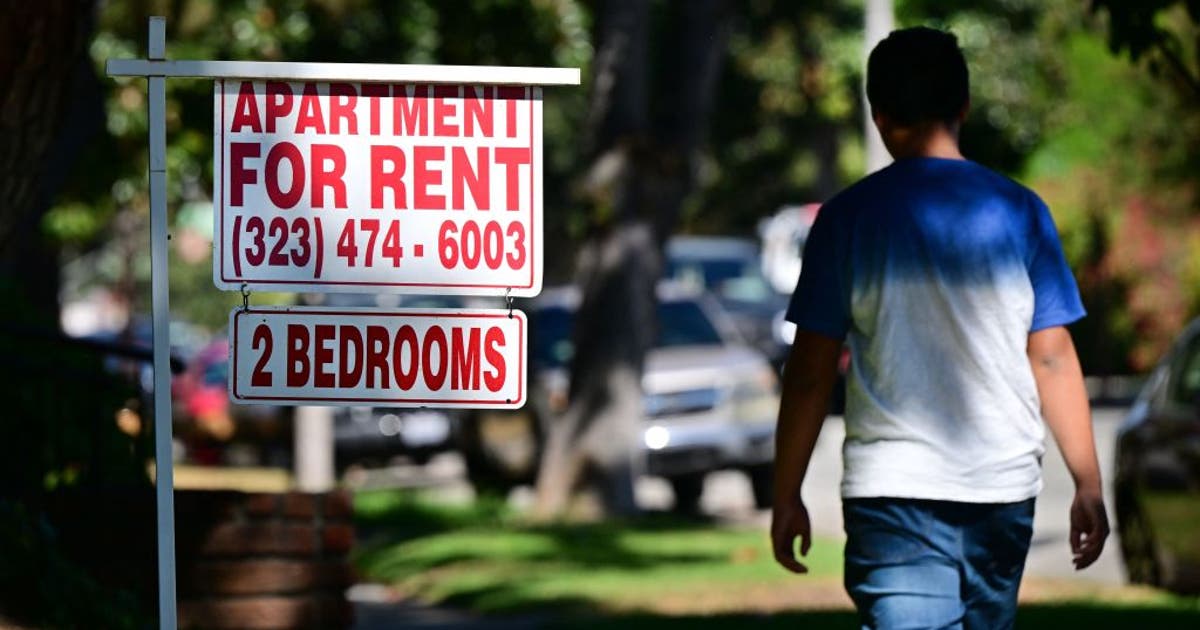
Los Angeles County has taken a significant step towards bolstering tenant protections, delaying eviction proceedings for renters in unincorporated areas who fall behind on rent. The move, approved by the County Board of Supervisors, extends the timeframe landlords must wait before initiating eviction to two months of unpaid rent, a change proponents say will provide crucial breathing room for families facing economic hardship. The decision comes amid ongoing concerns about housing affordability and stability in the region and reflects a broader national trend of increased tenant advocacy.
The amendment to the 2022 Rent Stabilization and Tenant Protections Ordinance, passed with a 4-1 vote, aims to address the growing financial pressures faced by many Los Angeles County residents. While the county already had some tenant protections in place, advocates argued that a one-month threshold was insufficient, particularly given rising costs of living and the lingering economic effects of recent years. The new ordinance seeks to strike a balance between protecting renters and ensuring landlords can maintain their properties, a point of contention highlighted during the board’s deliberations.
Understanding the New Eviction Threshold
Effective 30 days from the date of the vote, landlords in unincorporated Los Angeles County will be prohibited from beginning eviction proceedings until a tenant owes at least two months of rent based on fair market values. Currently, fair market rent values are set at $2,085 for a one-bedroom unit and $2,601 for a two-bedroom unit, according to information presented to the Board of Supervisors. This means a tenant renting a one-bedroom apartment, for example, would need to accrue $4,170 in unpaid rent before an eviction case could be filed.
The change is a direct response to concerns raised by tenant advocates and community organizations about the vulnerability of renters facing unexpected financial setbacks. Supporters of the ordinance emphasize that even a short delay in eviction proceedings can provide families with the time needed to access emergency rental assistance, secure employment, or resolve other financial challenges. The Los Angeles Tenants Union had initially pushed for a three-month threshold, arguing that it would offer even greater protection for renters, but ultimately supported the two-month compromise.
Dissenting Voice and Concerns for Landlords
Supervisor Kathryn Barger was the sole dissenting vote on the ordinance, expressing strong concerns about the potential impact on small property owners. She argued that the policy “disenfranchises” landlords who rely on rental income to cover their own expenses, including mortgage payments, insurance costs, and property maintenance. Barger warned that the extended wait for rent collection could lead to financial hardship for these landlords, potentially contributing to foreclosures and a reduction in the availability of rental housing.
These concerns are echoed by landlord advocacy groups, who argue that the ordinance unfairly shifts the financial burden onto property owners. They contend that the delay in eviction proceedings could exacerbate existing challenges in the rental market, such as rising operating costs and increased regulatory burdens. While acknowledging the need to protect tenants, these groups advocate for policies that provide financial assistance to both renters and landlords, rather than placing the entire responsibility on property owners.
Impact on Immigration Enforcement and Economic Strain
Supervisors Janice Hahn and Hilda Solis, co-sponsors of the ordinance, highlighted the role of recent economic strains, including the impact of federal immigration enforcement, in prompting the change. They argued that increased immigration enforcement has disrupted local workforces, leading to job losses and financial instability for many families. The extended eviction threshold is intended to provide a safety net for these vulnerable households, allowing them more time to recover from economic shocks.
Although, the direct link between federal immigration enforcement and increased evictions remains a subject of debate. While advocates acknowledge that immigration enforcement can create economic hardship for families, critics argue that the ordinance is an overreach that fails to address the root causes of housing instability. They suggest that more comprehensive solutions, such as increased affordable housing development and job training programs, are needed to address the underlying issues.
Broader Context: Rent Stabilization and Tenant Protections in LA County
The amended eviction threshold is just one component of a broader effort to strengthen rent stabilization and tenant protections in Los Angeles County. In 2022, the Board of Supervisors approved the Rent Stabilization and Tenant Protections Ordinance (RSTPO), which limits annual rent increases for eligible properties and provides just-cause eviction protections. The RSTPO applies to unincorporated areas of the county and aims to stabilize rents and prevent displacement of long-term residents.
The Rent Stabilization Program, overseen by the Department of Consumer and Business Affairs (DCBA), enforces the RSTPO and the Mobilehome Rent Stabilization and Mobilehome Owner Protections Ordinance (MRSMOPO). The program also oversees the Rental Housing Oversight Commission (RHOC), which resolves appeals related to the ordinances. Rent increases are capped annually, with different percentages applying to rent-stabilized units, small property landlords, and luxury units. As of July 1, 2025, the maximum allowable rent increase for general units is 1.930%, for small property landlords it is 2.930%, and for luxury units it is 3.930%.
Looking Ahead: Potential for County-Wide Expansion
While the current ordinance applies only to unincorporated areas of Los Angeles County, there is ongoing discussion about expanding the protections to incorporated cities. The Los Angeles Tenants Union has advocated for a county-wide expansion, arguing that consistent tenant protections are needed across the entire region. However, efforts to achieve this goal have faced resistance from some city officials and landlord groups, who argue that local control over housing policies is essential.
Supervisor Lindsey Horvath previously proposed a broader expansion of tenant protections, but the proposal failed to gain traction with the Board of Supervisors. It remains uncertain whether the board will revisit the issue in the future, but the debate is likely to continue as housing affordability and tenant rights remain pressing concerns in Los Angeles County.
Resources for Renters and Landlords
For renters in unincorporated parts of Los Angeles County seeking to verify their status and understand their rights, the county’s district map provides a valuable resource. This map allows residents to determine whether the new eviction threshold applies to their rental unit.
Landlords concerned about their ability to meet mortgage obligations or navigate the new regulations are encouraged to contact the Los Angeles County Department of Consumer and Business Affairs (DCBA) to explore available resources and assistance programs. The DCBA offers a range of services, including information on rent stabilization, tenant mediation, and financial assistance for property owners.
The ordinance is scheduled to officially become law in mid-April 2026. Local housing agencies are expected to closely monitor the impact of the change on homelessness rates and housing availability in unincorporated areas. Landlord advocacy groups are likely to continue lobbying for financial relief or subsidies to offset the delayed rent payments.
As Los Angeles County continues to grapple with the challenges of housing affordability and tenant protections, this latest ordinance represents a significant step towards creating a more equitable and stable rental market. The long-term effects of the change remain to be seen, but the debate over tenant rights and landlord responsibilities will continue to shape the future of housing in the region.
We encourage readers to share their thoughts and experiences with the new ordinance in the comments below. Your feedback is valuable as we continue to cover this important issue.
Keep reading