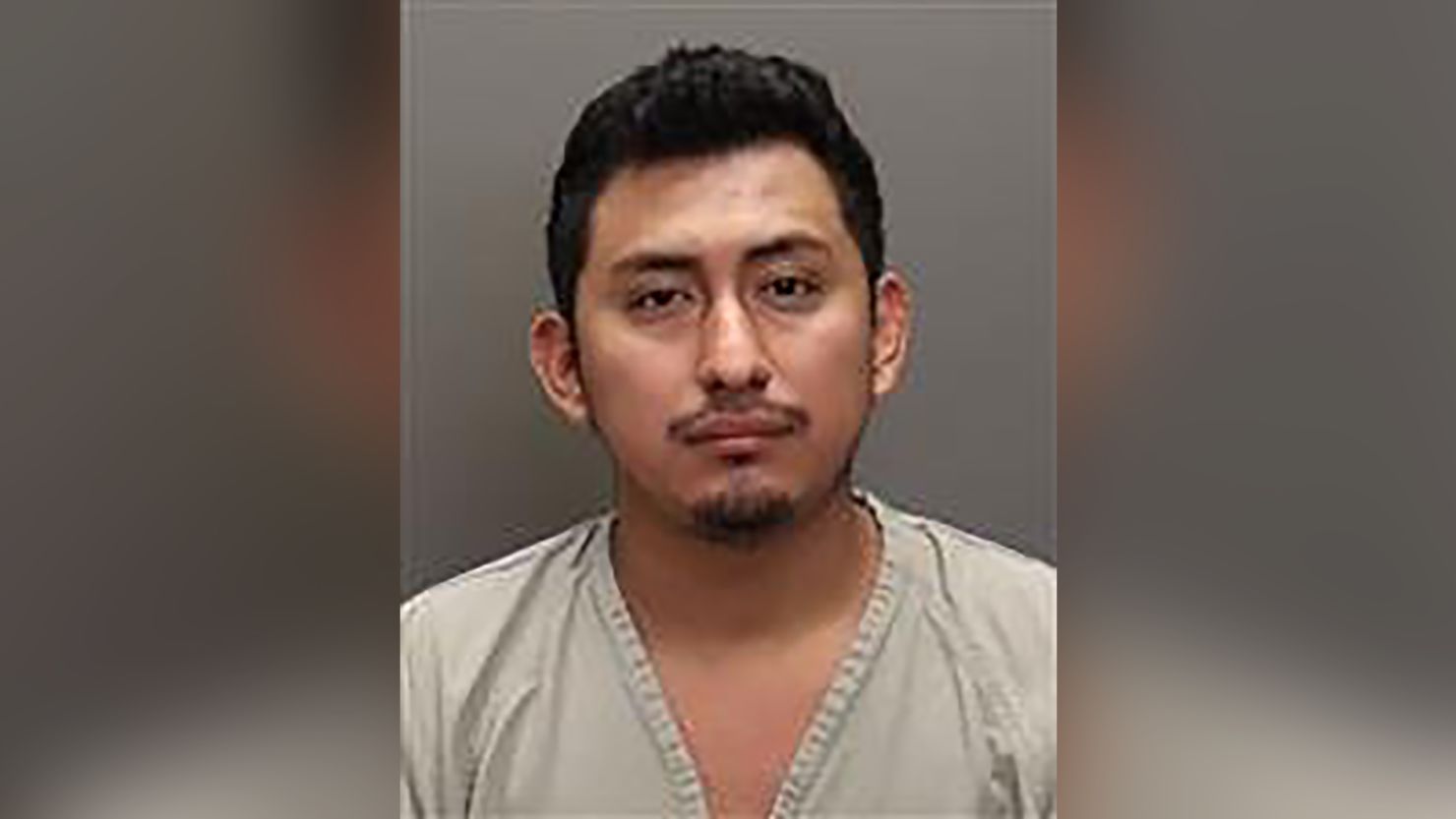
On July 15, 2022, a YouTube video titled “This is the man accused of raping and impregnating a 10-year-old” began circulating online, drawing attention to a case in Ohio involving a 10-year-old girl who became pregnant after being sexually assaulted. The video, which has since garnered over 1.5 million views, focuses on Gershon Fuentes, a 27-year-old man accused of raping the minor and impregnating her, prompting her to travel across state lines to Indiana to obtain an abortion after Ohio law prohibited the procedure.
The case gained national and international attention after President Joe Biden referenced it during a White House speech following the U.S. Supreme Court’s decision to overturn Roe v. Wade on June 24, 2022. Biden criticized Ohio’s near-total abortion ban, which took effect shortly after the ruling and made no exceptions for victims of rape or incest, saying, “Imagine being that 10-year-old.” The statement sparked both support and backlash, with Ohio Attorney General Dave Yost and Republican Congressman Jim Jordan publicly questioning the veracity of the story.
According to court records and reporting from BBC Mundo, Gershon Fuentes appeared before a judge in Columbus, Ohio, on July 13, 2022, where he was formally charged with rape. He remained in custody pending trial. The BBC report confirmed that Fuentes, a 27-year-old man, was accused of sexually assaulting the unidentified 10-year-old girl, resulting in her pregnancy. The girl’s family sought medical care in Indiana after Ohio healthcare providers refused to perform an abortion due to the state’s newly enacted law banning abortions after approximately six weeks of gestation, with no exceptions for rape or incest.
The Ohio law in question, Senate Bill 23, known as the “Heartbeat Bill,” prohibits abortions once cardiac activity is detectable in the embryo, typically around six weeks of pregnancy — often before many individuals realize they are pregnant. The law took immediate effect following the Supreme Court’s decision in Dobbs v. Jackson Women’s Health Organization, which eliminated the federal constitutional right to abortion. Senate Bill 23 includes no exemptions for pregnancies resulting from rape or incest, a provision that drew widespread condemnation from medical professionals and human rights organizations.
In Indiana, where the girl received care, abortion remained legal at the time up to 22 weeks of pregnancy, with certain restrictions. Indiana law requires parental consent for minors seeking abortion, though judicial bypass options exist. The girl was able to obtain the procedure in Indianapolis after crossing state lines, a journey that underscored the real-world impact of restrictive abortion laws on vulnerable populations, particularly child victims of sexual abuse.
The case intensified debates over reproductive rights, child protection, and the criminal justice system’s response to sexual violence against minors. Advocacy groups such as the Children’s Defense Fund and the Ohio Alliance to End Sexual Violence pointed to the incident as evidence that abortion bans without exceptions endanger the lives and health of young survivors. Conversely, anti-abortion organizations maintained that the focus should remain on prosecuting the perpetrator rather than permitting abortion, arguing that both the victim and the unborn child deserve protection.
As of the available public records, Gershon Fuentes has not yet stood trial. No verified sentencing date has been established in accessible court databases or official announcements from the Franklin County Court of Common Pleas. The case remains pending, with legal proceedings likely delayed due to standard pretrial processes, including discovery, motions, and potential plea negotiations.
This incident continues to be cited in national discussions about the intersection of abortion access and sexual violence, particularly in the context of state-level trigger laws enacted after the Dobbs decision. It as well highlights the challenges faced by minors who become pregnant as a result of abuse, including barriers to healthcare, trauma, and legal complexity.
For updates on the case, readers may consult the Franklin County Court of Common Pleas docket or official statements from the Columbus Division of Police, though no recent public updates have been released as of early 2026. The YouTube video referenced in the original Telemundo report remains available online, though its title and framing should be evaluated critically in light of verified facts from judicial and journalistic sources.
What do you think about how cases like this are covered in the media? Share your perspective in the comments below, and consider sharing this article to help others stay informed with accurate, verified information.
Worth a look