
Hope on the Horizon: Korean Blood Cancer Association Event Offers Support for Liver Cancer Patients
SEOUL — In a country where liver cancer remains a leading cause of cancer-related deaths, a beacon of hope is emerging for patients and their families. The Korean Blood Cancer Association (KBCA) is set to host an educational and support event this May, focusing on liver cancer—particularly hepatocellular carcinoma (HCC), the most common form of the disease. The event aims to raise awareness, provide the latest medical insights, and foster a sense of community among those affected by this often silent but devastating illness.
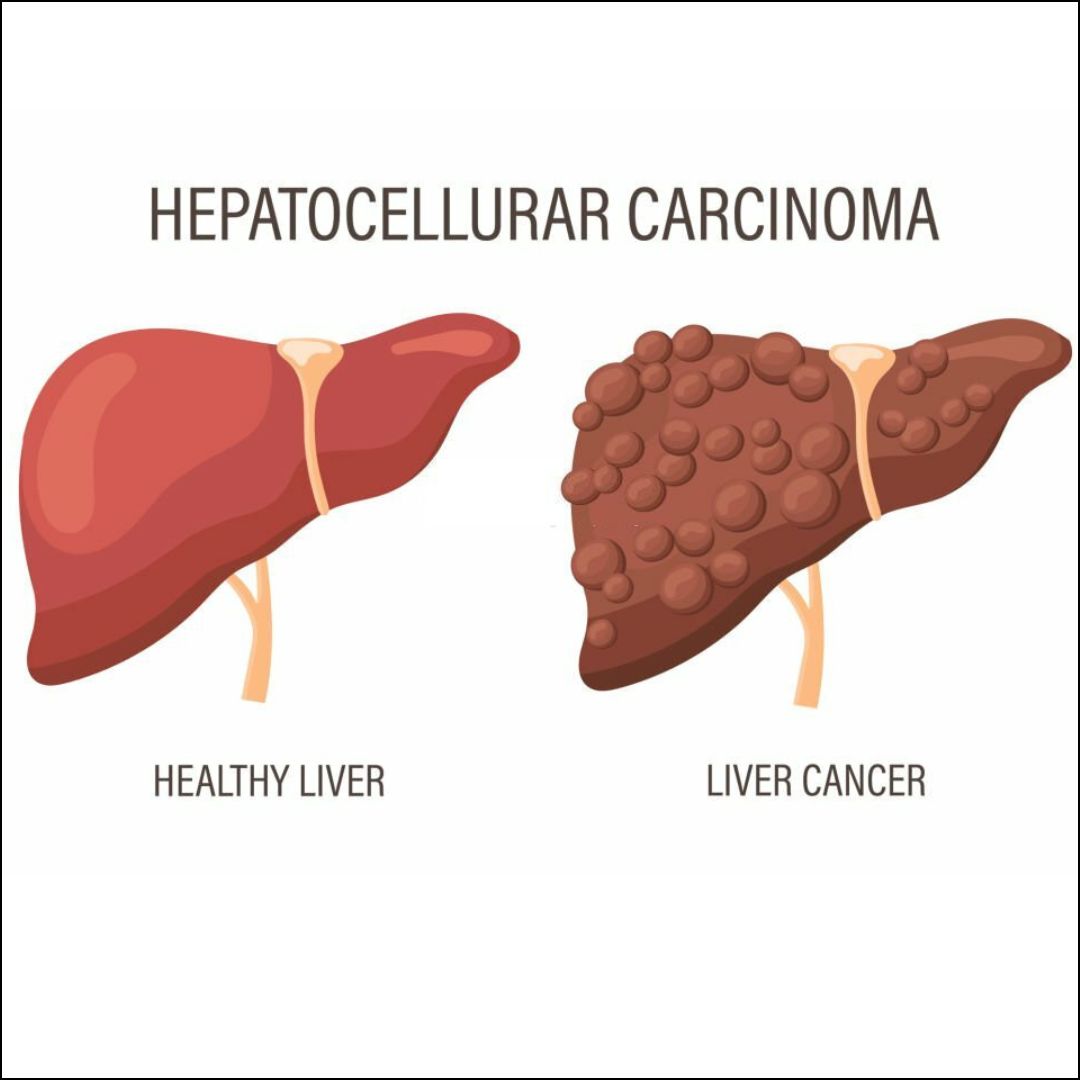
Liver cancer, or hepatocellular carcinoma, originates in the liver’s primary cells, known as hepatocytes. It is the sixth most common cancer worldwide and the third leading cause of cancer deaths, according to the World Health Organization (WHO). In South Korea, where chronic hepatitis B and C infections remain prevalent, liver cancer is a particularly pressing public health issue. The KBCA’s upcoming event seeks to address this challenge by equipping patients, caregivers, and healthcare providers with critical information and resources.
“Liver cancer often progresses quietly, with symptoms appearing only in later stages,” explains Dr. Min-Jae Park, a hepatologist at Seoul National University Hospital and a speaker at the event. “Early detection and education are key to improving outcomes, and that’s what this event is all about.”
The Burden of Liver Cancer in South Korea
Liver cancer is deeply intertwined with South Korea’s public health landscape. The country has one of the highest rates of hepatitis B virus (HBV) infection in the world, a leading risk factor for liver cancer. While vaccination programs have significantly reduced new HBV infections, chronic carriers—many of whom were infected at birth or in early childhood—remain at elevated risk. Hepatitis C virus (HCV), though less common, is another major contributor, particularly among older adults.
According to data from the Korea Central Cancer Registry, liver cancer accounted for approximately 12,000 new cases and 10,000 deaths in South Korea in 2022. The disease disproportionately affects men, who are nearly three times more likely to develop liver cancer than women. Chronic alcohol consumption, non-alcoholic fatty liver disease (NAFLD), and cirrhosis—often a precursor to liver cancer—further compound the risk.
“The good news is that liver cancer is largely preventable,” says Dr. Park. “Vaccination against hepatitis B, antiviral treatments for chronic hepatitis, and lifestyle modifications can dramatically reduce the risk. For those already diagnosed, advances in treatment—such as targeted therapies and immunotherapy—are offering new hope.”
What to Expect at the KBCA Event
The KBCA’s event, titled “Hope for Liver Cancer: Advances in Treatment and Support”, will take place on May 15, 2026, at the Seoul Global Center in Jung-gu. The half-day program is designed to be accessible to patients, caregivers, and healthcare professionals alike, with sessions conducted in Korean and English to accommodate international attendees. Registration is free and can be completed through the KBCA’s official website.

Key highlights of the event include:
- Latest Treatment Options: A presentation by Dr. Park on emerging therapies for hepatocellular carcinoma, including immune checkpoint inhibitors and tyrosine kinase inhibitors (TKIs), which have shown promise in extending survival rates for advanced-stage patients.
- Living with Liver Cancer: A panel discussion featuring survivors, caregivers, and mental health professionals, focusing on the emotional and psychological challenges of a liver cancer diagnosis.
- Prevention and Early Detection: A session led by Dr. Soo-Jin Cho, a public health expert, on the importance of regular screenings for high-risk individuals, including those with chronic hepatitis or cirrhosis.
- Support Resources: An overview of financial assistance programs, clinical trial opportunities, and community support groups available to liver cancer patients in South Korea.
“This event is about more than just medical information,” says Kim Ji-eun, a spokesperson for the KBCA. “It’s about building a community where patients and families don’t feel alone in their journey. We want to empower them with knowledge and hope.”
Breaking Down the Risk Factors
Liver cancer’s development is closely linked to underlying liver disease. The most significant risk factors include:
- Chronic Hepatitis B and C: These viral infections are responsible for up to 80% of liver cancer cases worldwide, according to the WHO. Chronic HBV infection, in particular, increases the risk of liver cancer by up to 100 times compared to uninfected individuals. While there is no vaccine for hepatitis C, antiviral treatments can cure the infection in over 95% of cases, significantly reducing cancer risk.
- Cirrhosis: Scarring of the liver, often caused by chronic alcohol use, hepatitis, or fatty liver disease, is a major precursor to liver cancer. Patients with cirrhosis are advised to undergo regular screenings, typically every six months, to detect cancer early.
- Non-Alcoholic Fatty Liver Disease (NAFLD): With rising obesity rates, NAFLD has become a growing concern. While not all cases progress to cancer, severe forms of the disease can lead to cirrhosis and, liver cancer.
- Alcohol Consumption: Heavy, long-term alcohol use damages the liver and increases cancer risk. The American Cancer Society recommends limiting alcohol intake to reduce this risk.
- Other Factors: Diabetes, smoking, and exposure to aflatoxins—toxins produced by certain molds found in contaminated food—can also contribute to liver cancer development.
Advances in Treatment: A New Era of Hope
For decades, liver cancer treatment options were limited, particularly for patients with advanced disease. However, recent years have seen significant progress in therapeutic approaches, offering renewed hope for patients and clinicians alike.
1. Surgical Interventions: For early-stage liver cancer, surgical resection or liver transplantation remains the gold standard. South Korea is a global leader in liver transplantation, with survival rates exceeding 90% at one year post-transplant, according to the Korean Network for Organ Sharing.
2. Locoregional Therapies: For patients who are not candidates for surgery, procedures such as radiofrequency ablation (RFA) and transarterial chemoembolization (TACE) can effectively destroy tumors while preserving healthy liver tissue. These treatments are particularly valuable for patients with tiny tumors or those awaiting transplantation.
3. Systemic Therapies: The introduction of sorafenib, the first targeted therapy for advanced liver cancer, marked a turning point in treatment. Since then, several new drugs—including lenvatinib, regorafenib, and cabozantinib—have been approved, offering additional options for patients who progress on first-line therapy. Immunotherapy, particularly atezolizumab combined with bevacizumab, has also shown remarkable efficacy, with clinical trials demonstrating improved survival rates compared to traditional treatments.
4. Clinical Trials: South Korea is at the forefront of liver cancer research, with numerous clinical trials underway exploring novel therapies. The KBCA event will provide information on how patients can participate in these trials, which may offer access to cutting-edge treatments not yet widely available.
Global Perspectives: How South Korea Compares
South Korea’s approach to liver cancer prevention and treatment stands out on the global stage. The country’s national hepatitis B vaccination program, launched in 1995, has dramatically reduced new infections among children and young adults. The incidence of liver cancer in younger populations has declined, though the disease remains prevalent among older adults with long-standing infections.

In contrast, countries like Mongolia and parts of sub-Saharan Africa, where hepatitis B is endemic and vaccination rates are lower, continue to grapple with high liver cancer rates. The WHO has set a goal to eliminate viral hepatitis as a public health threat by 2030, with South Korea serving as a model for other nations.
“South Korea’s success in reducing liver cancer incidence among younger generations is a testament to the power of vaccination and public health initiatives,” says Dr. Park. “However, we still have work to do in managing chronic infections and improving access to care for all patients.”
Key Takeaways for Patients and Caregivers
For those affected by liver cancer, the KBCA event offers an opportunity to learn, connect, and take proactive steps toward better health. Here are some key takeaways to keep in mind:
- Know Your Risk: If you have chronic hepatitis B or C, cirrhosis, or a family history of liver cancer, talk to your doctor about regular screenings. Early detection can save lives.
- Explore Treatment Options: Liver cancer treatment is highly individualized. Work with your healthcare team to explore all available options, including clinical trials.
- Seek Support: A cancer diagnosis can be overwhelming. Support groups, counseling, and financial assistance programs can provide much-needed relief.
- Advocate for Yourself: Don’t hesitate to request questions, seek second opinions, or request referrals to specialists. Your health is your priority.
- Stay Informed: Medical research is advancing rapidly. Stay up-to-date on the latest developments by following reputable sources like the American Cancer Society and the WHO.
Looking Ahead: The Future of Liver Cancer Care
The fight against liver cancer is far from over, but there are reasons for optimism. Research into biomarkers for early detection, personalized medicine, and combination therapies is yielding promising results. In South Korea, efforts are underway to expand access to screening programs, particularly for high-risk populations, and to integrate liver cancer care into the country’s robust healthcare system.
For patients and families, events like the one hosted by the KBCA serve as a reminder that they are not alone. “Knowledge is power,” says Kim Ji-eun. “By coming together, we can turn the tide against liver cancer and offer hope to those who necessitate it most.”
The next official update from the KBCA is expected following the event on May 15, with a summary of key takeaways and resources shared on their website. For those unable to attend, the KBCA plans to craft recordings of the sessions available online.
Have you or a loved one been affected by liver cancer? Share your story in the comments below, and don’t forget to share this article to spread awareness and hope.