
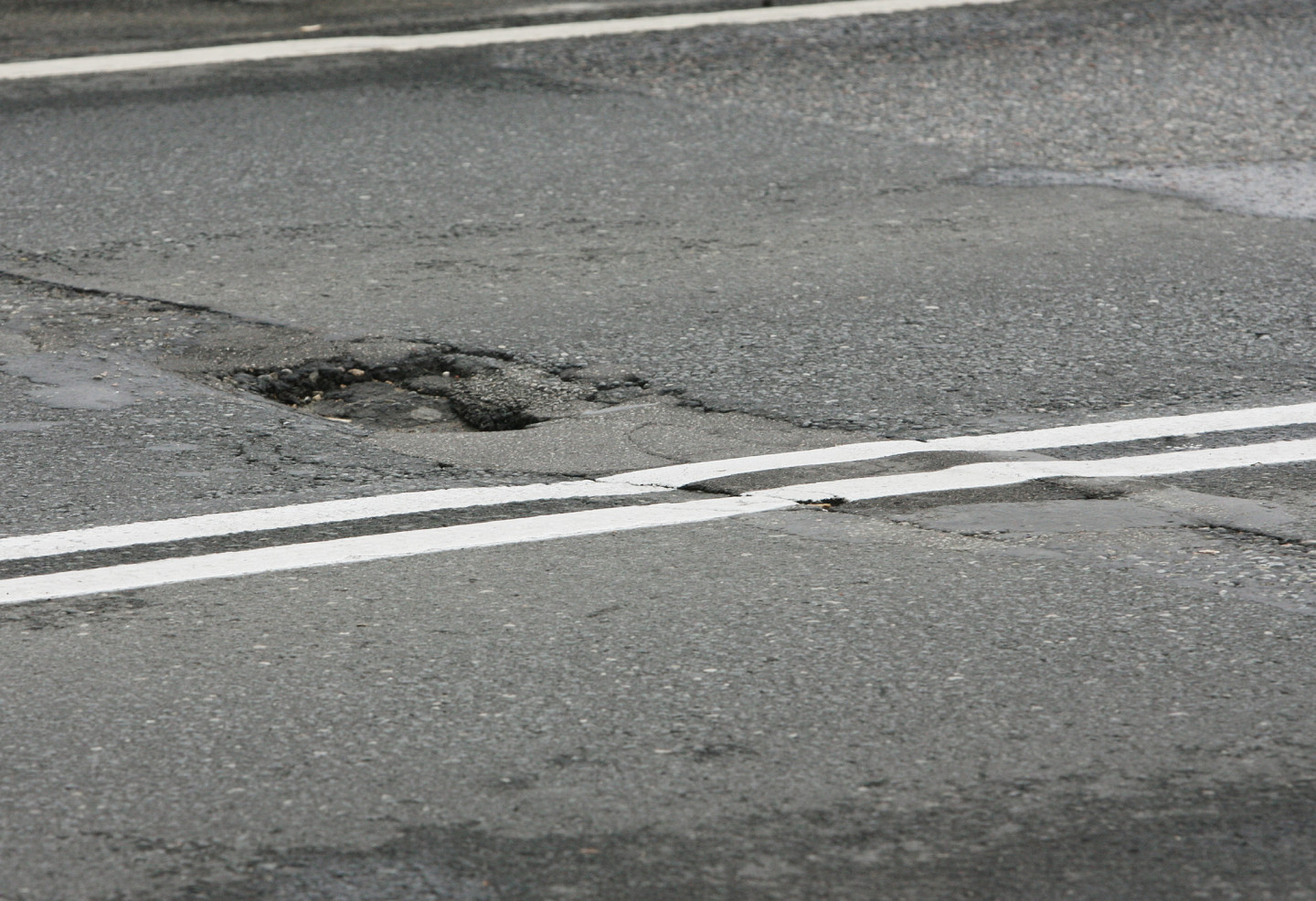
Latvia’s state road agency, Latvijas Valsts ceļi (LVC), is prioritizing road repair projects based on safety risks rather than available funding, according to recent statements from its leadership. Chairman Mārtiņš Lazdovskis confirmed in an April 2026 interview that the agency is sequencing works in batches where road conditions pose the greatest threat to drivability, even as budget constraints force delays or cancellations of other planned projects. This approach reflects a shift toward risk-based asset management amid ongoing financial pressures affecting infrastructure maintenance across the Baltic region.
The strategy comes as LVC faces rising costs that have made it necessary to scale back or postpone multiple initiatives outlined in its annual investment plan. Lazdovskis emphasized in September 2021 that continuous improvement remains a core objective, stating that “in any organisation or company there is always room for improving operations,” a sentiment reiterated in more recent communications about optimizing workflows and focusing on results-driven collaboration. These comments were made during interviews with Latvian trade publications focused on transportation and infrastructure policy.
Despite fiscal limitations, LVC continues to engage stakeholders through regular industry forums, including the annual national roads conference, where updates on maintenance schedules, technical standards, and long-term planning are shared with contractors, municipal representatives, and transport sector professionals. The agency maintains that safety-critical interventions—such as resurfacing high-risk sections, repairing bridges, and improving drainage on flood-prone routes—will take precedence over cosmetic or expansion-related works when allocating limited resources.
Officials have not disclosed a definitive list of which specific road segments will be repaired in the current batching cycle, nor have they published a public timeline for when lower-priority projects might resume. However, the agency has consistently affirmed that decisions are guided by technical assessments of road surface integrity, accident data, and traffic volume metrics, particularly on regional connectors that link rural communities to national highways.
As of April 2026, no new funding announcements or legislative changes affecting LVC’s budget have been verified through official government channels. The agency continues to operate under the framework established by Latvia’s Ministry of Transport, which oversees national road infrastructure investment and sets strategic priorities for maintenance and development.
For the most accurate and up-to-date information on LVC’s current projects, procurement notices, or service disruptions, the public is encouraged to consult the agency’s official website and official social media channels, where updates are posted in accordance with national public procurement laws and transparency requirements.
Readers are invited to share their experiences with road conditions in Latvia or comment on infrastructure priorities in the comments section below. Sharing this article helps inform broader discussions about public investment in transportation safety and regional connectivity.