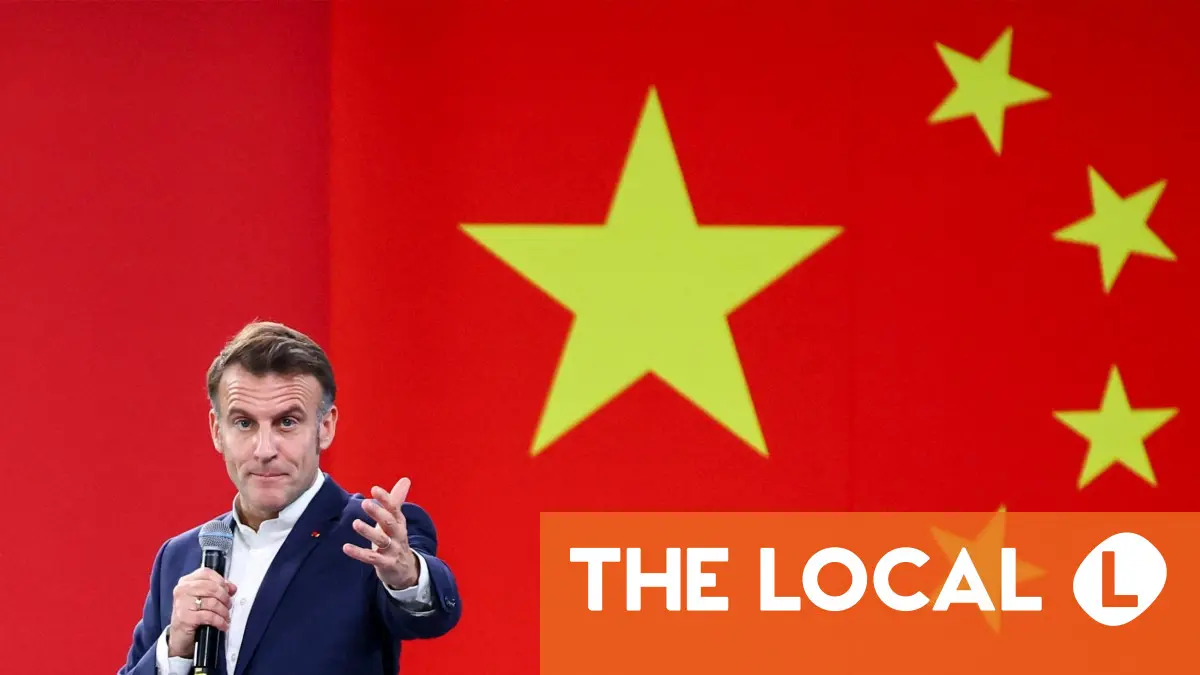
Macron Issues Tariff threat to China Amidst Growing EU Trade Imbalance
Is Europe poised to escalate trade tensions with China? French President Emmanuel Macron has signaled a willingness to impose tariffs on Chinese goods if Beijing doesn’t address the ballooning trade surplus with the European Union. This move, revealed in remarks to Les Echos following a recent state visit to China, underscores growing anxieties within Europe about unfair trade practices and the future of its industrial base.
The Scale of the Imbalance
The EU’s trade deficit with China reached over €300 billion ($350 billion) in 2024. This massive imbalance isn’t simply a matter of economics; Macron frames it as an existential threat to European industry. He argues China is strategically targeting key sectors – machine tools and the automotive industry - vital to Europe’s innovation and economic strength.
Echoes of US Trade Policy
Macron’s warning isn’t empty rhetoric. He explicitly referenced the possibility of mirroring the United states’ approach, including the implementation of tariffs on Chinese products. the US,under the previous administration,levied tariffs of up to 57% (later reduced to 47% through a trade deal) on Chinese imports.
Though, implementing such measures isn’t straightforward. The EU’s trade policy is centralized, meaning individual member states cannot independently impose tariffs. The European Commission represents all 27 member nations in trade negotiations.
Internal EU Divisions
achieving consensus within the EU is proving challenging. macron acknowledged that Germany, a major economic power with meaningful investments in China, isn’t fully aligned with his position. This internal division highlights the complex geopolitical considerations at play.
* Germany’s Position: Strong economic ties with China make Germany hesitant to adopt aggressive trade measures.
* France’s Concerns: France prioritizes protecting its industrial base and fostering European economic sovereignty.
* EU Commission‘s Role: The Commission must navigate these differing viewpoints to formulate a unified trade strategy.
The Ripple effect of US-China Trade War
The US-China trade war has inadvertently exacerbated the problem for Europe. As the US imposed tariffs, China redirected substantial volumes of goods originally intended for the American market towards Europe. This influx of Chinese products further widened the trade deficit and intensified competitive pressures on European manufacturers.
“We are caught in the middle today,” Macron stated, emphasizing the urgency of the situation. “This is a question of life and death for European industry.”
A Two-Pronged Approach: Protection & Investment
macron proposes a dual strategy to address the trade imbalance:
- Protectionist Measures: Safeguarding vulnerable sectors, particularly the automotive industry, from unfair competition.
- Increased Chinese Investment: Encouraging greater Chinese direct investment in Europe.
Though, Macron cautioned that Chinese investment must be carefully managed.He stressed the need to prevent Chinese companies from operating as “predators” with “hegemonic objectives.” He advocates for a balanced approach that promotes mutually beneficial economic relationships.
Looking Ahead: A Critical Juncture for EU-China Relations
The coming months will be crucial. Macron has effectively issued an ultimatum to China. The EU’s response will significantly shape the future of its economic relationship with the world’s second-largest economy. The stakes are high, with the potential for escalating trade tensions or a recalibration towards a more balanced and lasting partnership.
evergreen Insights: The Future of Global Trade
The current situation between the EU and China is symptomatic of broader trends reshaping global trade.
* Reshoring & Nearshoring: Companies are increasingly re-evaluating their supply chains, bringing production closer to home (reshoring) or to neighboring countries (nearshoring) to reduce risks and enhance resilience.
* Geopolitical fragmentation: Rising geopolitical tensions are leading to a fragmentation of the global trading system, with the emergence of regional trade blocs and a decline in multilateral cooperation.
* The Rise of Industrial Policy: Governments are actively intervening in the economy through industrial policies aimed at promoting strategic industries and fostering innovation.
* Focus on Strategic Autonomy: Europe, in particular, is prioritizing “strategic autonomy” – the ability to act independently in key areas such as technology, defense, and trade.
These trends suggest that the era of unfettered globalization is coming to an end, and a new era of more selective and strategic trade is dawning.
FAQ: macron, China, and EU Trade
**
Keep reading