
Mayor Mamdani Vetoes Controversial Buffer Zone Bill Targeting School Protests
New York City Mayor Zohran Mamdani has vetoed a City Council bill that would have established security buffer zones around schools and educational facilities, citing concerns over constitutional rights and free speech protections. The decision comes after intense pressure from labor unions, civil liberties groups, and community organizations who argued the legislation would disproportionately impact peaceful protest activities near schools.
The vetoed measure, formally known as Int. 175-B, was one of two buffer zone bills passed by the City Council last month. The other bill, which applies to houses of worship, remains under review by the mayor’s office. Mamdani’s rejection of the school-focused bill marks a significant moment in the ongoing debate over public safety measures versus First Amendment rights in New York City.
According to verified reports, Mamdani acted just hours before the deadline to either sign or veto the legislation. His office stated that the mayor “weighed these concerns seriously” before making a final determination, referencing feedback from multiple stakeholders including union leaders and legal experts.
The legislation had proposed creating designated zones where protest activity would be restricted within a certain distance of school entrances during school hours. Supporters argued it was necessary to ensure student safety and prevent disruptions, while opponents warned it could be used to suppress legitimate dissent and organizing efforts, particularly those related to labor rights and social justice causes.
Labor Unions and Advocacy Groups Mobilize Against Buffer Zones
In the days leading up to the veto, representatives from more than a half-dozen unions met with Deputy Mayor for Economic Justice Julie Su’s office to urge Mamdani to reject the bill. The New York City Central Labor Council was among the organizations participating in these discussions, which were described as part of a broader pressure campaign to protect what activists call fundamental democratic freedoms.
A letter signed by several labor and community groups characterized the buffer zone proposal as a “radical overreach” that limits free speech and endangers New Yorkers’ ability to assemble peacefully. The correspondence emphasized that such restrictions could disproportionately affect marginalized communities attempting to advocate for change near educational institutions.
City Hall press secretary Joe Calvello confirmed in a statement that Mamdani is aware of the concerns raised regarding Int. 175-B’s potential impact on constitutional and labor rights. “The Mayor will weigh these concerns seriously as he makes a final decision on this legislation,” Calvello said, reflecting the administration’s cautious approach to the contentious issue.
Jewish Leaders Express Concerns Over Veto Implications
The decision has also drawn attention from prominent Jewish elected officials who participated in a recent panel discussion at the 92nd Street Y. City Comptroller Mark Levine, City Council Speaker Julie Menin, and Manhattan Borough President Brad Hoylman-Sigal discussed the broader context of rising antisemitism in New York while evaluating Mamdani’s early tenure as mayor.
During the conversation, Levine acknowledged both the strength of the Jewish community in New York and the challenges posed by increasing hate crimes reported to the NYPD. While the panel did not directly address the buffer zone legislation, Menin and Hoylman-Sigal are viewed as potential mayoral contenders who are closely monitoring Mamdani’s policy decisions, including those related to public safety and civil liberties.
The discussion occurred amid the City Council’s “Five-Point Action Plan to Combat Antisemitism,” elements of which intersect with debates over how public spaces near institutions like schools and synagogues should be regulated. Officials have not indicated whether the veto affects related components of that initiative.
Legal and Constitutional Questions Surround Buffer Zone Policies
Legal experts note that buffer zone legislation around sensitive locations such as schools and places of worship raises complex questions about time, place, and manner restrictions on speech. While governments may impose reasonable limits to protect public safety, such measures must be narrowly tailored and content-neutral to withstand constitutional scrutiny under the First Amendment.
Similar laws have faced legal challenges in other jurisdictions, with courts often scrutinizing whether they leave open ample alternative channels for communication. In New York, the American Civil Liberties Union and other advocacy groups have historically opposed overly broad buffer zones that could impede lawful protest activity, particularly when tied to labor organizing or political expression.
The vetoed bill did not specify enforcement mechanisms or penalties for violations, leaving open questions about how it would have been implemented had it become law. Municipal authorities typically rely on police or school security personnel to monitor compliance with such zones, though concerns exist about potential discriminatory application.
What Happens Next for Protest Regulation in NYC Schools
With Int. 175-B now vetoed, the bill returns to the City Council, where leaders could attempt to override the mayor’s decision with a two-thirds majority vote. Such an override would require significant cross-party support and is considered unlikely given the current political dynamics and the breadth of opposition to the measure.
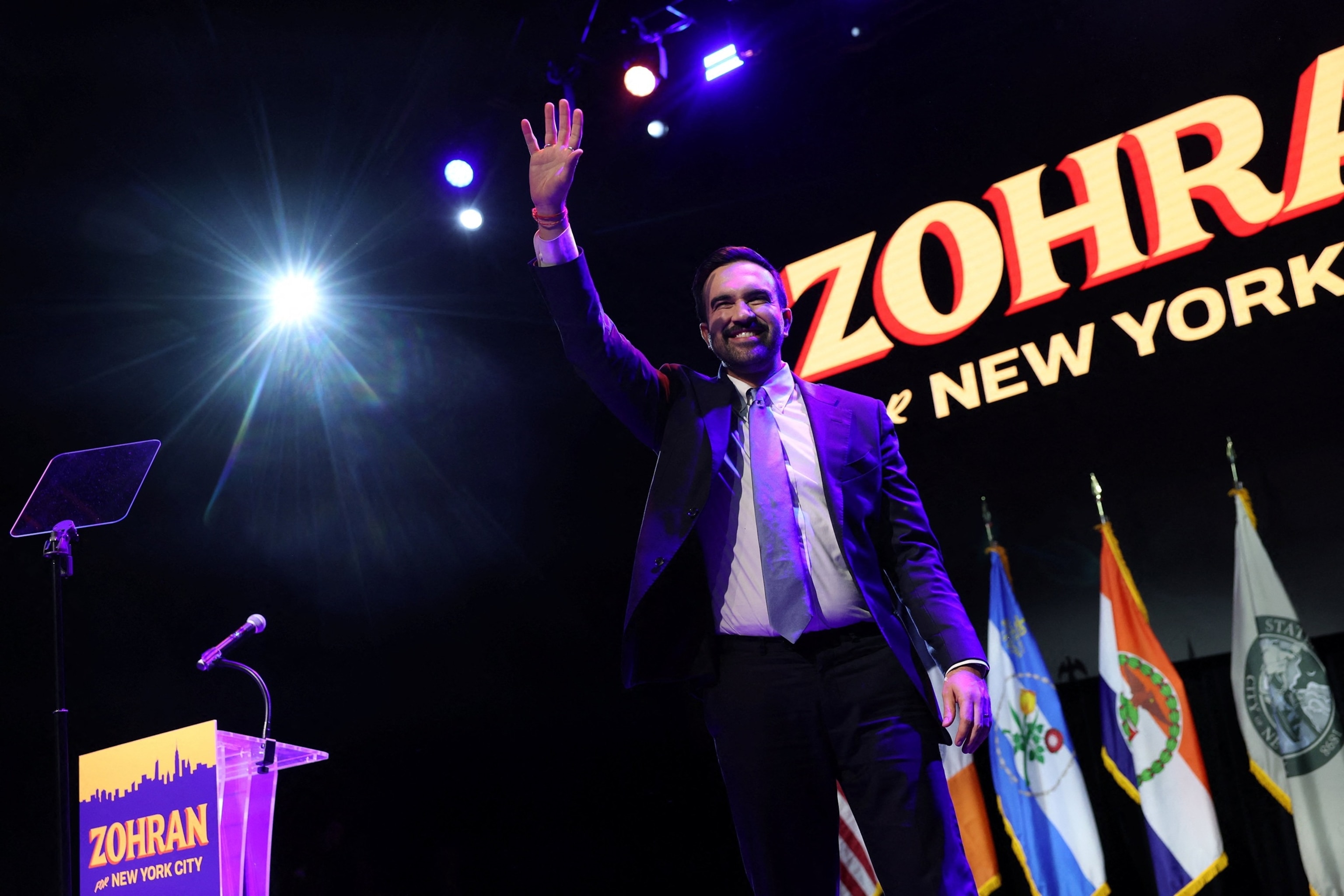
The companion bill applying to houses of worship remains pending before Mamdani, who has not indicated when he will develop a decision on that measure. Advocates on both sides of the issue continue to monitor developments, recognizing that any future regulation of protest activity near sensitive locations will need to balance safety concerns with robust protection for expressive rights.
Officials have not announced plans for alternative legislation or revised proposals addressing school safety and protest management. Community boards, parent-teacher associations, and student groups may be consulted in future discussions about maintaining secure learning environments without infringing on constitutional freedoms.
For updates on municipal legislation and mayoral actions, New Yorkers can track official proceedings through the NYC Council’s legislative tracker and the Mayor’s Office of Operations, which publishes timely notices regarding bill signings and vetoes.
We encourage readers to share their perspectives on this developing story. How should cities balance school safety with the right to protest? Join the conversation by commenting below and sharing this article with others interested in civil liberties and urban governance.
Keep reading