
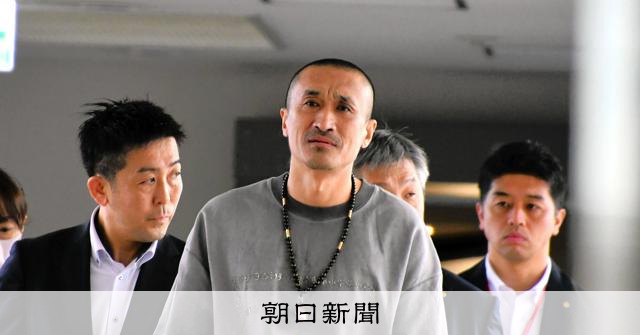
On April 25, 2026, Japanese authorities arrested a 47-year-old man at Narita Airport in connection with the 2018 killing of a woman in Tokyo’s Roppongi district. The arrest concluded an eight-year international manhunt for Takahashi Nobuaki, who had been living in Malaysia since shortly after the alleged crime.
According to verified police reports and multiple Japanese news outlets, Takahashi is suspected of killing Barletta Kumi, a 29-year-old woman with whom he was in a relationship, in her Roppongi apartment in October 2018. Investigators say he used a blunt object, described as resembling an iron dumbbell, to strike her multiple times in the head. Her body was discovered after her mother reported her missing, prompting welfare checks that led to the grim finding of bloodstained equipment at the scene.
The case gained international attention when Takahashi fled Japan shortly after the incident. The Tokyo Metropolitan Police issued an arrest warrant and placed him on an international wanted list through Interpol channels. Malaysian authorities detained him in June 2025, and he was extradited to Japan, arriving at Narita Airport on April 25, 2026, where he was taken into custody by waiting officers.
During initial questioning, Takahashi denied the allegations, stating through his legal representatives that he had “nothing to say” about the case at this time. Police have confirmed they will continue investigating the full circumstances surrounding the killing, including reviewing surveillance footage that allegedly shows the pair entering the building together shortly before the incident.
Case Background and Investigation Timeline
The incident occurred in October 2018 in a residential apartment in Minato Ward, Tokyo. Barletta Kumi, originally from overseas and working in Japan at the time, was last seen alive in the days leading up to her disappearance. When her mother, residing abroad, became unable to contact her, she filed a missing persons report with local authorities, which triggered a welfare check.
Upon entering the apartment, officers found signs of a struggle and located Kumi’s body. Forensic examination at the time indicated blunt force trauma to the head as the cause of death. Police recovered an iron dumbbell-like object stained with blood, which was collected as evidence. No signs of forced entry were reported, suggesting the perpetrator was known to the victim.
Investigators quickly identified Takahashi as a person of interest due to his relationship with Kumi. Witness statements and digital records placed him at the scene around the time of the estimated incident. Still, before authorities could apprehend him, he departed Japan for Malaysia, where he remained until his detention by local law enforcement in mid-2025.
The Tokyo Metropolitan Police confirmed that the international arrest warrant remained active throughout his absence, and coordination with Malaysian authorities via Interpol facilitated his eventual return to Japan. His arrest marks the first time he has faced formal questioning in connection with the case since fleeing the country eight years prior.
Legal Proceedings and Current Status
Following his arrest, Takahashi was transferred to police custody in Tokyo for interrogation. Under Japanese legal procedure, suspects may be detained for up to 23 days before formal charges must be filed, with possible extensions under specific circumstances. As of the latest verified reports, no indictment has been issued, and the investigation remains active.
His denial of involvement aligns with the standard legal process, where suspects are not required to provide statements without legal counsel present. Japanese prosecutors will now review the evidence collected over the years, including forensic reports, witness testimonies, and the alleged murder weapon, to determine whether sufficient grounds exist to proceed with formal charges.
Legal experts note that even as the passage of time complicates some aspects of criminal investigations—such as witness memory and physical evidence preservation—the existence of an international warrant and the suspect’s detention in a third country strengthen the procedural validity of the case. Japanese courts have previously prosecuted historical cases where defendants were extradited after prolonged absences, provided statutory limitations do not apply.
In Japan, the statute of limitations for murder was abolished in 2010 for crimes committed after that date, meaning cases like this one—though occurring before the reform—may still be prosecutable if authorities can demonstrate continuous investigative effort. Police have confirmed that the case remained open and actively pursued during Takahashi’s time abroad.
Impact and Broader Context
The case has drawn attention to the challenges of investigating transnational crimes, particularly when suspects flee jurisdictions shortly after an incident. It underscores the importance of international police cooperation, Interpol notices, and extradition treaties in resolving long-standing criminal matters.
For the victim’s family, the arrest represents a significant step toward closure after years of uncertainty. While no public statements have been released by relatives or legal representatives of Barletta Kumi, victim advocacy groups in Japan have emphasized the importance of sustaining investigations regardless of time elapsed, especially in cases involving gender-based violence.

The incident also highlights ongoing concerns about the safety of foreign nationals residing in Japan, particularly women living alone in urban centers. Although police have not indicated any broader pattern linked to this case, local authorities routinely issue safety advisories for residents in densely populated wards like Minato, encouraging vigilance and prompt reporting of suspicious behavior.
As the legal process moves forward, observers will watch for developments regarding formal charges, potential trial dates, and any additional evidence that may emerge. The Tokyo Metropolitan Police have stated they will provide updates only at key procedural milestones, in accordance with standard practice for ongoing criminal investigations.
What Happens Next
The next confirmed step in the case is the decision by prosecutors on whether to file formal charges, which must occur within the legally permitted detention period unless extended by a court. No trial date has been set, and no further public announcements are expected until a charging decision is made.
Readers seeking official updates are advised to monitor announcements from the Tokyo Metropolitan Police Department or the Ministry of Justice, which routinely publish information on major criminal cases through press releases and official websites. As of now, no public trial date or prosecutorial statement has been released.
This case serves as a reminder of the long reach of justice systems when international cooperation is sustained. While the road ahead may involve complex legal proceedings, the arrest after eight years abroad demonstrates that allegations of serious crime do not simply fade with time or distance.
We encourage readers to share thoughtful reflections on this development and to engage respectfully in discussions about justice, accountability, and the importance of cross-border collaboration in solving crimes. Your perspective helps foster a deeper understanding of how such cases unfold in a globalized world.