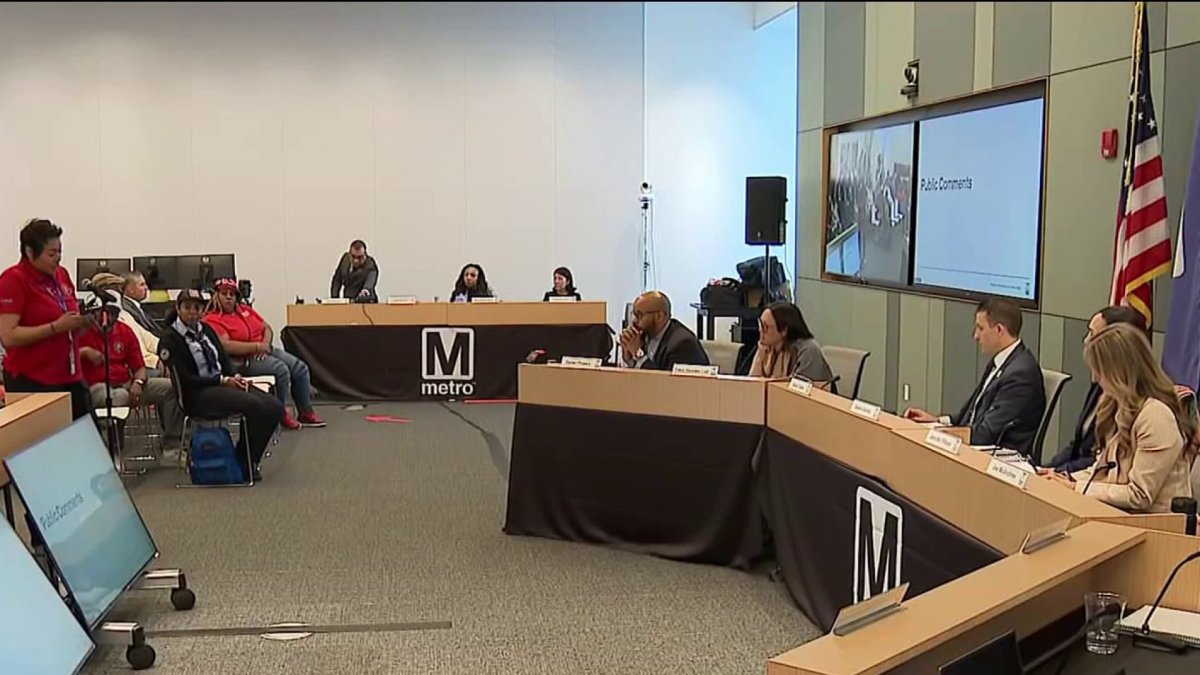
The Washington Metropolitan Area Transit Authority’s Board of Directors has unanimously approved a plan to fully automate the Red Line, marking a significant step toward driverless train operations in the nation’s capital. The initiative includes the installation of platform screen doors and represents one of the most substantial modernization efforts in the system’s history.
According to reports from local news outlets, the board’s decision follows extensive discussions about the future of transit in the Washington D.C. Metropolitan area. The plan, which has drawn both support and concern from various stakeholders, aims to enhance safety, reliability, and capacity on the system’s oldest line.
WMATA General Manager and CEO Randy Clarke emphasized that the automation initiative is not intended to eliminate jobs but rather to modernize infrastructure whereas creating opportunities for workforce transition. During the board meeting, Clarke stated that the agency has engaged in extensive dialogue with union representatives about the implications of the technological shift.
The plan draws inspiration from existing automated systems, with officials noting that the closest current example in the D.C. Area is the Aero Train system operating at Dulles International Airport. This comparison has been referenced in multiple local news reports as officials seek to illustrate the feasibility of the proposed changes.
However, the decision has sparked concern among transit workers, particularly those represented by Amalgamated Transit Union Local 689. Union President Raymond Jackson has voiced apprehension about the potential impact on employees, questioning where current workers would be reassigned if their roles change due to automation.
Jackson has stated that he was previously informed the automation timeline was 20 to 25 years away, creating confusion about the current acceleration of plans. He has called for continued dialogue between labor representatives and management to address worker concerns and develop transition strategies.
Clarke has maintained that the automation effort is part of a broader modernization initiative that includes infrastructure upgrades beyond just train operation. He has compared the process to replacing an old refrigerator with a new model that includes additional features, suggesting that automation is one component of a comprehensive system overhaul.
The implementation timeline indicates that the earliest possible changes could occur around 2032 or 2033, contingent upon securing federal funding. Officials have noted that achieving the planned level of automation with self-driving trains and platform doors requires significant federal investment.
Regarding workforce impacts, Clarke has stated that current employees would not see immediate changes to their employment status, while acknowledging uncertainty about long-term workforce composition. He has pointed to international examples where automated transit systems still employ onboard staff for functions other than train operation.
If fully implemented, the Red Line would become the first fully automated rapid transit line in the United States, potentially setting a precedent for other lines within the Metro system and influencing transit modernization efforts nationwide.
The project remains subject to federal funding approval and further planning processes before implementation can begin. Officials continue to emphasize that the initiative is focused on improving system safety and reliability while navigating the complex transition associated with technological advancement in public transportation.
Keep reading