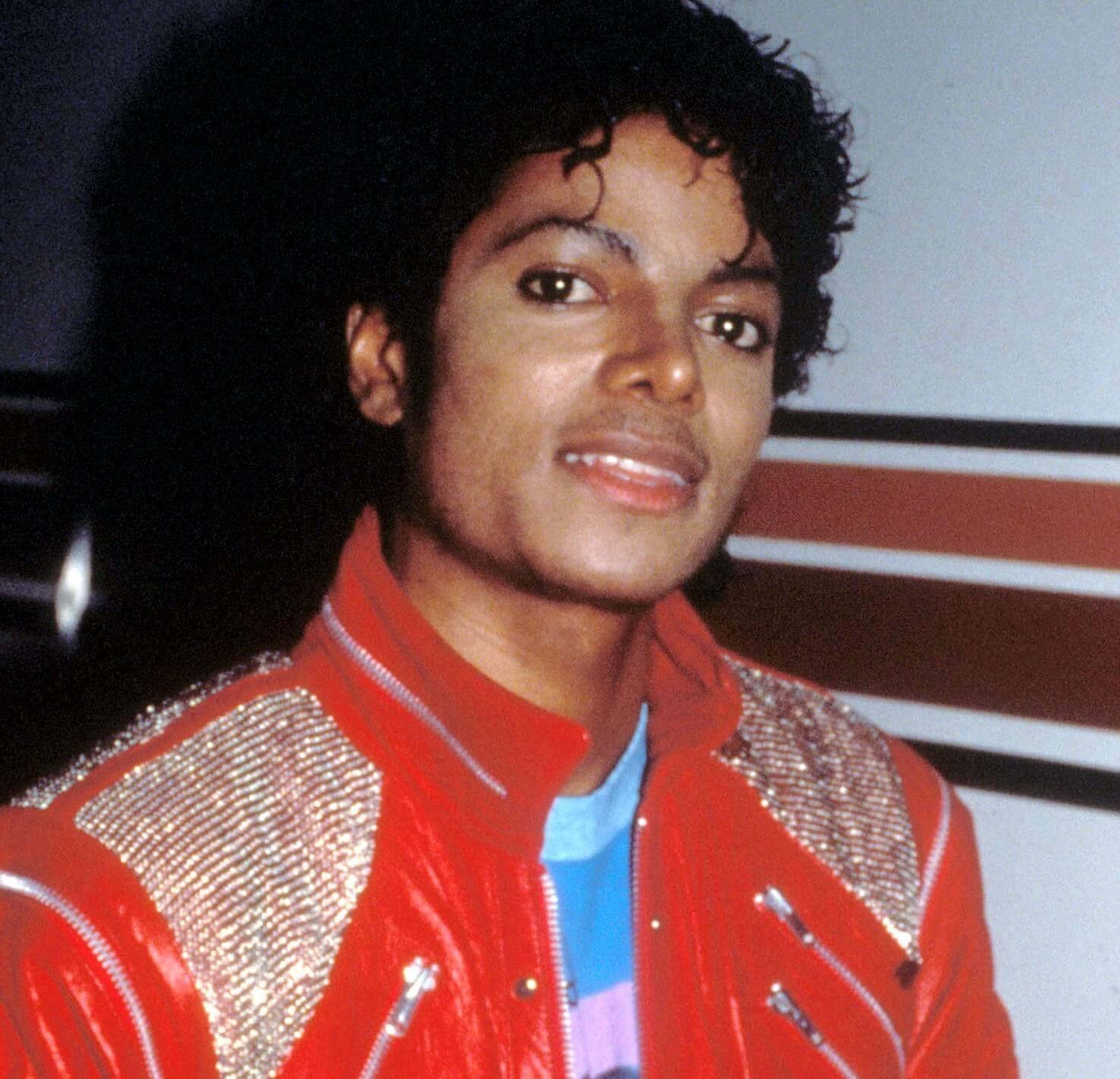
The new Michael Jackson biopic has emerged as a box office phenomenon, drawing massive crowds in its opening weekend despite ongoing controversy surrounding the late pop icon’s legacy. According to reports, the film titled Michael is on course to earn nearly $90 million domestically, marking one of the strongest openings for a music biopic in recent years. This commercial success comes even as debates intensify over how the movie addresses—or omits—key aspects of Jackson’s life, particularly the allegations of child sexual abuse that defined much of his later years and continue to shape public perception.
Directed by Antoine Fuqua, known for films like Training Day and The Equalizer, Michael stars Jaafar Jackson, the singer’s nephew, in the lead role. The casting choice has drawn both praise and criticism, with some viewing it as a familial tribute and others questioning the wisdom of placing a relative at the center of such a polarizing narrative. Fuqua has defended the decision, emphasizing Jaafar’s personal connection to the music and his understanding of Jackson’s artistry, whereas acknowledging the weight of portraying a figure whose life remains deeply contested.
Despite the film’s focus on Jackson’s musical genius and stagecraft, critics and advocacy groups have pointed out that it largely avoids confronting the allegations brought forward in documentaries like Leaving Neverland, which detailed claims by Wade Robson and James Safechuck that they were sexually abused by Jackson as children. Dan Reed, the director of Leaving Neverland, has been vocal in his criticism of the biopic, stating in interviews that the film risks whitewashing a troubling history. In one notable comment, Reed described Jackson as “worse than Jeffrey Epstein,” a remark that sparked backlash from Jackson’s estate and supporters who deny the allegations and argue they were debunked during the singer’s 2005 trial.
The Jackson estate, which co-produced the film, has maintained that the allegations are unfounded and that the biopic aims to celebrate Jackson’s cultural impact rather than re-litigate past controversies. However, this stance has not quelled demands from some viewers and activists for greater transparency about the film’s narrative boundaries. Online discussions and media commentary have repeatedly highlighted the absence of any meaningful engagement with the abuse claims, with some describing the omission as a significant gap in an otherwise comprehensive portrayal of Jackson’s career.
Nonetheless, audiences have responded strongly to the film’s celebration of Jackson’s performances, particularly recreations of iconic moments from albums like Thriller, Bad, and Dangerous. Early screenings have generated emotional reactions from fans who grew up with his music, many of whom praise the film for capturing his energy, innovation, and influence on global pop culture. Social media platforms have been flooded with clips and testimonials from viewers expressing awe at the dance sequences and vocal performances, underscoring the enduring power of Jackson’s artistry even amid ethical debates.
The film’s success also raises broader questions about how society engages with the legacies of artists accused of serious misconduct. Similar discussions have surrounded works by figures such as R. Kelly, Woody Allen, and Kevin Spacey, where audiences grapple with separating art from alleged actions. In Jackson’s case, the tension is especially pronounced given his status as one of the best-selling music artists of all time and a transformative force in music videos, dance, and racial integration in mainstream entertainment during the 1980s and 1990s.
As the theatrical run continues, industry analysts are monitoring whether Michael will sustain its momentum through positive word-of-mouth or face a steep decline amid ongoing cultural criticism. Its performance could influence future decisions about biopics involving controversial figures, particularly regarding how studios balance artistic storytelling with accountability. For now, the film stands as a testament to Jackson’s enduring appeal—and a reminder of the complexities that arise when fame, art, and allegation intersect.