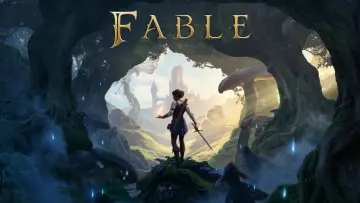
As the gaming industry braces for a high-profile release calendar, Microsoft has confirmed that the highly anticipated reboot of Fable, currently in development by Playground Games, will not arrive in 2026. The decision marks a strategic shift for the Xbox portfolio, as the company looks to provide the title with a dedicated moment to shine, avoiding a direct collision with the industry-dominating launch of Rockstar Games’ Grand Theft Auto VI. For fans of the iconic action role-playing franchise, the wait for the new installment continues as Microsoft prioritizes long-term success over a crowded release window.
The adjustment to the Fable release schedule reflects a broader trend in the gaming sector where major publishers are increasingly wary of the “GTA effect.” With Grand Theft Auto VI expected to command an unprecedented share of consumer attention and spending upon its arrival, many studios are opting to clear the runway. By moving away from a 2026 launch, Microsoft aims to ensure that Playground Games—a studio previously renowned for its work on the Forza Horizon series—has the necessary space to deliver a polished experience without being overshadowed by the most significant cultural event in gaming history.
Strategic Scheduling in a Crowded Market
The decision to delay Fable is indicative of how modern publishers manage their intellectual property in an era of massive, multi-year development cycles. In the competitive landscape of the Xbox gaming ecosystem, timing is often as critical as the quality of the software itself. When a title of the scale of Grand Theft Auto VI hits the market, it creates a gravitational pull that can significantly impact the commercial performance of other major releases, regardless of their genre or platform availability.
Playground Games has been working on this ambitious project for years, with the reboot intended to modernize the charm and wit of the original Lionhead Studios trilogy. By opting for a later release date, the team gains additional development time, which is frequently a crucial factor in avoiding the “crunch” culture that has plagued the industry. This move essentially allows the development team to refine the title’s mechanics, narrative depth, and technical performance, ensuring it meets the high expectations of a legacy fanbase.
What This Means for the Xbox Roadmap
For Xbox users, the absence of Fable in the 2026 lineup leaves a gap, but it also signals a commitment to quality control. Microsoft has been under pressure to deliver a consistent stream of high-quality, first-party titles, and the Fable reboot is widely considered a flagship entry in that strategy. The shift suggests that internal leadership is willing to sacrifice short-term release targets to protect the long-term health and reputation of the brand.
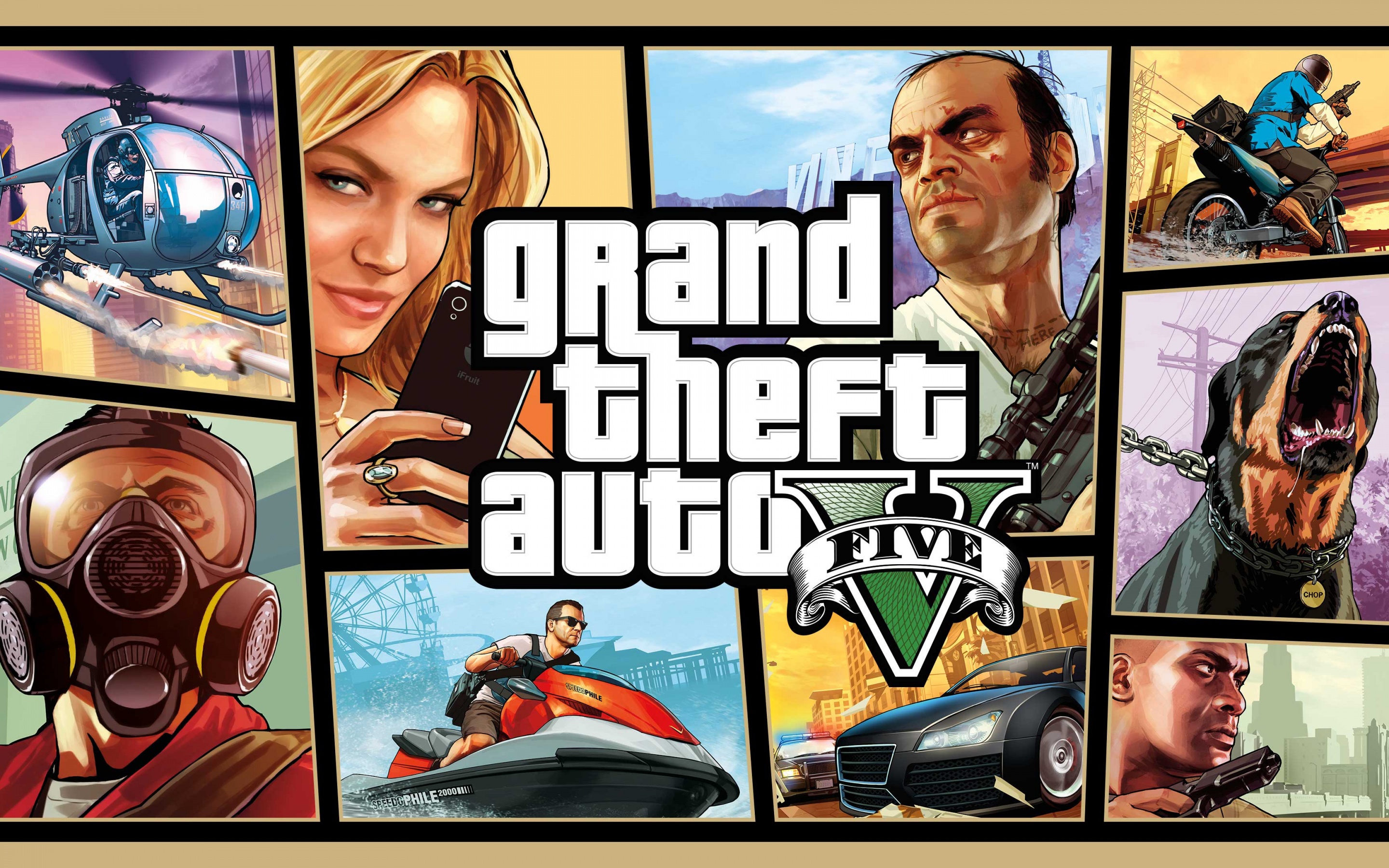
The broader impact on the gaming industry is significant. As studio head Phil Spencer and the wider Xbox leadership team navigate the complexities of managing a massive portfolio of internal studios, the ability to pivot schedules based on external competitive pressure—such as the release of a massive Rockstar title—is a hallmark of a mature, data-driven publishing strategy. Consumers can expect Microsoft to fill this void with other projects from their deep bench of studios, though the specific details of that revised 2026 roadmap remain a subject of intense speculation.
Looking Ahead: The Path to Albion
While the delay may be disappointing for those who were hoping to return to the land of Albion in 2026, the industry perspective is largely one of relief. A launch window that avoids the inevitable noise surrounding the next Grand Theft Auto allows for a more focused marketing campaign and a more stable launch period for Fable. For developers, this is often the difference between a title that is lost in the shuffle and one that becomes a sustained success.

As we look toward the next official update from the Xbox team, fans should keep an eye on major industry events where Microsoft has historically shared updates, such as the annual Xbox Games Showcase. These events remain the primary venue for official news regarding release windows, gameplay trailers, and development milestones. While the 2026 calendar is now clearer, the excitement surrounding the return of one of gaming’s most beloved fantasy series continues to build.
We encourage our readers to stay tuned to our technology coverage for the latest updates on the Fable development cycle. As more information becomes available through official company channels, we will continue to provide in-depth analysis on how this title fits into the evolving landscape of modern gaming. Please share your thoughts in the comments section below—are you willing to wait longer for a more polished experience, or were you hoping for a 2026 arrival?
Keep reading
- Why Mosquitoes Target Certain People More Than Others
- Sam Altman Declares We Are Living in the Singularity on Relentless Podcast
- Sean Diddy Combs Sent to Solitary Confinement After Prison Fight and Release Date Moved (newsdirectory3.com)
- Sean Diddy Combs Prison Release Date Moved Up Amid Sentence Backlash (news-usa.today)