
Attorney General Pam Bondi has faced intense congressional scrutiny this week regarding the administrative handling of the Jeffrey Epstein files, a collection of documents that has remained a focal point of public interest and legal debate for years. In closed-door testimony before members of Congress, Bondi defended the Department of Justice’s (DOJ) protocols, asserting that the current administration has remained committed to principles of justice and transparency despite criticism from lawmakers regarding the redaction processes employed during the release of these sensitive materials.
The testimony, which addressed the specific methodologies used to process and publish documents related to the late financier Jeffrey Epstein, marks a significant moment in the ongoing oversight of federal record-keeping. As the debate over the public disclosure of these files continues, the investigation into how these documents were reviewed—and where potential errors may have occurred—remains a top priority for congressional oversight committees. You can track the latest official developments and legislative updates through the United States Department of Justice official portal.
The Scope of Congressional Oversight
The inquiry into the Epstein files is part of a broader congressional effort to ensure that the Department of Justice is operating with full accountability. During the recent testimony, lawmakers focused heavily on the redaction errors identified in previous document releases. Bondi, while maintaining that the overall process was handled with diligence, acknowledged that administrative oversights had occurred during the preparation of the files for public consumption. This admission has prompted further questions about the internal checks and balances currently in place within the DOJ.
According to reports from the BBC, the questioning centered on whether the redactions were used to protect sensitive personal information or if they were applied in a way that obscured broader institutional accountability. Bondi emphasized that the mandate for transparency must be balanced against legal requirements to protect the privacy of non-public individuals, a standard that the DOJ is legally obligated to uphold under the Freedom of Information Act (FOIA).
Accountability and Administrative Responsibility
A central theme of the testimony involved the chain of responsibility regarding document processing. Bondi’s testimony touched upon the roles of various officials and legal advisors involved in the review process. By pointing to the structural complexities of the department, Bondi sought to clarify that document management is a collaborative effort involving multiple layers of legal review. This approach has led to a shifting of the narrative, with different political factions attempting to isolate responsibility for specific redaction decisions.
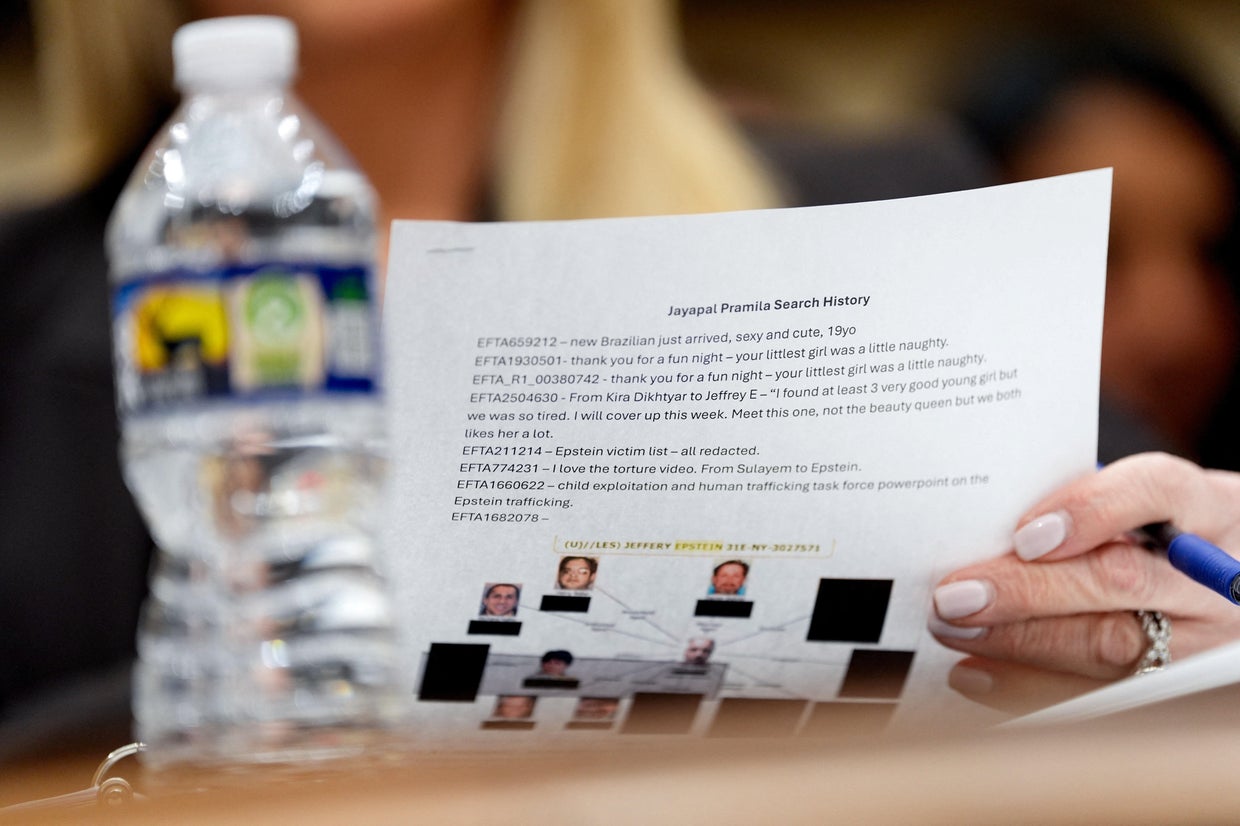
Observers have noted that the scrutiny of these files is unlikely to end with this testimony. The House Judiciary Committee has indicated that they intend to follow up on the specific procedural failures mentioned during the session. For those following the technical details of the document release, the House Committee on the Judiciary provides the most direct access to hearing transcripts and official committee reports as they are made available to the public.
Why the Epstein Files Remain Politically Sensitive
The Epstein case remains one of the most complex legal and investigative stories of the last two decades. The release of documents related to his network has implications for public trust, legal accountability, and the integrity of the judicial system. Because the files contain references to a wide array of individuals—including public figures, associates, and victims—the process of releasing them without causing undue harm or violating privacy rights is fraught with legal peril.
The tension during the testimony highlights the fundamental disconnect between congressional expectations for total transparency and the bureaucratic reality of legal redaction. Bondi’s defense of the administration’s handling of the files suggests that the DOJ views itself as having met its legal obligations, even as it acknowledges that the execution of these tasks was not without flaw. As the investigation moves forward, the primary goal for lawmakers remains the verification that no information was suppressed for political reasons rather than legitimate privacy concerns.
Key Takeaways from the Recent Testimony
- Admission of Redaction Errors: Bondi acknowledged that the process of redacting the Epstein files involved administrative errors, which are currently being reviewed by the department.
- Commitment to Transparency: Despite the errors, the Attorney General maintained that the department’s broader objective has been to balance public interest with the protection of individual privacy under federal law.
- Ongoing Oversight: Congressional committees have indicated that this testimony is merely one step in a longer investigative process into how the DOJ handles sensitive document requests.
- Legislative Focus: The House and Senate committees continue to press for clearer guidelines on how redactions are applied to high-profile cases to prevent future discrepancies.
Next Steps in the Investigation
The next phase of this inquiry will likely involve further documentation requests from congressional committees. As of this writing, there is no set date for a follow-up public hearing, though staff-level reviews of the materials discussed during the closed-door session are expected to continue throughout the coming weeks. The Department of Justice is expected to provide additional clarification in future filings regarding the steps they are taking to audit their redaction protocols.

We encourage our readers to remain informed by monitoring official government channels for the most accurate and up-to-date information regarding this ongoing matter. We will continue to provide updates as new information becomes available. If you have thoughts on the balance between privacy and public transparency in these investigations, please feel free to share your perspective in the comments section below.
Keep reading