
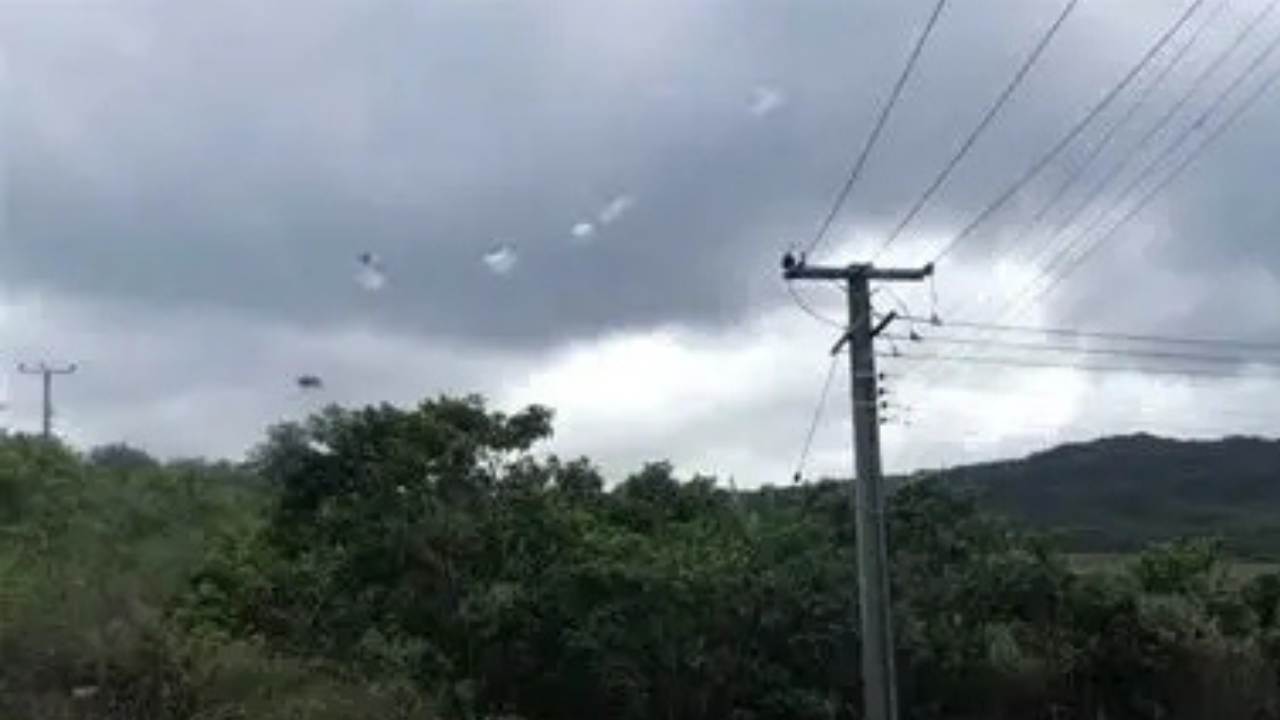
Weather patterns across Mauritius continue to present seasonal variability as residents and visitors prepare for changing conditions on the island. Recent forecasts indicate that specific regions may experience rainfall while others maintain drier conditions, reflecting the complex interplay of topography and atmospheric influences in the Indian Ocean.
The island’s unique geography, characterized by a central plateau rising to over 600 meters above sea level and a coastal fringe exposed to trade winds, creates distinct microclimates that significantly influence daily weather experiences. These variations are particularly noticeable during transitional seasons when temperature gradients between elevations turn into more pronounced.
Mauritius Meteorological Services regularly monitors these patterns through a network of observation stations positioned across different ecological zones, providing essential data for both public safety and sector-specific planning in agriculture, tourism, and infrastructure management.
Expected Rainfall Distribution
According to current meteorological assessments, the eastern districts and central plateau regions are anticipated to experience scattered showers throughout the day. These precipitation events are expected to be most active during afternoon hours when daytime heating typically triggers convective activity in these elevated areas.
The western and northern coastal zones, by contrast, are projected to remain largely dry with only isolated chances of light rainfall. This east-west divide in weather patterns is a recurring feature of Mauritian climatology, influenced by the prevailing southeast trade winds that carry moisture across the island before being forced upward by the central mountains.
Such orographic lifting results in enhanced cloud formation and precipitation on the windward (eastern) slopes, while the leeward (western) sides benefit from a rain shadow effect that generally produces sunnier and drier conditions.
Temperature Variations Across Elevation
Temperature forecasts indicate a clear stratification based on altitude, with cooler conditions prevailing at higher elevations. Minimum temperatures in the central plateau region are expected to range between 19 and 21 degrees Celsius, reflecting the moderating influence of altitude on thermal readings.
Meanwhile, coastal areas are projected to experience warmer minimums, with temperatures anticipated to fall between 23 and 25 degrees Celsius. This 4-degree Celsius difference between plateau and littoral zones underscores the significant impact of elevation on local climate conditions, a phenomenon well-documented in tropical island meteorology.
These temperature ranges align with typical seasonal patterns for Mauritius during this time of year, when the island experiences its austral winter characterized by generally milder conditions compared to the hot, humid summer months.
Atmospheric Influences and Seasonal Context
The current weather pattern reflects Mauritius’ position within the broader regional climate system of the southwest Indian Ocean. During this period, the island is influenced by the southern extension of the subtropical high-pressure belt, which brings stable conditions to many areas while allowing for localized instability in others.
Sea surface temperatures in the surrounding waters play a moderating role, particularly along the coastline where the ocean’s high heat capacity helps to reduce diurnal temperature variation. This maritime influence contributes to the relatively narrow temperature range experienced in coastal zones compared to more continental climates.
The interaction between land and sea surfaces also generates localized breeze patterns, with daytime sea breezes blowing from ocean to land and nighttime land breezes reversing this flow. These circulations play an important role in distributing moisture and modulating temperatures, especially in coastal settlements.
Practical Implications for Residents and Visitors
For those planning outdoor activities, the forecast suggests carrying light rain protection when visiting eastern districts or the central plateau, particularly during midday to late afternoon periods. Morning hours often offer clearer conditions before convective clouds develop.
Coastal areas in the west and north may provide more consistently dry conditions for beach-related activities, though visitors should remain aware of the potential for rapidly changing weather, a characteristic feature of tropical island environments.
Agricultural stakeholders in the affected regions may benefit from the expected rainfall, which could provide valuable moisture for crops during this period. However, farmers in areas prone to waterlogging should monitor drainage conditions as showers develop.
Official Sources and Monitoring
The Mauritius Meteorological Services maintains the official responsibility for weather forecasting and climate monitoring across the nation. Their observations form the basis for public advisories and sector-specific warnings that help communities prepare for varying conditions.
Members of the public seeking real-time updates can access the national meteorological agency’s official website and mobile applications, which provide regularly refreshed forecasts, radar imagery, and specialized outlook products tailored to different user needs.
For marine interests, including fishermen and recreational boaters, the meteorological service also issues specific advisories regarding sea conditions, wind patterns, and potential hazards that may accompany changing weather systems.
Climate Context and Long-Term Patterns
While daily weather forecasts address immediate conditions, they exist within the broader framework of Mauritian climate patterns. The island experiences a tropical maritime climate characterized by relatively uniform temperatures year-round, with seasonal variation primarily expressed through changes in rainfall distribution and humidity levels.
Long-term climate data indicates that Mauritius, like many small island developing states, faces ongoing challenges related to climate variability and change. These include potential shifts in rainfall patterns, increasing sea surface temperatures, and the need for adaptive strategies across various socioeconomic sectors.
Understanding both short-term weather expectations and longer-term climate trends remains essential for effective planning and resilience-building in this vulnerable island nation.
The Mauritius Meteorological Services continues to provide critical environmental monitoring that supports decision-making at all levels, from individual daily choices to national policy formulation in areas such as disaster risk reduction, water resource management, and sustainable development.
As the day progresses, residents are encouraged to stay informed through official channels and to take appropriate precautions based on their specific location and planned activities. The dynamic nature of tropical weather means that conditions can evolve rapidly, making access to reliable, up-to-date information particularly valuable.
The next scheduled weather update from the Mauritius Meteorological Services is expected later today, providing an opportunity to assess any changes in the evolving atmospheric situation across the island’s diverse landscapes.
We encourage readers to share their local weather observations and experiences in the comments section below, helping to build a community-based understanding of how these conditions affect different regions of Mauritius. Your insights contribute valuable ground-level context to the official meteorological data.