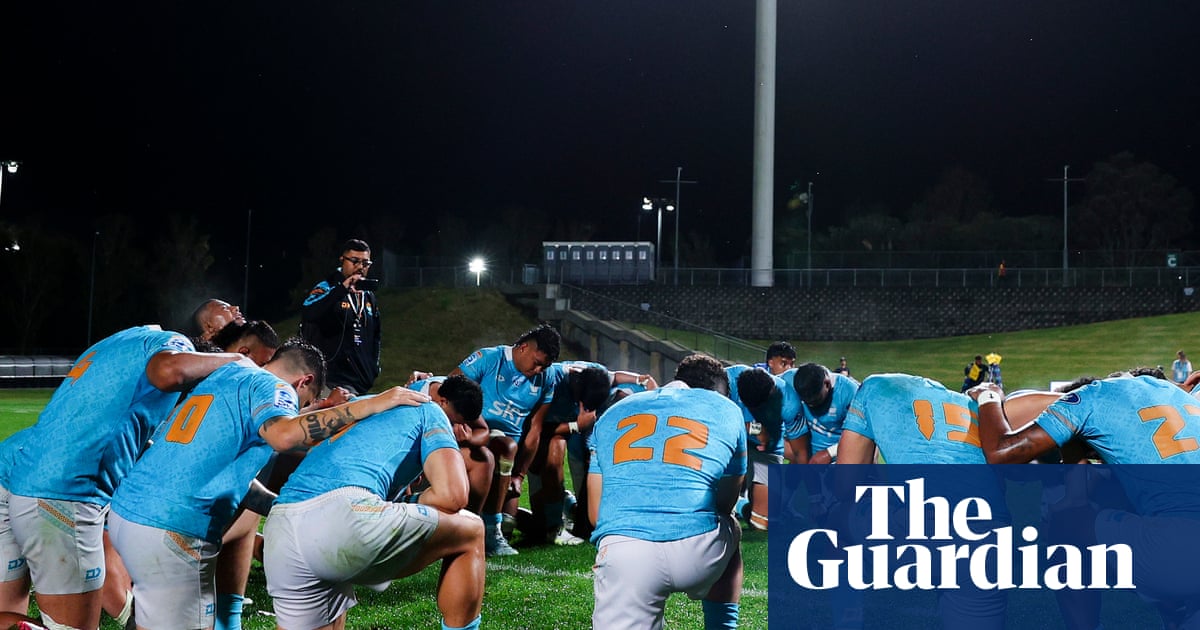
The landscape of professional rugby in the Pacific has suffered a significant blow following the confirmation that Moana Pasifika will fold at the conclusion of the 2026 campaign. The franchise, which was designed to showcase and develop talent from across the Pacific Islands, cited funding issues and “financial, operational, and strategic realities” as the primary drivers behind the decision to cease operations.
Confirmed on Wednesday morning, April 15, 2026, the announcement marks the end of a five-season journey for the club in Super Rugby Pacific. The decision is described as “heartbreaking” by the organization, as it directly impacts 60 players and staff members, as well as the broader Pasifika community that the team sought to represent on the world stage.
Moana Pasifika Chair, Dr. Kiki Maoate, described the move as “one of the hardest” decisions the leadership has ever had to make. In a statement, Maoate expressed immense pride in the players, staff, and the community that supported the team, emphasizing the franchise’s role in supporting a growing hub of Pacific talent across multiple sporting codes, both locally and within the Pacific region via ESPN.
The exit of Moana Pasifika further shrinks the competition, reducing Super Rugby Pacific to just 10 teams starting in 2027. This follows the previous loss of the Melbourne Rebels, who were wound up at the end of the 2024 season due to crippling financial debts via ESPN.
A Legacy of Pacific Talent and Growth
The concept for Moana Pasifika was first established in 2020, debuting with an exhibition match against the Maori All Blacks before receiving the official green light to join the restructured Super Rugby Pacific competition in 2022 via rugby.com.au. Alongside the Fijian Drua, the franchise was intended to provide a professional pathway for athletes from the Pacific Islands, reducing the reliance on overseas migration for professional opportunities.

Over its short history, the club became a platform for emerging international stars. The franchise is credited with unearthing talent such as Timoci Tavatavanawai, Miracle Faiilagi, and Kyren Taumoefolau, all of whom made their Super Rugby debuts with the team via rugby.com.au. The club also attracted high-profile veterans, most notably Ardie Savea, who joined in 2025 and was expected to return in 2027 following a sabbatical.
Despite these contributions to the sport’s growth, the club struggled to find a sustainable financial footing. The decision to disband follows an extensive consideration of the professional rugby environment in New Zealand and the specific strategic realities facing the franchise via RugbyPass.
Impact on the Super Rugby Pacific Competition
The departure of Moana Pasifika signals a period of contraction for the league. Having started as a 12-team competition in 2022, the league will now operate with only 10 sides from 2027 onward. This reduction reflects the ongoing financial volatility within the region’s top-tier club rugby.
The current state of the franchise is precarious, with the team sitting last on the ladder as they enter the final stages of their existence via rugby.com.au. For the 60 players and staff members affected, the focus now shifts to a “smooth transition” as the club attempts to finish the 2026 season on a strong note.
Key Timeline of Moana Pasifika’s Journey
| Year | Event |
|---|---|
| 2020 | Concept created; exhibition match against Maori All Blacks |
| 2022 | Official debut in the new-glance Super Rugby Pacific competition |
| 2025 | Marquee signing of Ardie Savea |
| 2026 | Confirmation of franchise disbandment at end of season |
| 2027 | Super Rugby Pacific reduced to 10 teams |
What Happens Next for the Players and Staff?
The immediate priority for Dr. Kiki Maoate and the club’s leadership is ensuring that the affected personnel are supported. The disbandment of the Super Rugby operations leaves dozens of professional athletes and support staff without contracts for the 2027 season. While the club will continue to advocate for Pacific talent, the loss of a dedicated professional franchise removes a critical structural pillar for regional development.
The closure of the club highlights the systemic challenges of maintaining professional franchises in the Pacific, where operational costs and funding gaps often clash with the strategic goal of expanding the game’s footprint. The “financial, operational, and strategic realities” mentioned in the club’s statement suggest that without a significant change in the funding model, the franchise was no longer viable at the current level of competition via RugbyPass.
The club’s commitment now is to celebrate its legacy by completing the 2026 season, providing a final opportunity for its players to showcase their skills before the organization officially shuts its doors.
The next confirmed checkpoint for the franchise is the completion of the 2026 Super Rugby Pacific season, after which the team will officially cease all operations. We invite our readers to share their thoughts on the impact of this decision in the comments below.
Related reading