
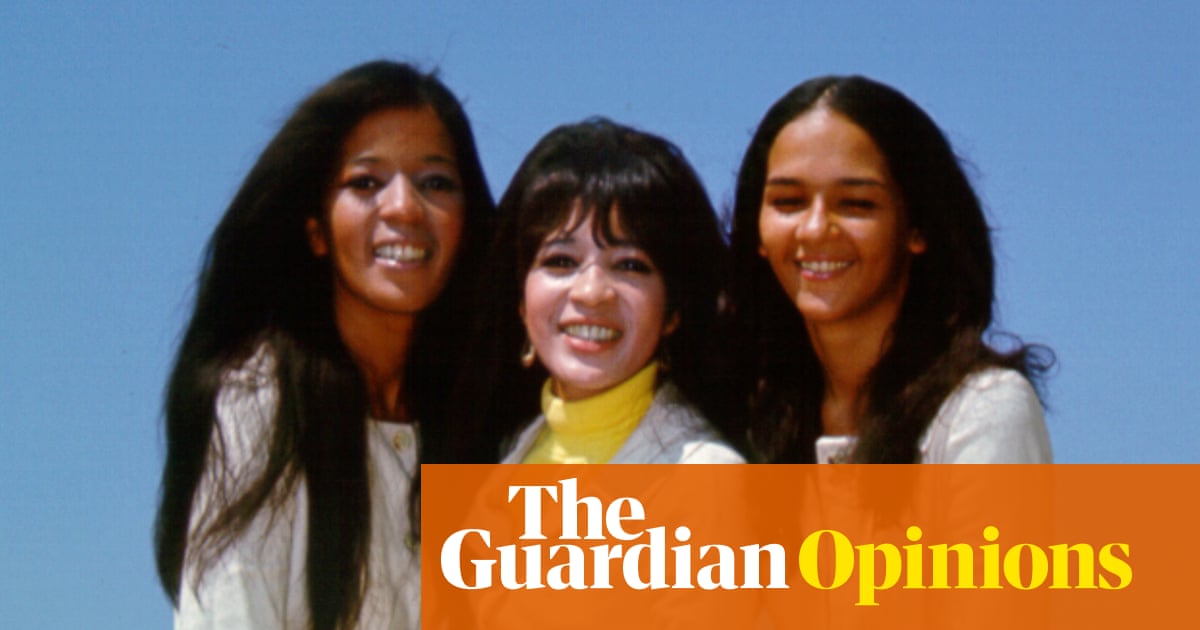
The Ronettes’ Last Original Voice: How Nedra Talley Ross Defined the Girl Group Era
Los Angeles — The music world lost one of its most iconic voices this week with the passing of Nedra Talley Ross, the last surviving original member of the Ronettes, the girl group that defined an era of pop music with their soaring harmonies and rebellious spirit. Ross, who died at 80 on April 27, 2026, was more than just a backup singer—she was a cornerstone of the Ronettes’ sound, a group often hailed as the “platonic ideal” of girl groups. Her death marks the finish of an era for a trio that shaped the very fabric of 1960s pop culture, leaving behind a legacy that continues to influence artists today.
Ross’s journey with the Ronettes was brief but transformative. Alongside her cousins, Veronica “Ronnie” Bennett (later Spector) and Estelle Bennett, she helped create some of the most enduring hits of the 1960s, including Be My Baby, Walking in the Rain, and Baby, I Love You. These songs, produced by the legendary Phil Spector, became anthems of teenage longing and joy, their lush orchestration and raw emotion setting a new standard for pop music. Yet, despite their success, Ross’s relationship with Spector was complicated, marked by her candid disdain for his infamous arrogance—a sentiment she shared openly in her later years.
For Ross, the Ronettes were more than just a musical act; they were a family. The trio had sung and danced together since childhood, their bond forged in the streets of New York City’s Spanish Harlem. Their rise to fame was meteoric, but their time in the spotlight was fleeting. By the late 1960s, the group had disbanded, and Ross stepped away from the music industry, leaving behind a legacy that would only grow in the decades that followed. Her death leaves a void in the world of music, but her contributions to pop culture remain immortalized in the records she helped create.
The Ronettes: A Blueprint for Girl Groups
The Ronettes were not just another girl group—they were the girl group. With their signature beehive hairstyles, dramatic eyeliner, and tight harmonies, they embodied the glamour and rebellion of the 1960s. Their music, characterized by Spector’s “Wall of Sound” production technique, was a symphony of teenage emotion, blending innocence with a hint of danger. Songs like Be My Baby, released in 1963, became instant classics, their opening drumbeat instantly recognizable to music lovers around the world.
Ross’s role in the group was pivotal. While Ronnie Spector often took the lead vocals, Ross and Estelle Bennett provided the harmonies that gave the Ronettes their signature sound. Their voices, layered over Spector’s lush arrangements, created a sound that was both timeless and revolutionary. The group’s influence can be heard in the work of countless artists who followed, from The Supremes to modern pop acts like Beyoncé and Ariana Grande.
The Ronettes’ impact extended beyond their music. They were style icons, their fashion choices influencing trends that would define the decade. Their look—bold, glamorous, and unapologetically feminine—challenged the norms of the time and paved the way for future generations of female artists to express themselves freely. Ross, in particular, brought a warmth and authenticity to the group, her presence grounding their larger-than-life personas.
A Complicated Legacy with Phil Spector
No discussion of the Ronettes would be complete without addressing their complicated relationship with Phil Spector, the producer who helped shape their sound but as well cast a long shadow over their careers. Spector, known for his genius as well as his volatile personality, was a polarizing figure in the music industry. Ross’s feelings about him were no exception.
In an interview conducted just before Christmas 2025, Ross reflected on her time working with Spector, offering a candid assessment of his character. “I wasn’t impressed by him, and he didn’t stir me with what he was saying, didn’t scare me with what he was doing,” she said. “He was quite arrogant, and who wants to deal with an arrogant person?” Her words painted a picture of a man who, despite his musical brilliance, was difficult to work with—a sentiment that has been echoed by many who knew him.
Spector’s legal troubles, which culminated in his conviction for the 2003 murder of actress Lana Clarkson, further complicated the Ronettes’ legacy. While the group’s music continued to thrive, their association with Spector became a source of controversy. Ross’s willingness to speak openly about her experiences with him added a layer of complexity to the narrative, offering a rare glimpse into the dynamics of the music industry during that era.
Life After the Ronettes
After the Ronettes disbanded in 1967, Ross largely stepped away from the public eye, choosing to live a life outside the spotlight. Unlike her cousin Ronnie, who remained a fixture in the music world, Ross embraced a quieter existence, though she occasionally reflected on her time with the group. Her decision to leave the industry was not without its challenges, but it allowed her to carve out a life that was uniquely her own.

In her later years, Ross became a beloved figure among fans of 1960s music, her stories and memories offering a rare connection to a bygone era. She was known for her warmth and humor, traits that endeared her to those who had the privilege of meeting her. Her passing has sparked an outpouring of tributes from musicians and fans alike, many of whom have shared their favorite Ronettes songs and memories on social media.
Ross’s death also marks the end of an era for the Ronettes. With the passing of Estelle Bennett in 2009 and Ronnie Spector in 2022, she was the last surviving original member of the group. Her legacy, however, lives on in the music she helped create—a testament to the enduring power of the Ronettes’ sound.
The Ronettes’ Enduring Influence
The Ronettes’ music has stood the test of time, their songs remaining as vibrant and relevant today as they were in the 1960s. Be My Baby, in particular, has been covered by countless artists and featured in films, television shows, and commercials, its iconic opening drumbeat instantly recognizable to new generations of listeners. The song’s influence can be heard in the work of artists ranging from Bruce Springsteen to The Beach Boys, who famously cited it as inspiration for their own music.
The group’s impact on pop culture extends beyond their music. Their style, attitude, and sound have inspired countless girl groups and female artists, from The Supremes to Destiny’s Child. Their ability to blend vulnerability with strength resonated with audiences then and continues to do so today. Ross’s contributions to this legacy are immeasurable, her voice a key component of the Ronettes’ signature sound.
In recent years, the Ronettes have been the subject of renewed interest, with their music experiencing a resurgence in popularity. Streaming platforms have introduced their songs to new audiences, and their influence can be seen in the work of modern artists who continue to draw inspiration from their sound. Ross’s passing serves as a reminder of the enduring power of their music and the indelible mark they left on the world of pop.
Remembering Nedra Talley Ross
Nedra Talley Ross’s life was one of music, family, and resilience. Born on January 27, 1946, in New York City, she grew up in a close-knit family that shared a love of singing and performing. Her cousins, Ronnie and Estelle Bennett, were her partners in music from an early age, and together they formed the Ronettes, a group that would go on to achieve legendary status.
Ross’s 18th birthday in January 1964 was a star-studded affair, with none other than George Harrison of The Beatles among the guests. The Ronettes were at the height of their fame, their music dominating the airwaves and their style setting trends. Yet, despite their success, Ross remained grounded, her humility and warmth a constant presence in the group.
Her death has prompted an outpouring of tributes from fans and fellow musicians. Social media has been flooded with memories of the Ronettes, with many sharing their favorite songs and reflecting on the group’s impact. For those who grew up listening to their music, Ross’s passing is a poignant reminder of the power of music to connect us across generations.
As the world mourns the loss of Nedra Talley Ross, her legacy as a member of the Ronettes remains untouched. Her voice, her spirit, and her contributions to music will continue to inspire future generations of artists and fans alike. The Ronettes may no longer be with us, but their music lives on—a testament to the enduring power of their sound and the indelible mark they left on the world of pop.
What’s Next for the Ronettes’ Legacy?
With the passing of Nedra Talley Ross, the Ronettes’ story has come to a close, but their music and influence will continue to thrive. Fans can expect to see renewed interest in their catalog, with streaming platforms and record labels likely to highlight their work in the coming months. The group’s induction into the Rock & Roll Hall of Fame in 2007 ensures that their legacy will be preserved for future generations.
For those looking to explore the Ronettes’ music, their albums Presenting the Fabulous Ronettes (1964) and The Ronettes Featuring Veronica (1965) are essential listening. Their hits, including Be My Baby, Walking in the Rain, and Baby, I Love You, remain as powerful today as they were when they were first released.
As we remember Nedra Talley Ross, let us also celebrate the music she helped create—a body of work that continues to bring joy and inspiration to millions around the world. Share your favorite Ronettes songs and memories in the comments below, and let’s keep their legacy alive for generations to come.