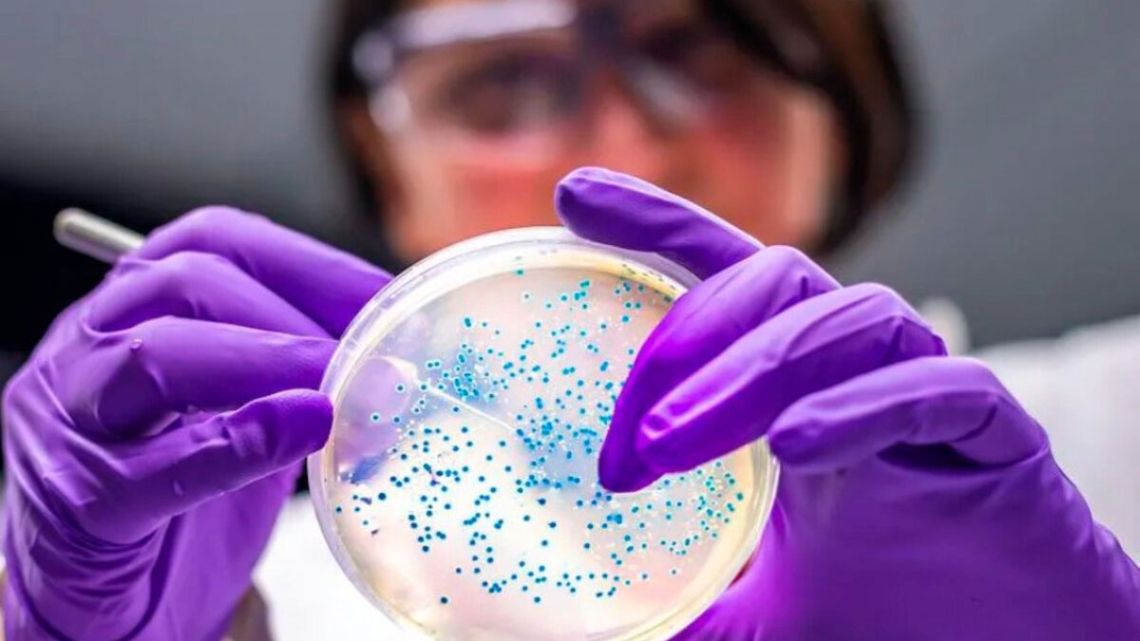
The fight against antimicrobial resistance has reached a critical juncture in Argentina, where hospital-acquired infections result in more than 28,000 deaths annually and carry a mortality rate of 11.5%. In response to this public health crisis, the National Administration of Drugs, Foods and Medical Devices (ANMAT) has authorized a new antibiotic combination designed to target the most resilient “superbugs” found in clinical settings according to recent reports.
The approved treatment, developed by the U.S.-based pharmaceutical company Pfizer, combines aztreonam and avibactam. This combination is specifically indicated for adults suffering from severe hospital-acquired infections, including complicated intra-abdominal infections, severe urinary tract infections, and hospital-acquired pneumonia, including cases associated with mechanical ventilation as detailed by Infobae.
As a physician with over a decade of experience in internal medicine and infectious diseases, I view this authorization as a vital expansion of the therapeutic arsenal. The emergence of multiresistant Gram-negative bacteria—particularly those that produce metallo-β-lactamases—has left many clinicians with few, if any, effective options. The introduction of aztreonam-avibactam addresses a specific gap in care for patients in critical condition, especially those in intensive care units (ICUs).
The Science Behind Aztreonam-Avibactam
To understand why this combination is a breakthrough, one must understand the mechanisms bacteria leverage to survive. Many “superbugs” produce enzymes called beta-lactamases, which act like molecular scissors, cutting through and neutralizing the antibiotic before it can destroy the bacteria. Metallo-β-lactamases are a particularly formidable class of these enzymes that render most standard antibiotics useless.
The new treatment employs a dual-action strategy:
- Aztreonam: A monobactam antibiotic that remains active against bacteria producing metallo-β-lactamases.
- Avibactam: A beta-lactamase inhibitor that blocks other resistance mechanisms, effectively “shielding” the antibiotic and allowing it to act on the pathogen.
The authorization by ANMAT is based on data from Phase 3 clinical trials, specifically the REVISIT and ASSEMBLE studies, which demonstrated the efficacy, safety, and tolerability of the drug in treating severe infections caused by multiresistant Gram-negative pathogens per pharmaceutical data.
Clinical Administration and Implementation
Because of the severity of the conditions it treats, aztreonam-avibactam is administered exclusively via intravenous infusion in a hospital setting. The dosing regimen is precise to ensure therapeutic levels are maintained in the bloodstream.
The drug is administered in intravenous infusion, with a dose every six hours, in an infusion that lasts three hours. There is an initial loading dose, slightly higher, to quickly reach therapeutic levels, and then the maintenance dose every six hours continues, always in a three-hour infusion.Dr. Wanda Cornistein, Head of the Prevention and Control of Infections Service at Hospital Universitario Austral
This rigorous administration protocol is essential for maximizing the drug’s impact although minimizing the risk of developing further resistance. According to Dr. Cornistein, the current strategy for combating hospital infections relies on a three-pronged approach: early detection of resistance mechanisms, the implementation of antimicrobial stewardship programs to optimize drug use, and the availability of new medications like this combination as reported by Infobae.
Why This Matters for Public Health
The stakes of this medical advancement cannot be overstated. In Argentina, some reports suggest a staggering mortality rate for resistant infections, with a study by the Argentine Society of Infectious Diseases indicating that 41% of patients with resistant bacterial infections in hospitals may die according to April 2026 reporting. When a patient is in an ICU, a secondary infection caused by a resistant bacterium can be more lethal than the original condition that led to their hospitalization.
By providing a targeted tool against metallo-β-lactamase-producing bacteria, health systems can reduce the reliance on “last-resort” drugs that often have higher toxicity profiles or lower efficacy. This not only saves lives but also reduces the length of hospital stays and the overall economic burden on the healthcare system.
Key Takeaways for Patients and Caregivers
- Targeted Use: This is not a general-purpose antibiotic. This proves reserved for severe, hospital-acquired infections in adults.
- Hospital Setting: The drug is administered only via IV in clinical environments.
- Resistance Focus: It specifically targets Gram-negative bacteria that have become resistant to multiple other antibiotics.
- Regulatory Approval: The drug has been officially authorized by ANMAT for use in Argentina.
While the arrival of aztreonam-avibactam is a significant victory, it is not a permanent cure for the problem of antimicrobial resistance. The medical community continues to emphasize the importance of strict hygiene protocols and the judicious use of antibiotics to prevent the evolution of new “superbugs.”
The next phase of implementation will involve the integration of this drug into hospital formularies across Argentina and the monitoring of its real-world efficacy in diverse patient populations. Medical professionals are expected to continue reporting resistance patterns to national health authorities to ensure the drug remains effective.
Do you or a loved one have experience with hospital-acquired infections? We encourage you to share your thoughts or questions in the comments below to help us foster a better understanding of this critical health issue.
Related reading