
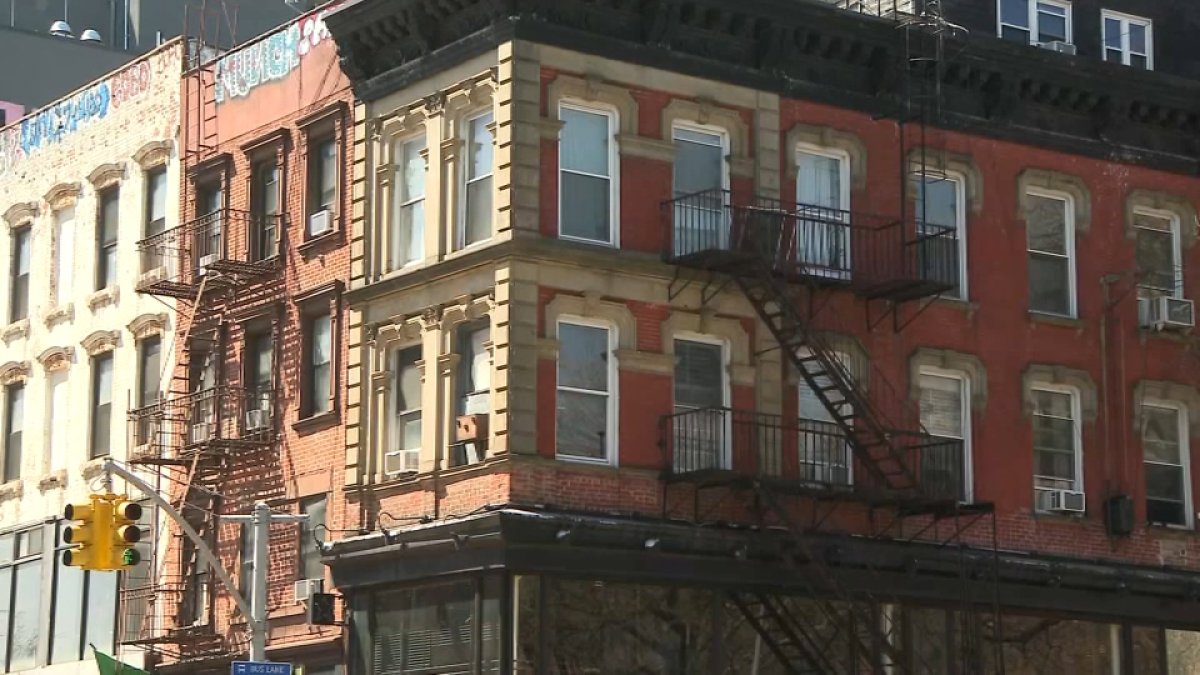
New York City’s Rent Guidelines Board is set to make its preliminary vote on allowable rent increases for approximately one million rent-stabilized apartments across the five boroughs in the coming weeks. The meeting comes after a final round of public testimony from tenants and landlords urging the board to consider their financial pressures ahead of the decision.
Tenants described ongoing housing quality issues and rising living costs as reasons to freeze rents, while landlords emphasized the need for revenue to maintain aging buildings. The board’s vote will determine the percentage increase allowed for one- and two-year leases starting later this year, directly affecting housing affordability for a significant portion of New York City’s rental market.
Elisa Martinez, a rent-stabilized tenant, shared her experience with persistent building maintenance problems during the public comment period. “My bathroom ceiling has collapsed about seven or eight times, each time with a band-aid repair,” Martinez said. “That’s why we’re out here demanding a rent freeze.” Her testimony highlighted concerns about deferred repairs in stabilized housing despite ongoing rent payments.
Other tenants pointed to broader economic pressures influencing their housing burden. Sumathy Kumar noted the cumulative impact of everyday expenses, stating, “You go to Walgreens and you’re spending like $100 on basic things, and it all adds up.” These comments reflect tenant arguments that stagnant wages and inflation make any rent increase untenable, even modest ones.
Landlord representatives countered that rent revenue is essential for covering operational and capital costs in older buildings. Jose Tur, who owns and manages two buildings in Washington Heights with a total of 45 units, described his financial situation after expenses. “At the finish of the month, after he covers his expenses, he probably makes about $90 per unit,” according to his comments during the hearing. Tur added that rising costs for maintenance, repairs, and reserves have made financial planning increasingly challenging for modest property owners.
Ann Korchak, board president of the Small Property Owners of New York, reinforced the landlord perspective during the proceedings. “They are ancient buildings that need roofs, that need to be replaced, boilers upgraded and just the day to day maintenance of these old buildings. And the way we get revenue for these building is through rent, rent has to rise to cover those expenses,” Korchak said. Her remarks underscored the argument that rent increases are necessary to prevent further deterioration of the city’s aging housing stock.
The Rent Guidelines Board, a nine-member mayoral-appointed panel, meets annually to set the maximum permissible rent increases for rent-stabilized apartments under New York City’s rent regulation system. These units represent roughly half of the city’s rental market and are subject to specific renewal and eviction protections not available in market-rate housing.
In its most recent decision in June 2025, the board approved a 3% increase for one-year leases and a 4.5% increase for two-year leases, effective for leases signed on or after October 1, 2025. That vote followed a contentious public hearing where tenant advocates and landlord groups presented opposing views amid a heated mayoral race.
Zohran Mamdani, the Democratic nominee for New York City mayor, made a four-year rent freeze a central pledge of his campaign. While Mamdani appointed six of the board’s nine members following his primary victory, the board operates as an independent entity, and his appointments do not guarantee alignment with his campaign promise. Mamdani has previously protested rent increase votes, including being arrested outside the board’s 2024 meeting.
The board’s upcoming preliminary vote will initiate a formal process that includes a public comment period before a final decision is made later in the summer. Any approved increases would take effect for leases signed beginning in October, continuing the annual cycle of rent guideline adjustments that have shaped New York City’s rental landscape for decades.