
The ambitious Artemis II mission, aiming to send astronauts further into space than ever before, has encountered a surprisingly terrestrial problem: Microsoft Outlook. Just seven hours into the flight, Commander Reid Wiseman reported issues with the email client, highlighting the challenges of maintaining everyday technology functionality even in the most extraordinary circumstances. The incident underscores the reliance of modern space travel on familiar software and the potential for unexpected glitches to disrupt even the most meticulously planned missions.
The issue surfaced as Wiseman informed mission control in Houston that both Outlook installations on his Personal Computing Device (PCD) were unresponsive. “I also witness that I have two Microsoft Outlooks and neither one of those are working,” he stated, requesting remote assistance. PCDs are specialized laptops or tablets crucial for the four-person crew to manage tasks, including accessing email and interacting with mission data, throughout the 10-day lunar flyby. The situation prompted a response from ground control, who initiated a remote login to diagnose and resolve the problem. The audio communication ended before a resolution was confirmed, leaving unanswered the age-old question of whether a simple reboot was suggested.
Outlook in Orbit: A Familiar Frustration in an Unfamiliar Setting
This isn’t merely a quirky anecdote; it’s a demonstration of how deeply integrated everyday software is into even the most advanced technological endeavors. The Artemis II mission, a cornerstone of NASA’s broader Artemis program, represents a significant leap forward in space exploration, with the goal of establishing a sustainable human presence on the Moon and eventually, Mars. However, the mission’s success isn’t solely dependent on cutting-edge rocket science and innovative spacecraft design. It also relies on the seamless operation of the software that astronauts use for communication, data analysis and mission management. The fact that a common software issue like an Outlook malfunction could arise during such a critical mission highlights the complexities of maintaining a functional digital environment in space.
The incident has sparked a wave of discussion about the choice of Outlook for such a high-stakes environment. Even as the specifics of why Outlook was selected remain unclear, it’s likely due to its widespread use within NASA and its compatibility with existing infrastructure. However, the incident raises questions about whether alternative, potentially more robust, email solutions might be better suited for the unique demands of space travel. Some have jokingly suggested Gmail as a potential alternative, particularly given its ability to customize user names, but the reality is far more complex, involving security protocols, data management, and integration with existing systems.
Beyond Email: The Role of PCDs in the Artemis II Mission
The PCDs themselves are a critical component of the Artemis II mission. These aren’t standard consumer laptops; they are ruggedized, space-qualified devices designed to withstand the harsh conditions of space travel. They serve as the primary interface between the astronauts and mission control, providing access to vital information, communication tools, and data analysis software. Astronauts use PCDs to review flight plans, monitor spacecraft systems, and document their observations. They also use them to communicate with family and friends back on Earth, maintaining a crucial link to home during their extended mission.
Commander Wiseman was observed using one of the PCDs shortly before the launch, and eagle-eyed NASA fans quickly noted his passcode, a detail that quickly circulated online. This seemingly minor detail underscores the level of public interest in the mission and the transparency with which NASA is sharing information. The PCDs are not just tools for work; they are also personal devices that allow astronauts to maintain a sense of normalcy during their time in space.
Troubleshooting in Space: A Unique IT Challenge
Resolving technical issues in space presents unique challenges. Remote access is possible, as demonstrated by mission control’s attempt to log into Wiseman’s PCD, but the latency of communication and the limited bandwidth available can craft troubleshooting difficult. The physical environment of space – including microgravity and radiation – can affect the performance of electronic devices.
The specific cause of the Outlook malfunction remains under investigation. Possible explanations include software bugs, conflicts with other applications, or issues with the network connection. According to reporting from Wired, potential causes being considered include third-party add-ins, such as Trello or Zoom, or exceeding OneDrive storage limits with large files, like the 6-hour, 22-minute launch coverage video. Microsoft and NASA are both investigating the incident, seeking to understand the root cause and prevent similar issues from occurring in the future.
Recent Outlook Issues on Earth Mirror Space Troubles
Interestingly, the timing of the Artemis II Outlook issue coincides with reported problems with Outlook on Earth. Recent reports indicate that a bug in Outlook Classic, triggered by a Teams Meeting add-in, caused the email client to crash, preventing users from sending emails. BornCity reported on this issue, highlighting the ongoing challenges with Microsoft’s email client. This parallel suggests that the problem experienced by Commander Wiseman may not be unique to the space environment, but rather a symptom of broader issues within the Outlook software itself.
WinFuture reported that Outlook Classic has been experiencing issues with email sending, further demonstrating the software’s recent instability. These terrestrial problems add another layer of complexity to the Artemis II situation, raising questions about the overall reliability of Outlook as a critical communication tool.
Other Mission Hiccups
The Outlook issue isn’t the only challenge the Artemis II crew has faced since liftoff. Reports indicate a clog in the spacecraft’s high-tech toilet, requiring ground teams to develop instructions for clearing the blockage. According to The New York Post, NASA spokesperson Gary Jordan confirmed the toilet fan jam during live mission commentary. These seemingly minor issues, while not life-threatening, demonstrate the myriad of challenges that astronauts face during space travel and the importance of meticulous planning and rapid problem-solving.
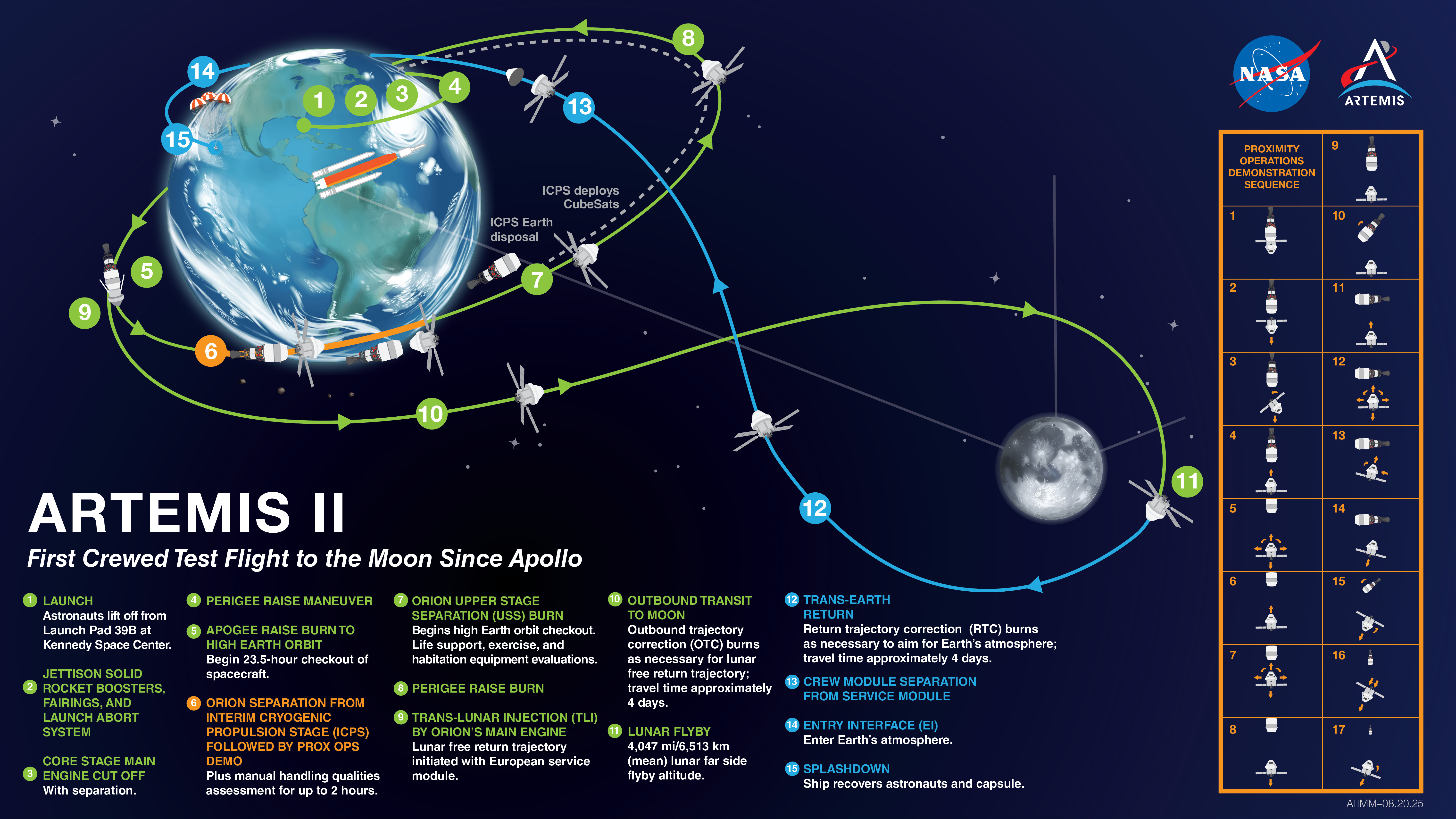
The Artemis II mission is currently orbiting the Moon and Earth during its 10-day voyage. The crew is conducting a series of tests and experiments designed to prepare for future lunar landings and longer-duration space missions. The successful resolution of the Outlook issue, along with any other technical challenges that may arise, will be crucial to the overall success of the mission.
Key Takeaways
- The Artemis II mission experienced a malfunction with Microsoft Outlook on Commander Wiseman’s PCD just hours into the flight.
- The incident highlights the reliance of space travel on everyday software and the potential for unexpected glitches.
- Microsoft and NASA are investigating the cause of the malfunction, considering factors like add-ins and storage limits.
- The issue coincides with reported Outlook problems on Earth, suggesting broader software instability.
- The Artemis II crew has also encountered a clog in the spacecraft’s toilet, demonstrating the range of challenges faced during space travel.
NASA is expected to provide an update on the status of the Outlook issue and other mission developments during a press conference scheduled for April 7, 2026. Readers interested in following the Artemis II mission can find the latest updates on the NASA website. We encourage readers to share their thoughts and questions about this incident in the comments below.
Related reading