Penang: A Key Battleground in the Fight Against Maritime Crime – New Strategies & Regional Cooperation
Are you aware that seemingly idyllic coastal areas can be hotspots for serious cross-border crime? Penang, Malaysia, a strategically located island state, is increasingly recognized as a crucial point in the network of maritime criminal activity. This article delves into the specific areas within Penang vulnerable to these threats, the latest collaborative efforts to combat them, and what the future holds for regional maritime security.
Penang’s Vulnerable Coastline: Identifying the Hotspots
The Malaysian Maritime Enforcement Agency (MMEA) has pinpointed several locations in Penang as notably susceptible to maritime cross-border crimes. These aren’t random occurrences; they’re strategically targeted areas. Key hotspots include waters near Kuala Muda in the north, and the regions surrounding Nibong Tebal and Balik Pulau in the south.
Specifically, the outer coastal stretches around Balik Pulau are drawing increased attention. Why? syndicates often favor mainland landing points.Island routes present more challenges – stricter enforcement checks and the logistical hurdles of bridge crossings. This makes the mainland a more appealing, albeit riskier, entry point.
Why Penang? A Strategic Hub for Criminal Networks
Penang’s geographical position is the core of the problem. Its close proximity to Indonesia immediately flags it as a major transit point for illicit activities like drug trafficking and human smuggling. but it doesn’t stop there.
Malaysia’s central location within the broader Southeast Asian region elevates Penang’s role as a stopover for criminal organizations before they extend operations further afield.As Rear Admiral Mohd Zawawi Abdullah of the MMEA notes, Penang is a “key identified area,” alongside other states bordering the vital Malacca Strait. It’s not just a migrant route; it’s a conduit for a diverse range of criminal enterprises. Malacca Strait Patrols provide further context on regional security efforts.
Operation Redback 21/2025: Strengthening Regional Defenses
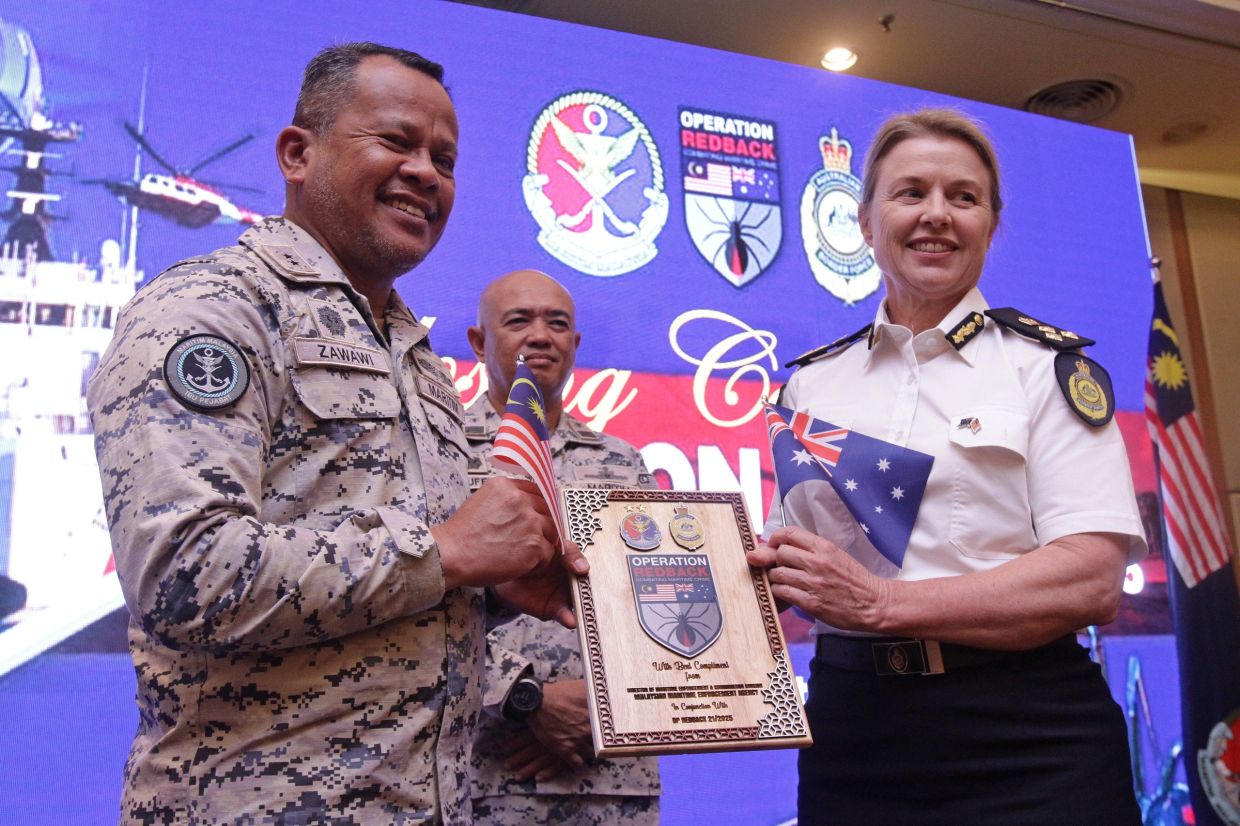
Recent collaborative efforts, like Operation Redback 21/2025 (held November 24-28), demonstrate a proactive approach to tackling these challenges. This joint operation between the MMEA and the Australian Border Force (ABF) focused on knowledge-sharing, realistic simulation exercises, targeted enforcement operations, and crucial engagement with local fishing communities.
The operation involved 141 MMEA personnel and 10 ABF officers, highlighting the commitment to a unified response. But the real meaning lies in the newly signed memorandum of Understanding (MoU) between the MMEA and ABF.
A New Era of Cooperation: The Malaysia-Australia MoU
This MoU isn’t just a symbolic gesture. It’s a concrete commitment to enhance maritime cooperation, including:
* joint Training: Equipping personnel with the latest skills and techniques.
* Collaborative Research: Deepening understanding of evolving criminal tactics.
* Intelligence Sharing: Providing a crucial advantage in anticipating and disrupting illegal activities.
Linda Capello, Deputy Commander of the ABF, rightly described the mou as a “milestone” in Malaysia-Australia relations, reflecting a shared vision for regional maritime security. this partnership is vital, as transnational crime requires a transnational response.
The rising tide of Maritime Crime: Recent Trends & Statistics
Maritime crime is evolving. According to a recent report by the Regional Cooperation Agreement on Combating Piracy and Armed Robbery against Ships in Asia (ReCAAP) CSC, while incidents of piracy have decreased overall in 2023, incidents of sea robbery - particularly in Southeast Asian waters – are on the rise. This shift suggests a move towards less overt, but equally dangerous, criminal activities.
Moreover, a 2024 study by the United Nations Office on Drugs and Crime (UNODC) highlights a concerning increase in the use of sophisticated technology – including encrypted communication apps and dark web marketplaces – by criminal syndicates operating in the region. This underscores the need for continuous adaptation and investment in advanced counter-crime capabilities.
Practical Steps for Coastal Communities & Travelers
What can you do? Here are a few actionable steps:
* Report suspicious Activity: If you observe anything unusual while at sea or along the coast, report it immediately to the MMEA.
* Be Vigilant: Travelers should be aware of their surroundings and report any concerns to local authorities
Worth a look
- How Time 3.0 is Transforming TIME: AI, Global Expansion, and Diversified Revenue
- 20,000 Hidden Geoglyphs Reveal Densely Populated Pre-Columbian Amazon Rainforest
- FIFA World Cup Investment Plan Sparks Controversy and UEFA Boycott Threats (newsdirectory3.com)
- Why Nighttime Heat Is Rising Faster Than Daytime Highs in US Cities (daybreakwire.com)