
Peru is facing a period of intense political uncertainty following the first round of the 2026 presidential elections. While early results indicate a path toward a runoff, the process has been marred by allegations of irregularities and a high-stakes battle for the second spot in the final vote, leaving the nation in a state of electoral limbo.
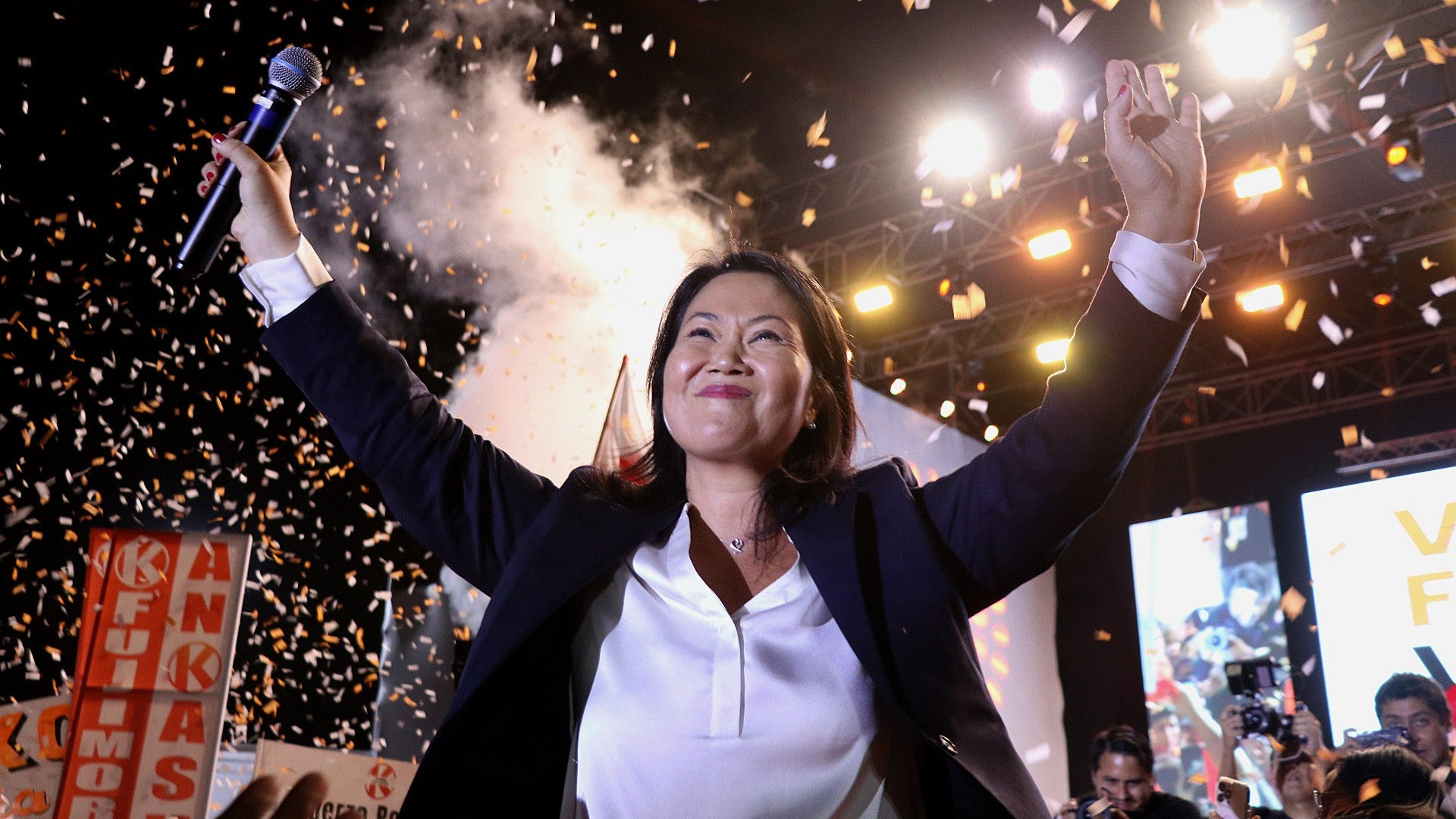
According to reports from the National Office of Electoral Processes (ONPE), Keiko Fujimori of the Fuerza Popular party has emerged as the leading candidate. With 72.262% of the official minutes counted, Fujimori leads the vote, particularly in the north and the jungle regions, though her support is notably lower in the southern Andean regions and the central highlands Infobae.
Despite her lead, the path to the presidency remains precarious. In some reports, Fujimori has reached approximately 16.9% of valid votes with 51.6% of the minutes scrutinized El Comercio. However, the identity of her opponent for the second round is not yet confirmed, as a technical tie persists among four candidates vying for the remaining spot CNN Español.
The tension has escalated as one of the most voted candidates has called for the “nulidad” (nullity) of the presidential elections, citing alleged fraud. This demand for the annulment of the results adds a layer of volatility to a country that has seen eight different presidents occupy the Government Palace over the last decade CNN Español.
The Current Electoral Standings and Regional Divide
The 2026 electoral process saw Peruvians choosing from a massive field of 35 candidates. The resulting fragmentation has left the country without a clear, decisive winner in the first round, prolonging the political crisis that has defined the last ten years.
The official count by ONPE reveals a stark geographic divide in voter preference. Keiko Fujimori’s strength is concentrated in nine regions of the country, specifically dominating the northern territories and the Amazonian jungle. Conversely, her percentages drop significantly in the southern highlands and the central sierra Infobae.
In the region of Cajamarca, as of April 15, 2026, with 84.080% of the minutes counted, the results show a highly competitive field:
- Keiko Fujimori: 16.893%
- Rafael López Aliaga: 12.026%
- Roberto Sánchez: 11.824%
- Jorge Nieto: 11.190%
- Ricardo Belmont: 10.155%
- Carlos Álvarez: 7.839%
These figures are based on the official report updated at 02:30 on April 15, 2026 Infobae.
Allegations of Fraud and Calls for Annulment
The stability of the transition is currently threatened by claims of electoral fraud. One of the top candidates has publicly requested that the elections be declared null, arguing that the process was compromised. This move has sparked immediate tension across the political spectrum, as candidates and supporters clash over the legitimacy of the ONPE tallies.
The slow pace of the scrutiny has contributed to this instability. A significant portion of the remaining votes to be counted originate from rural areas, which analysts suggest could potentially shift the current trends and alter who qualifies for the second round CNN Español.
For many Peruvians, this cycle represents a critical junction. The hope for stability and security has been clouded by these reported irregularities, leaving the electorate wondering if the 2026 vote will finally end the decade-long political turmoil or further deepen the divide.
Fujimori’s Strategy for Governance
Aware of the fragility of the current political climate, Keiko Fujimori has already begun positioning herself as a stabilizing force. Following the preliminary results, the leader of Fuerza Popular expressed her willingness to build “bridges of dialogue” with the various political forces that will craft up the new Congress Infobae.
Fujimori has emphasized the necessity of stability and governability, stating that her party will seek consensus to drive urgent reforms. Her stated goal is to avoid the “legislative paralysis” that plagued previous administration periods. By calling for unity and the abandonment of partisan interests for the national welfare, Fujimori aims to establish her party as a central actor in the legislative agenda for the coming five-year term Infobae.
What Happens Next?
The immediate focus remains on the finalization of the vote count by ONPE. The confirmation of the second candidate for the runoff is the most pressing issue, as the technical tie between the remaining top contenders must be resolved. Until the official results are certified and any legal challenges regarding “nulidad” are adjudicated, Peru remains in a state of electoral suspense.
The next critical checkpoint will be the official announcement by the electoral authorities confirming the two candidates who will face off in the second round of the presidential elections.
We invite our readers to share their perspectives on the Peruvian political crisis in the comments below and share this report as more updates emerge.
Related reading