
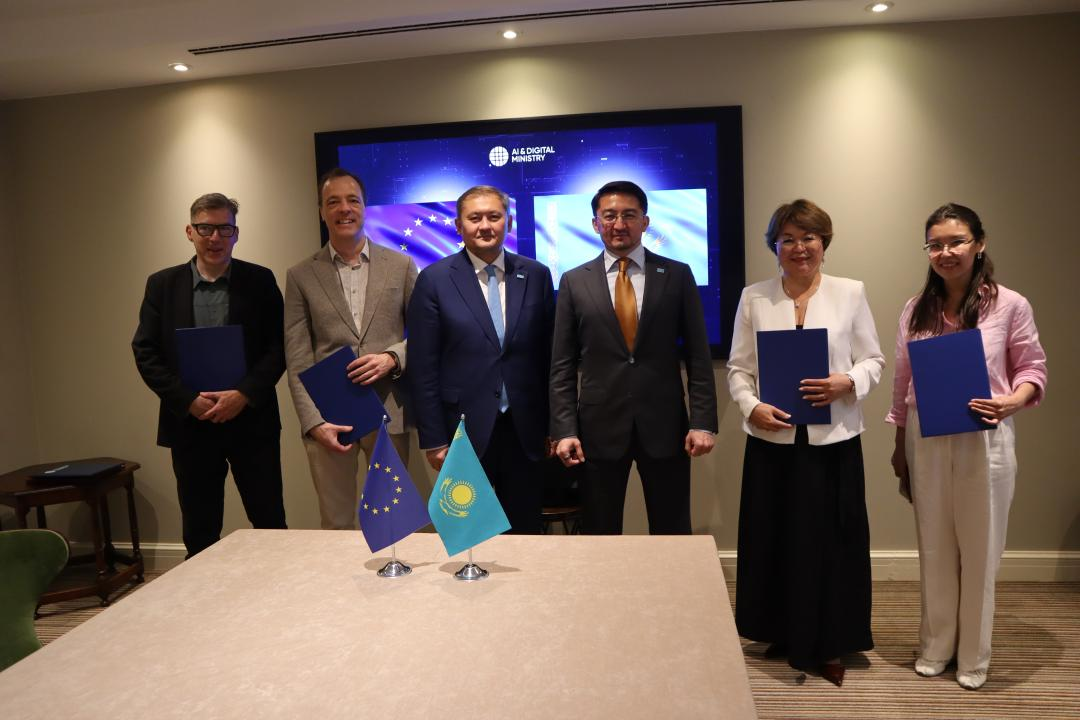
Kazakhstan and the European Union have formalized new agreements to deepen cooperation in the fields of science, higher education, and technical research. The framework for these initiatives was established during high-level diplomatic engagements in Brussels, aimed at aligning Kazakhstan’s academic standards with the European Higher Education Area and fostering collaborative research on sustainable energy and green technologies.
The expansion of these partnerships follows a series of bilateral meetings between representatives of the Kazakh government and European Commission officials. According to the Ministry of Science and Higher Education of the Republic of Kazakhstan, the agreements prioritize student mobility, joint research projects, and the integration of Kazakh universities into European academic networks. This strategic pivot is intended to modernize Kazakhstan’s research infrastructure by leveraging EU institutional expertise and funding mechanisms.
Strategic Alignment with European Academic Standards
The core of the new cooperation framework focuses on the harmonization of educational qualifications and the promotion of dual-degree programs. By adopting elements of the Bologna Process—a series of ministerial meetings and agreements between European countries to ensure comparability in the standards and quality of higher-education qualifications—Kazakhstan seeks to increase the international competitiveness of its graduates. The Ministry of Science and Higher Education has emphasized that these partnerships are specifically designed to bridge the gap between academic output and the requirements of the global labor market.
European Union representatives have underscored the importance of the Erasmus+ program in this regional strategy. Kazakhstan has been an active participant in Erasmus+ for over a decade, with thousands of students and academic staff having completed mobility exchanges. The new agreements aim to broaden the scope of these exchanges, specifically targeting cooperation in technical fields such as engineering, environmental science, and digital transformation.
Joint Research Initiatives and Green Technology
Beyond student exchanges, the agreements place a heavy emphasis on scientific research. The focus has been directed toward joint laboratories and collaborative projects that address global challenges, particularly in the energy sector. Given the European Union’s commitment to the European Green Deal, there is a clear alignment with Kazakhstan’s own goals for decarbonization and sustainable development. The Ministry of Science and Higher Education noted that the collaboration will involve shared research into rare earth elements, renewable energy storage, and climate-resilient agriculture.

This scientific diplomacy is supported by the Horizon Europe program, the EU’s key funding mechanism for research and innovation. By facilitating closer ties between Kazakh research institutes and European counterparts, the government of Kazakhstan aims to increase the volume of international publications and patent filings originating from its domestic universities.
Impact on the Kazakh Higher Education Sector
The implementation of these agreements is expected to impact dozens of universities across Kazakhstan. For students, the primary benefit lies in the increased accessibility of short-term study abroad programs and the potential for credits to be recognized across borders, reducing the barriers to international academic mobility. For academic institutions, the focus is on capacity building—modernizing curricula and adopting the research methodologies prevalent in the European Union.
Institutional stakeholders are currently working on a roadmap to define the specific administrative procedures required to activate these partnerships. According to official government statements, the Ministry of Science and Higher Education is overseeing the alignment of internal legislative frameworks to ensure that the new agreements can be integrated into the existing national education strategy without administrative friction.
Future Developments and Next Steps
The next phase of this cooperation will involve the establishment of a joint monitoring committee tasked with tracking the progress of ongoing research projects and the distribution of educational grants. Both parties have scheduled subsequent follow-up meetings to review the performance metrics of the mobility programs and to adjust the scope of research collaboration based on emerging technical needs.

Updates regarding specific project calls and scholarship opportunities will be published on the official portal of the Ministry of Science and Higher Education of the Republic of Kazakhstan. As these programs move from the planning stage to implementation, the international academic community can expect further announcements regarding the launch of specific joint research centers in Astana and Brussels.
We invite our readers to share their thoughts on the impact of international educational cooperation in the comments section below. Stay tuned to World Today Journal for further updates as these agreements progress into the implementation phase.