
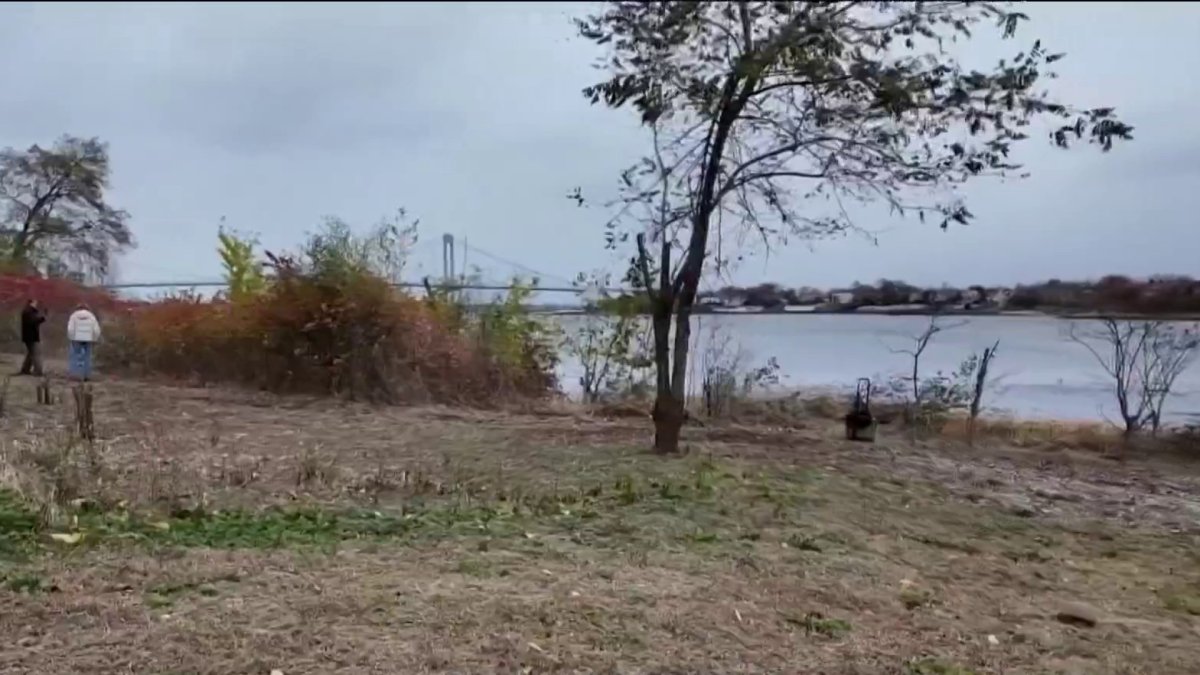
Queens Park Under Siege: Illegal Tree Cutting & Waterfront Views spark Community Conflict
Have you noticed changes to your local parks? Are waterfront views suddenly appearing where dense foliage once stood? A growing concern is emerging in the College Point neighborhood of Queens, New York, where residents are accused of illegally clearing trees in Powell’s Cove Park, allegedly to enhance their backyard waterfront views. This isn’t just about aesthetics; it’s a complex issue involving property rights, environmental preservation, and the responsible use of public land. This article dives deep into the situation, exploring the details, potential consequences, and what’s being done to address this escalating problem.
The Disappearing Trees of Powell’s Cove Park
Powell’s Cove Park, a valuable green space along the shoreline, is known for its lush vegetation and tranquil atmosphere. Though, recent discoveries have revealed a disturbing trend: unauthorized clearings appearing along the park’s walking paths. These aren’t natural openings; they’re the result of intentional tree removal, creating unobstructed views of the Whitestone Bridge for some homeowners.
“This should not be like this. This should be very wooded,” explains Kathryn Cervino, a dedicated member of the Coastal Preservation Network, a group actively involved in maintaining the park. Cervino’s observation highlights the stark contrast between the park’s intended state and its current condition.
A Firsthand Account of Illegal Activity
the issue came to light earlier in November when Cervino encountered a resident actively cutting down trees. “I came across somebody with a saw and a ladder, sawing the limbs off of trees and throwing them over on to the coastline, which was horrifying,” she recounts. This wasn’t a one-time incident; it appears to be a pattern of unauthorized trimming and tree removal.
Homeowner’s Defense & The Gray Area of Property Lines
When contacted by NBC New York, homeowner Manuel Rueda offered a different outlook. He claims he was simply removing bamboo that was encroaching on his property and threatening the foundation of his home. Rueda stated he had contacted the city multiple times over several months, receiving no response, and ultimately took matters into his own hands. “I had to do it for my land,” he explained.
This situation raises a critical question: where does a homeowner’s right to protect their property end and the city’s duty to protect public land begin? The ambiguity surrounding property lines and the slow pace of city response seem to have fueled a sense of frustration and, ultimately, illegal action.
The Legal Ramifications: Fines & Potential Charges
Cutting down trees on city property carries notable consequences. According to the NYC Parks Department, individuals caught illegally removing trees can face fines of up to $15,000. Despite evidence of tree removal and the construction of a retaining wall on public land, as of this reporting, no one has been charged or fined.
Though, the Parks Department has assured the community that increased patrols are planned, and the damage has been reported to the NYPD for further examination. This suggests a heightened level of enforcement is on the horizon.
NYC Parks Department Response & The Value of Urban Green Spaces
the NYC Parks Department recognizes the vital role trees play in the city’s ecosystem and quality of life. A representative stated, “Our trees are a vital resource and an enormous value to our city. Damaging or destroying them is illegal and represents not only a loss of natural resources but undermines the efforts of parks staff and volunteers who care for our outdoor spaces.”
This statement underscores the importance of preserving urban green spaces, which provide numerous benefits, including:
* Environmental Benefits: Trees absorb carbon dioxide, release oxygen, and help mitigate the urban heat island effect.
* Ecological Benefits: Parks provide habitats for wildlife and contribute to biodiversity.
* Social Benefits: Green spaces offer recreational opportunities, promote physical and mental well-being, and foster a sense of community.
* Economic Benefits: Parks can increase property values and attract tourism.
NYC Parks department Website – Official source for information on NYC parks and conservation efforts.
A Growing Trend & the Risk of Normalization
Cervino fears this issue could escalate if left unchecked. “It’s becoming a situation, I think, where one neighbor sees the next neighbor do it, and it’s becoming sort of OK to them. But, taking of any public land is illegal. You can’t just redesign a park space even if it is bordering your backyard,” she warns.
The normalization of illegal activity poses a significant threat to the integrity of public parks and the principles of responsible land





