
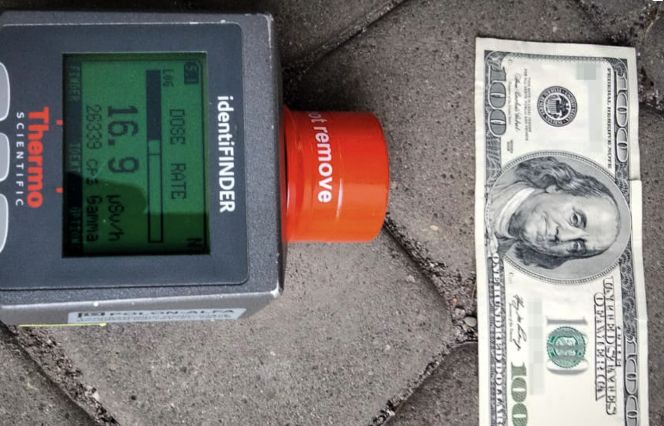
A 54-year-old Ukrainian woman was stopped by Polish border guards in Medyka on April 17, 2026, after a routine radiometric check revealed a strongly radioactive US $100 banknote in her luggage. The incident occurred at the Medyka border crossing, where authorities detected radiation levels 1,905 times higher than permissible limits during screening of nearly $10,000 in cash the woman was carrying.
The woman, attempting to enter Poland from Ukraine, was detained when the radiometric alarm triggered as she passed through the checkpoint. Border guards from the Bieszczadzki Oddział Straży Granicznej conducted a detailed inspection of her belongings using specialized equipment, which identified the source of radiation as a single US $100 bill. Verification with mobile equipment confirmed the extreme radiation levels, prompting immediate safety protocols.
According to Lieutenant Piotr Zakielarz of the Bieszczadzki Oddział SG, the radioactive isotope detected on the banknote is typically used in medical applications. The woman stated that the money was intended for purchasing a car, though this detail remains part of the ongoing investigation. She was denied entry into Poland, and the banknote was secured in a specialized container for further analysis by the Państwowa Agencja Atomistyki (Polish Atomic Agency).
The incident highlights the effectiveness of Poland’s radiometric screening systems at border crossings, which are designed to detect unauthorized transport of radioactive materials. Such checks are standard procedure for all individuals crossing the border, particularly in response to heightened security concerns regarding illicit trafficking of hazardous substances.
No health risks were reported to border personnel or the public as a result of the detection, thanks to the prompt containment measures. The radioactive banknote is now under the control of national atomic energy authorities, who will determine its origin and assess whether it poses any broader safety concerns.
This case follows a pattern of increased vigilance by Polish authorities at eastern border crossings, particularly in light of regional security developments. Similar incidents involving unusual cargo or documentation have been reported in recent months, though none previously involved radioactive currency.
The woman was turned back at the border and returned to Ukraine. No charges have been filed against her at this stage, as the investigation continues into how the banknote became contaminated and whether the transport was intentional.
Officials from the Straż Graniczna have emphasized that their radiometric screening systems remain fully operational and are regularly calibrated to detect even minute levels of radiation. The Medyka crossing, one of the busiest land border points between Poland and Ukraine, processes thousands of travelers daily.
As of the latest update, the Państwowa Agencja Atomistyki has not released further details about the isotopic composition of the contamination or the potential source. The investigation remains active, with coordination between border guards, nuclear safety agencies, and international partners.
For ongoing updates on this incident and related border security measures, the public is advised to consult official communications from the Straż Graniczna and the Państwowa Agencja Atomistyki.
What are your thoughts on how border security agencies handle unusual detections like this? Share your perspective in the comments below and help spread awareness by sharing this article with your network.