The launch of the Nintendo Wii is often remembered as a watershed moment in gaming, transforming the living room into a digital sports arena. Although, the decision to include Wii Sports
as a pack-in title—a move that fundamentally drove the console’s mass-market appeal—was not a foregone conclusion. It was, in fact, the result of a high-stakes internal struggle between the corporate strategy of Nintendo of America and the creative philosophy of Nintendo’s headquarters in Japan.
In his memoir, Disrupting the Game: From the Bronx to the Top of Nintendo, former President of Nintendo of America Reggie Fils-Aimé reveals the friction that occurred when he pushed for the software to be bundled for free with the hardware. The conflict pitted the American executive’s desire for a “complete experience” against a rigid corporate culture that viewed software as a precious commodity not to be given away.
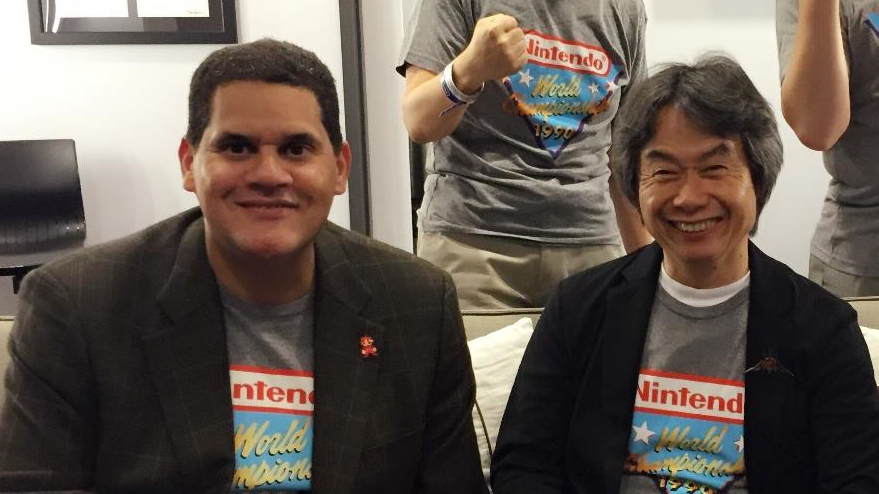
The tension reached a peak during meetings with the company’s most revered figures, including the legendary Shigeru Miyamoto and then-President Satoru Iwata. While the bundle eventually became a cornerstone of the Wii’s success, the path to that decision involved a rare moment of visible frustration from Miyamoto, who famously resisted the idea of “giving away” the company’s hard work.
The Clash of Philosophies: “We Do Not Give Away Our Software”
The core of the disagreement rested on a fundamental difference in how software value was perceived. Reggie Fils-Aimé argued that for the Wii to penetrate the non-gamer market, users needed an immediate, intuitive way to experience the motion controls. He believed Wii Sports
was the perfect vehicle for this. However, the initial response from President Satoru Iwata was a firm rejection, stating, Nintendo does not give away precious content for free
.
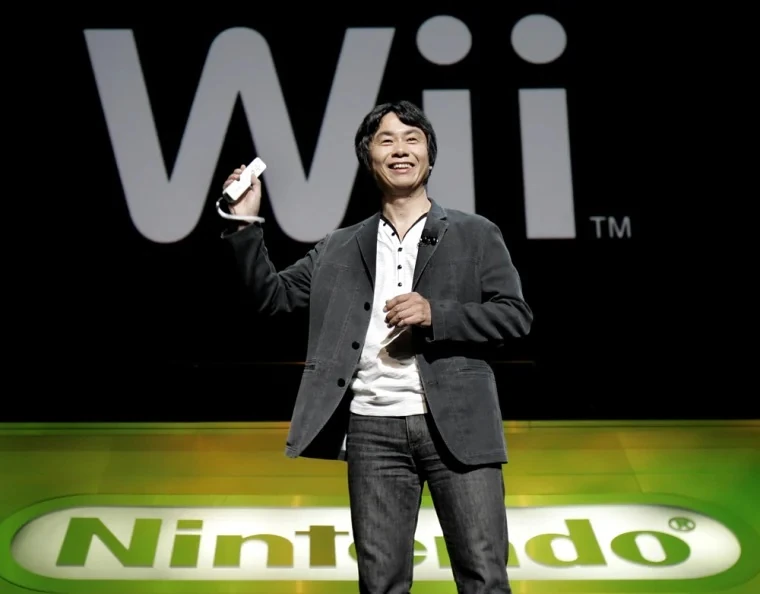
As the discussions progressed, Shigeru Miyamoto attempted to find a middle ground by proposing an early version of Wii Play as the bundle alternative. Fils-Aimé, however, remained steadfast, countering that Wii Play did not offer the same “complete experience” as Wii Sports. He suggested instead that the software could be bundled with a Wii Remote as a separate retail package.
This rejection of Miyamoto’s alternative proposal led to a rare display of emotion from the game designer. According to Fils-Aimé, the usual impish smile and squint of Miyamoto’s eyes vanished, replaced by a “fulminante” or piercing look of disapproval.
“Neither of you understands the challenges of creating software that people love to play. This is something we constantly push ourselves to do. We do not give away our software.” Shigeru Miyamoto
A Strategic Pivot for the Western Market
Despite the friction, the disagreement was a catalyst for a broader strategic realization. Satoru Iwata began to recognize that the marketing strategies required for Western markets often differed fundamentally from the approach used in Japan. This nuance eventually allowed the American team to secure the bundle for the North American and European markets.
The impact of this decision was staggering. While Wii Sports
was sold separately in Japan, it was bundled in all other territories. Because these bundled copies were counted toward software sales, the title became the best-selling Wii game. According to reporting by Nintendo Life, the game reached 82.9 million copies sold against 101.63 million Wii systems sold.
This aggressive bundling strategy helped the Wii transcend the “hardcore gamer” demographic, bringing the console into the homes of seniors, families, and casual users who had never previously owned a gaming system. It validated Fils-Aimé’s belief that the hardware’s value was inextricably linked to the immediate accessibility of its best software.
Key Takeaways: The Wii Sports Bundle Conflict
- The Conflict: Reggie Fils-Aimé fought to bundle Wii Sports for free, while Miyamoto and Iwata initially viewed it as giving away “precious content.”
- The Tension: Shigeru Miyamoto expressed rare visible unhappiness when his alternative proposal (Wii Play) was rejected in favor of Wii Sports.
- The Result: The bundle was greenlit for Western markets, contributing to the Wii’s massive global success.
- The Numbers: Wii Sports became the top-selling Wii game with 82.9 million copies, largely due to the bundling strategy.
The Legacy of “Respectful Disagreement”
Looking back on these events, Fils-Aimé emphasizes that while the conversations were challenging, they were conducted with mutual respect. He describes a culture where strategy could be debated vigorously without damaging professional bonds, particularly noting the strong relationship he maintained with Satoru Iwata.
This era of Nintendo’s history highlights a recurring theme in the company’s evolution: the balance between creative purity and market pragmatism. While Miyamoto’s focus was on the sanctity of the software creation process, Fils-Aimé’s focus was on the user’s first ten minutes with the device. The intersection of these two viewpoints—though friction-filled—created one of the most successful product launches in consumer electronics history.
Since the Wii era, Nintendo has varied its approach to bundling. The Wii U saw Nintendo Land bundled with the “Deluxe” model, and the 3DS featured pre-installed AR software. In contrast, the Nintendo Switch launched without pre-installed games, reflecting a shift toward a more streamlined digital ecosystem and a different set of consumer expectations.
For those interested in the intersection of corporate leadership and creative design, Fils-Aimé’s account serves as a case study in how “disruptive” thinking can overcome established corporate dogma to achieve global scale.
As Nintendo continues to evolve its hardware strategy, industry analysts remain attentive to how the company balances software monetization with hardware adoption. Further updates on Nintendo’s future hardware iterations are expected during their next official financial briefings.
Do you remember the first time you played Wii Sports? Did the bundle create the difference for you? Share your thoughts in the comments below.