
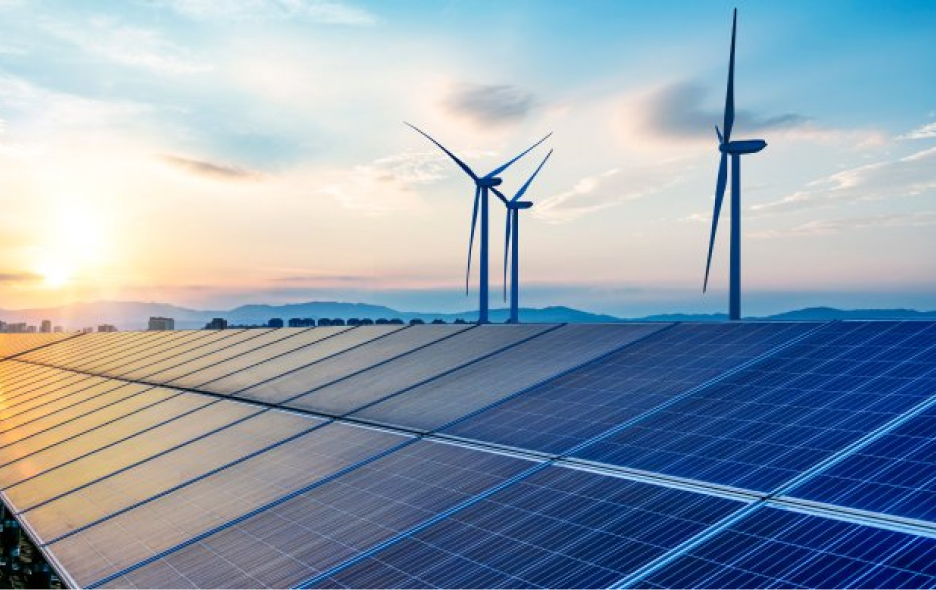
The global transition toward a decarbonized economy has reached a critical inflection point where the speed of energy generation is outstripping the capacity of the infrastructure designed to carry it. For years, the conversation around the energy transition focused almost exclusively on the deployment of wind turbines and solar arrays. However, a shift in priority is now evident: the focus has moved from simply generating “green” electrons to the far more complex task of renewable energy grid integration.
This tension between generation and transmission is the central theme of current industry discourse, most notably highlighted in high-level technical forums such as the “Netz und Erzeugung” (Grid and Generation) conferences. These gatherings underscore a growing realization among engineers and policymakers: without a synchronized acceleration of grid expansion, the ambition of achieving net-zero emissions will be throttled by physical bottlenecks. The “Zeitenwende”—a fundamental turning point—is no longer just a political slogan but a technical mandate to treat energy infrastructure as a cornerstone of national security.
As nations strive to decouple from volatile fossil fuel markets, the concept of “freedom energies” has emerged. This framing positions renewables not merely as environmental tools, but as strategic assets that provide geopolitical resilience. Yet, the transition to a decentralized, weather-dependent power system introduces systemic instabilities that traditional grids were never designed to handle. To solve this, the industry is moving toward a model of “accelerating together,” where the rollout of new power plants is legally and technically tethered to the expansion of the transmission system.
The Grid Bottleneck: Why Generation Alone Is Not Enough
The fundamental challenge of renewable energy grid integration lies in the geography of power. In many regions, the most productive sites for wind and solar are far removed from the industrial centers where electricity is consumed. In Europe, for example, massive wind farms in the North Sea and Northern Germany must send power to the industrial hubs of the South. When the transmission lines cannot handle this volume, the result is grid congestion.
To prevent a total system collapse during periods of overproduction, grid operators employ a process known as “redispatch.” This involves paying generators to scale back production (curtailment) while paying others in different locations to increase output. While this maintains stability, it is an expensive and inefficient stopgap. According to data from the German Federal Network Agency (Bundesnetzagentur), the costs associated with redispatch measures have climbed significantly as the share of renewables in the energy mix has grown, highlighting the urgent need for structural grid expansion.

Beyond congestion, there is the issue of “inertia.” Traditional power plants—coal, gas, or nuclear—use massive spinning turbines that provide natural physical inertia, which helps the grid maintain a steady frequency (usually 50Hz or 60Hz) even when there is a sudden spike in demand or a loss of a generator. Solar panels and wind turbines, which connect via power electronics (inverters), do not provide this inherent inertia. As the percentage of inverter-based resources increases, the grid becomes more “brittle,” making it more susceptible to rapid frequency drops that can lead to widespread blackouts.
Technological Solutions for a Resilient Power System
To combat these instabilities, the industry is deploying a suite of “smart” technologies designed to mimic the stability of traditional plants and optimize the flow of electricity in real-time.
Wide-Area Protection and Control
Modern grids are increasingly relying on Special Protection Schemes (SPS) and Remedial Action Schemes (RAS). These systems provide wide-area situational awareness, allowing operators to detect a failure in one part of the grid and automatically trigger a pre-planned response—such as shedding a specific load or tripping a generator—within milliseconds to prevent a cascading failure. This level of automation is essential for integrating Distributed Energy Resources (DERs), such as rooftop solar and small-scale battery storage, which create a more complex, multi-directional flow of power.

The Role of “Firm” Renewables and Storage
The industry is shifting toward the concept of “firm” renewables—combinations of wind or solar paired with utility-scale battery storage. By buffering the intermittent nature of weather-dependent power, these hybrid plants can provide a guaranteed level of output, effectively acting like a traditional baseload power plant. This reduces the burden on the grid by smoothing out the “duck curve”—the phenomenon where solar production peaks at midday while demand peaks in the evening.
the integration of Long-Duration Energy Storage (LDES) is becoming a priority. While lithium-ion batteries are effective for short-term frequency regulation, technologies such as pumped hydro, compressed air, and green hydrogen are being developed to store energy for days or weeks, ensuring that the grid remains stable even during “Dunkelflaute”—periods of low wind and low sunlight.
Energy Security as a National Security Imperative
The push for renewable energy grid integration is no longer driven solely by climate targets; it is now a matter of national security. The disruption of international energy markets has demonstrated that dependence on imported fossil fuels creates a strategic vulnerability. Transitioning to a domestic, renewable-based system reduces this exposure, but only if the system is resilient enough to withstand both physical and cyber attacks.
The International Renewable Energy Agency (IRENA) has emphasized that the strategic deployment of renewables enhances resilience by diversifying the energy mix and decentralizing production. A decentralized grid, where power is generated closer to where it is used (via microgrids), is inherently more resilient to single-point failures. If a major transmission line is downed, a microgrid can “island” itself, continuing to provide power to critical infrastructure like hospitals and water treatment plants using local generation and storage.
However, this decentralization introduces new cybersecurity risks. Every smart inverter and digital meter is a potential entry point for a cyberattack. The “acceleration” of the grid must include the simultaneous deployment of “security-by-design” protocols, ensuring that the digitalization of the energy sector does not create new vulnerabilities.
Overcoming Regulatory and Social Hurdles
While the technical solutions exist, the primary obstacles to renewable energy grid integration are often regulatory and social. Building a high-voltage DC (HVDC) line can take over a decade due to complex permitting processes and local opposition—often referred to as “NIMBYism” (Not In My Backyard).
To address this, several governments are implementing “acceleration zones” and streamlining environmental impact assessments. The goal is to reduce the time between the planning and commissioning of critical infrastructure. In the European Union, the European Commission has pushed for a more integrated “European Supergrid,” which would allow countries to share renewable surpluses across borders more efficiently, reducing the need for massive over-building of local storage.
The “accelerating together” philosophy suggests a new regulatory framework where the approval of a new wind farm is contingent upon the simultaneous approval of the necessary grid upgrades. This prevents the creation of “stranded assets”—generation plants that are completed but cannot connect to the grid, wasting capital and delaying decarbonization.
Key Takeaways for Grid Modernization
- Synchronization: Generation growth must be matched by transmission expansion to avoid costly redispatch and curtailment.
- Stability: The loss of physical inertia from traditional plants must be replaced by smart inverters and fast-frequency response systems.
- Resilience: Decentralized microgrids and “firm” renewables (solar/wind + storage) reduce vulnerability to systemic failures.
- Policy: Streamlining permitting and creating “acceleration zones” are critical to reducing the lead time for HVDC infrastructure.
What Happens Next?
The next phase of the energy transition will be defined by the successful implementation of “Smart Grid 2.0.” This involves the integration of Artificial Intelligence to predict weather patterns and demand spikes with extreme precision, allowing grid operators to move power proactively rather than reactively.
Industry stakeholders are now looking toward the next round of regulatory updates regarding “Grid Codes”—the technical requirements that generators must meet to connect to the network. These codes are being rewritten to mandate that all new renewable installations provide ancillary services, such as voltage control and frequency support, effectively forcing generators to contribute to the stability of the system they rely on.
The immediate checkpoint for the industry will be the upcoming quarterly reports from national regulators on grid expansion progress. These reports will reveal whether the “accelerating together” strategy is actually reducing the gap between generation and transmission, or if the bottleneck is continuing to widen.
Do you believe the current pace of grid expansion is sufficient to meet 2030 climate goals? Share your thoughts in the comments below or join the discussion on our social channels.