
Escalating Violence in Ukraine: Civilian Casualties Mount as Russia and Ukraine Trade Accusations Over Zaporizhzhia Nuclear Plant
On Monday, April 27, 2026, Ukraine faced a surge of Russian airstrikes and drone attacks, resulting in civilian casualties in the northeastern city of Sumy and the southern port city of Odesa. The attacks came as both sides exchanged accusations over a deadly strike near the Zaporizhzhia Nuclear Power Plant, Europe’s largest nuclear facility, which has been under Russian control since early 2022. The escalation underscores the growing risks of a broader catastrophe as the war enters its fifth year.
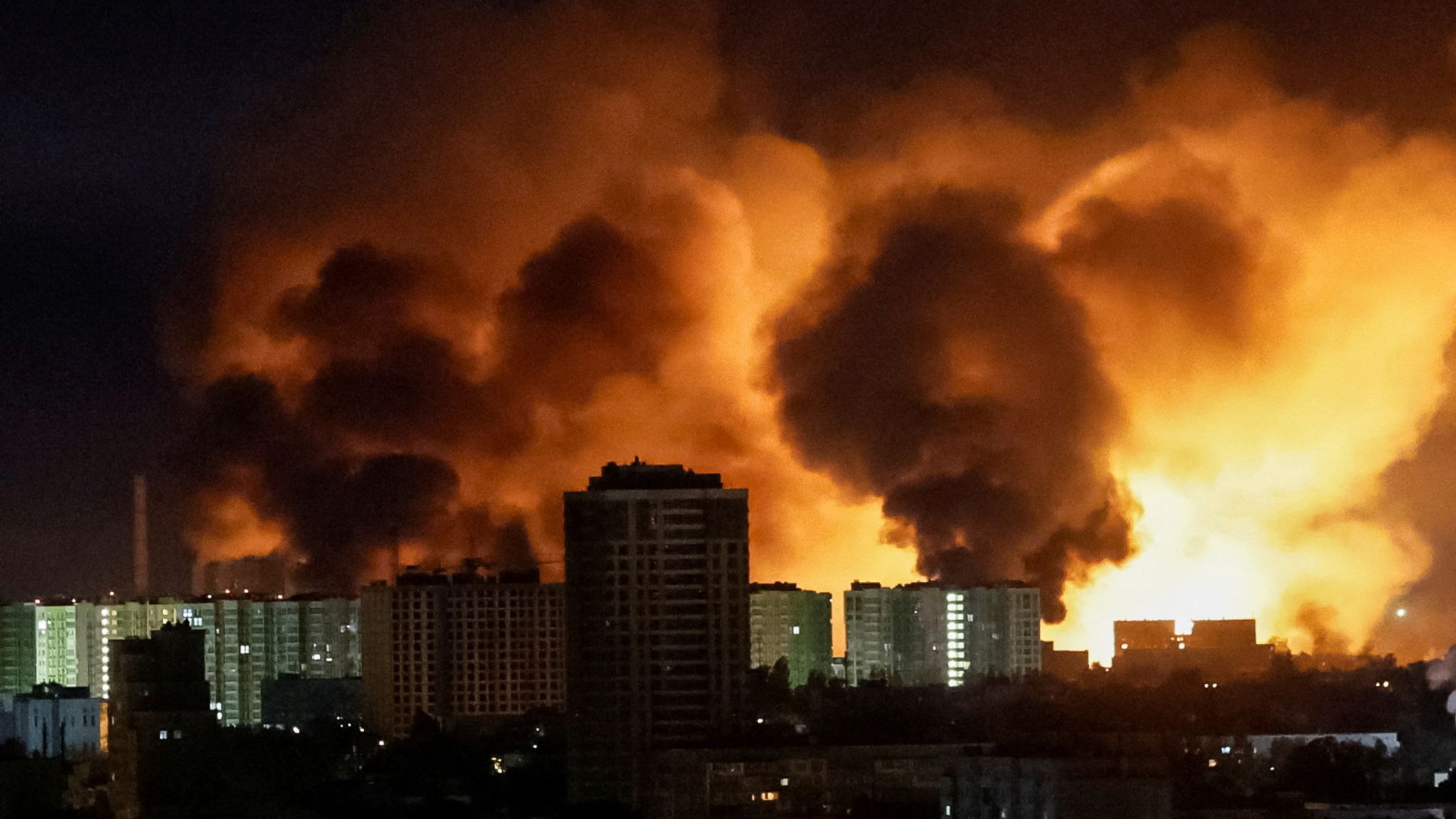
According to Ukrainian officials, Russian forces launched 150 airstrikes on Sumy over the past 24 hours, killing at least two civilians and injuring three others. In Odesa, a nighttime drone attack injured 13 people and damaged residential buildings and port infrastructure, a critical lifeline for Ukraine’s grain exports. Meanwhile, Moscow accused Kyiv of targeting the Zaporizhzhia plant, claiming a Ukrainian strike killed a worker at the facility. Ukraine has not commented on the accusation, but the incident has raised fresh concerns about the safety of the plant, which has been at the center of a nuclear safety crisis since the early days of the war.
The latest violence comes amid a broader pattern of intensified attacks across Ukraine, with both sides accusing each other of violating international law and endangering civilian lives. The Zaporizhzhia Nuclear Power Plant, in particular, remains a flashpoint, with the International Atomic Energy Agency (IAEA) warning that the situation is “unprecedented” and poses severe risks to global nuclear safety.
Civilian Casualties in Sumy and Odesa
In Sumy, a city near the Russian border, Ukrainian authorities reported that Russian forces conducted 150 airstrikes over the past day, resulting in the deaths of two civilians and injuries to three others. The attacks targeted residential areas, further straining a region that has endured repeated bombardments since the start of the war. Sumy Oblast Governor Volodymyr Artyukh confirmed the casualties in a statement on Telegram, describing the strikes as “indiscriminate” and “aimed at terrorizing the civilian population.”
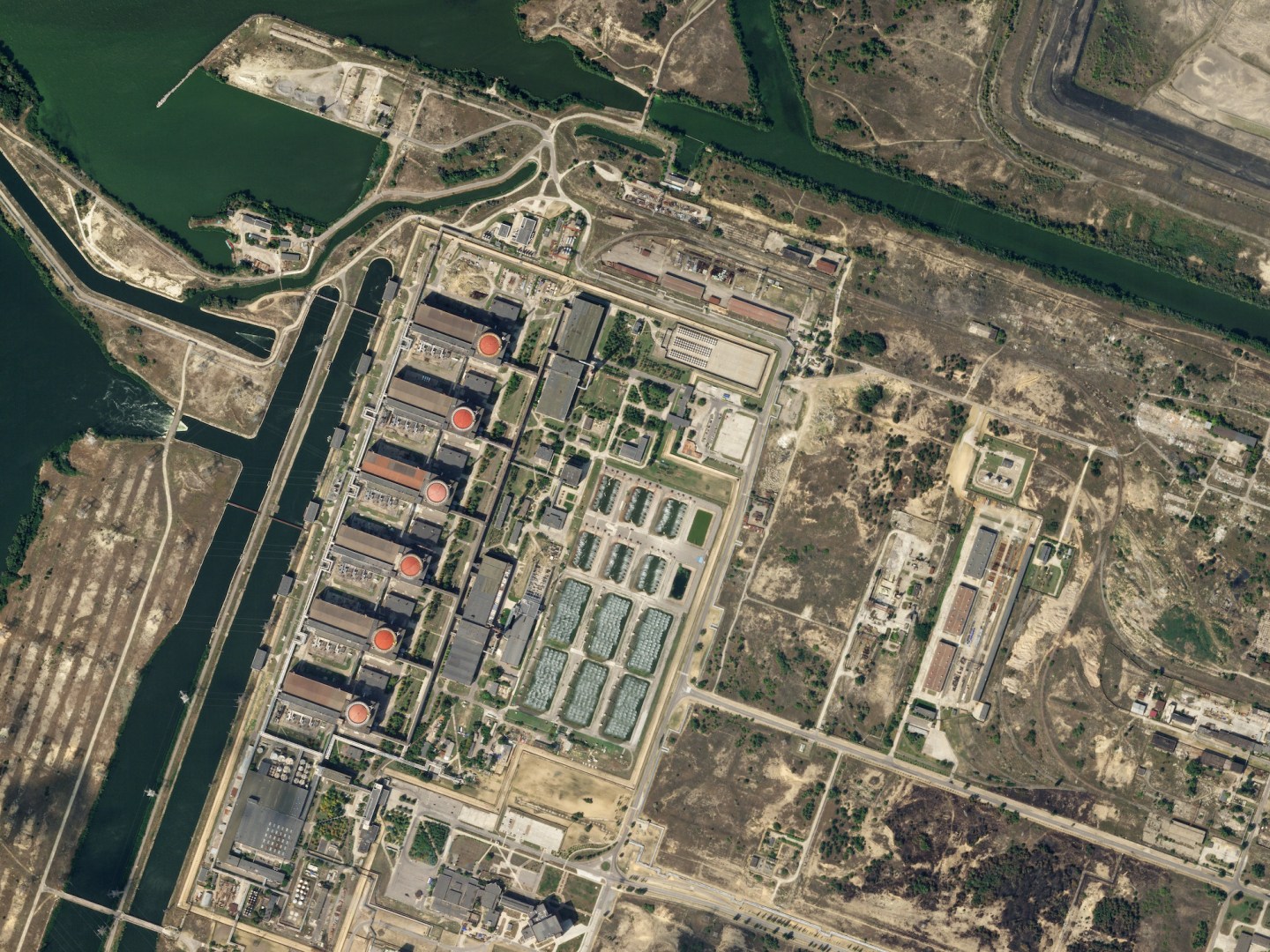
In Odesa, a key port city on the Black Sea, Russian drone attacks overnight injured 13 people and caused significant damage to civilian infrastructure. Odesa’s regional military administration chief, Serhiy Lysak, said the attacks targeted residential buildings and port facilities, disrupting operations at one of Ukraine’s most vital export hubs. The city has been a frequent target of Russian strikes, particularly since Moscow withdrew from the Black Sea Grain Initiative in 2023, a move that has severely impacted Ukraine’s ability to export agricultural products.
Odesa Governor Oleh Kiper added that the attacks also damaged the port’s infrastructure, raising concerns about further disruptions to global food supplies. Ukraine is one of the world’s largest exporters of grain, and Odesa’s ports have been critical in maintaining supply chains amid the war. The latest strikes come just days after the United Nations warned that continued attacks on Ukrainian ports could exacerbate food insecurity in vulnerable regions, including Africa and the Middle East.
Accusations Over Zaporizhzhia Nuclear Plant
Amid the civilian casualties, tensions flared over the Zaporizhzhia Nuclear Power Plant, which has been occupied by Russian forces since March 2022. Moscow accused Ukraine of launching a strike near the plant on Monday, killing a worker and raising fears of a potential nuclear incident. The Russian-controlled administration of the plant claimed the attack was carried out using Western-supplied weapons, though it provided no evidence to support the claim. Ukraine has not responded to the accusation, but Kyiv has previously denied targeting the plant, which remains a critical concern for international nuclear safety agencies.
The Zaporizhzhia plant, which has six reactors, has been a focal point of global concern since the early days of the war. The IAEA has repeatedly warned that the plant’s safety is compromised by ongoing military activity in the area, including shelling and disruptions to power supplies. In a statement last week, IAEA Director General Rafael Mariano Grossi described the situation as “extremely precarious,” noting that the plant has lost external power multiple times since the start of the war, forcing it to rely on emergency diesel generators.
Ukraine has accused Russia of using the plant as a “nuclear shield,” stationing troops and military equipment on the premises and endangering the facility’s safety. Kyiv has called for the demilitarization of the plant and the establishment of a safety zone around it, a proposal that Russia has rejected. The IAEA has been pushing for both sides to agree to a safety protocol, but negotiations have stalled amid the broader conflict.
The Broader Context: A War of Attrition
The latest attacks come as the war in Ukraine enters its fifth year, with no signs of a diplomatic breakthrough. Both sides have accused each other of escalating the conflict, with Russia intensifying its strikes on Ukrainian infrastructure and Kyiv stepping up its efforts to target Russian-occupied territories. The situation in Zaporizhzhia, in particular, highlights the risks of a wider catastrophe, with experts warning that a major incident at the plant could have consequences far beyond Ukraine’s borders.
In a recent report, the IAEA noted that the Zaporizhzhia plant has been subjected to repeated shelling, which has damaged critical infrastructure and disrupted power supplies. The agency has called for an immediate end to military activity near the plant, warning that continued attacks could lead to a nuclear accident. “The situation is unprecedented,” Grossi said. “No other conflict has ever taken place in the vicinity of a nuclear power plant of this size and complexity.”
Ukraine has also accused Russia of using the plant as a base for military operations, a claim that Moscow denies. The plant’s six reactors have been shut down since September 2022, but the spent fuel stored on-site remains a potential hazard. The IAEA has urged both sides to allow its inspectors full access to the plant to assess its safety, but progress has been slow.
International Response and Next Steps
The international community has condemned the latest attacks, with the United Nations and the European Union calling for an immediate cessation of hostilities. UN Secretary-General António Guterres issued a statement on Monday expressing “deep concern” over the escalating violence and urging both sides to respect international humanitarian law. The EU, meanwhile, announced plans to provide additional humanitarian aid to Ukraine, including medical supplies and shelter for displaced civilians.

For its part, Russia has dismissed international criticism, accusing Western countries of fueling the conflict by supplying weapons to Ukraine. Moscow has also repeated its claim that Ukraine is responsible for the strike near the Zaporizhzhia plant, though it has not provided evidence to support the accusation. Ukraine, meanwhile, has called for increased military support from its Western allies, including long-range missiles and air defense systems to counter Russian strikes.
The next critical checkpoint in the conflict will be the upcoming meeting of the IAEA Board of Governors, scheduled for May 5, 2026. The meeting is expected to focus on the safety of Ukraine’s nuclear facilities, including the Zaporizhzhia plant. Grossi has indicated that he will push for a binding agreement between Russia and Ukraine to ensure the plant’s safety, though it remains unclear whether either side will agree to such a deal.
As the war continues, the risks of a wider catastrophe remain high. The Zaporizhzhia Nuclear Power Plant, in particular, remains a ticking time bomb, with the potential to unleash a disaster that could dwarf previous nuclear accidents. For now, the international community can only watch and wait, hoping that diplomacy will prevail before it’s too late.
Key Takeaways
- Civilian casualties: Russian airstrikes killed two people in Sumy and injured 13 in Odesa, damaging residential buildings and port infrastructure.
- Zaporizhzhia plant tensions: Russia accused Ukraine of killing a worker in a strike near the plant, raising fears of a nuclear incident. Ukraine has not responded to the claim.
- IAEA warnings: The International Atomic Energy Agency has described the situation at the Zaporizhzhia plant as “unprecedented” and called for an end to military activity near the facility.
- Global food security at risk: Attacks on Odesa’s port infrastructure threaten Ukraine’s grain exports, which are critical for global food supplies.
- Diplomatic efforts stalled: The IAEA’s push for a safety agreement at the Zaporizhzhia plant has made little progress, with both sides refusing to compromise.
Here’s a developing story. For the latest updates, follow World Today Journal and share your thoughts in the comments below.
Related reading