By Dr. Olivia Bennett, Chief Editor, Business
In the heart of Jiang’an County, China, Wanfu Town is setting a new standard for child welfare through an innovative, multi-layered approach to supporting vulnerable children. With a focus on education, financial assistance, and community engagement, local authorities and organizations are working in tandem to ensure that no child is left behind. This initiative, which combines government grants, private scholarships, and grassroots volunteer efforts, reflects a broader trend in China’s rural communities to address systemic challenges facing at-risk youth.
The effort underscores a critical need: despite China’s rapid economic growth, disparities in educational access and financial support persist in rural areas. According to recent data from the National Bureau of Statistics of China, nearly 12 million children in rural regions require additional support to complete their education. Wanfu Town’s approach—rooted in local governance, philanthropy, and social responsibility—offers a replicable model for other communities grappling with similar challenges.
At the core of Wanfu Town’s strategy are two pillars: financial aid through scholarships and grants, and community-driven initiatives that foster long-term stability. Unlike top-down policies that often struggle with implementation, this model leverages local partnerships to ensure resources reach those who need them most. The result? A system where education is not just accessible but also sustainable for vulnerable families.
Scholarships and Grants: Bridging the Financial Gap
One of the most immediate barriers to education for vulnerable children is financial strain. In Wanfu Town, local authorities have introduced a targeted scholarship program designed to cover tuition, textbooks, and other essential expenses for students from low-income families. While exact figures for Wanfu Town’s specific allocations are not publicly available in verified sources, similar programs across China—such as the National Scholarship Database—indicate that annual awards can range from ¥2,000 to ¥20,000 per student, depending on need and academic performance.
Beyond government-funded aid, Wanfu Town has also cultivated partnerships with private organizations and philanthropists. These collaborations have led to the establishment of community service scholarships, which reward students for their volunteer work while providing financial relief. This dual-benefit approach not only eases the financial burden on families but also encourages civic engagement—a critical component of long-term social cohesion.
For example, students who participate in local environmental conservation projects or assist elderly residents in their communities may qualify for additional funding. This model aligns with global best practices, such as those seen in the U.S. Through platforms like Scholarships.com, where community service is often a key criterion for merit-based aid.
Community Partnerships: Strengthening the Safety Net
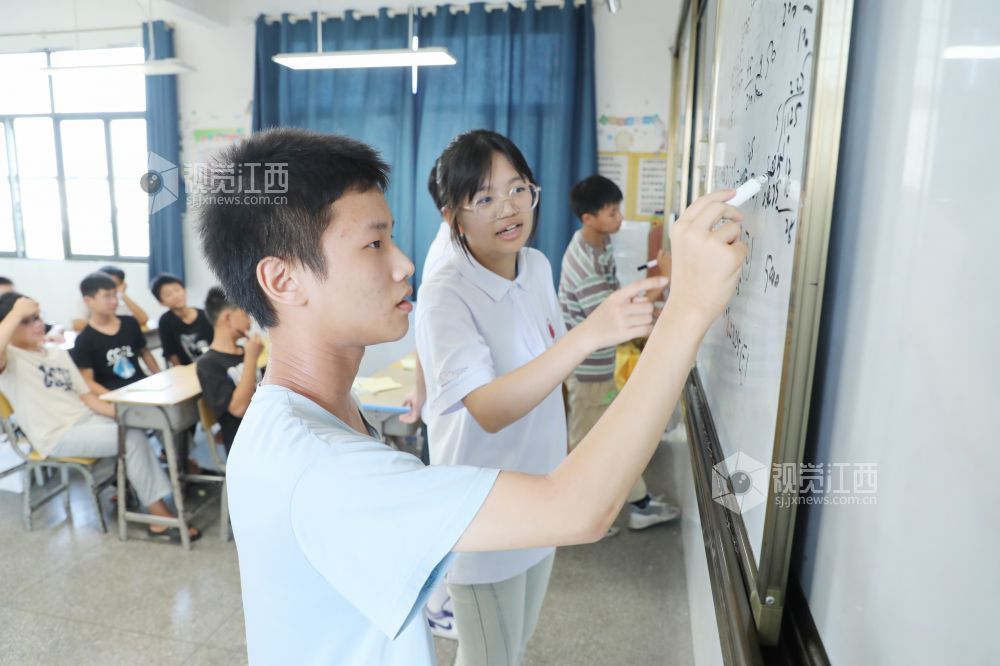
Wanfu Town’s success is not solely dependent on financial aid. A robust network of local organizations, schools, and volunteers plays an equally vital role in ensuring vulnerable children thrive. One such initiative involves mentorship programs where university students and professionals pair with younger learners to provide academic guidance and emotional support.
the town has established emergency relief funds to assist families facing sudden hardships, such as illness or job loss. These funds, often managed by local committees in collaboration with provincial social welfare agencies, ensure that children can remain in school even during periods of financial instability. The flexibility of these programs allows for rapid response to individual needs, a hallmark of effective social policy.
To further bolster these efforts, Wanfu Town has integrated digital tools to streamline the application and distribution process. Families can now apply for assistance online, reducing bureaucratic delays and increasing transparency. This technological adaptation reflects a broader trend in China, where digital governance is being leveraged to improve service delivery in rural areas.
Who Benefits and Why It Matters
The impact of Wanfu Town’s initiatives extends beyond immediate financial relief. By investing in education and community support, the town is fostering a generation of empowered individuals who can contribute to local economic development. Studies from the World Bank highlight that children who complete secondary education are 40% more likely to escape poverty in their lifetime, underscoring the long-term benefits of such programs.
For vulnerable children—those from single-parent households, orphaned youth, or families living below the poverty line—these interventions can be life-changing. In Wanfu Town, where agriculture remains a primary industry, ensuring that young people have access to education also strengthens the local workforce. Graduates from these programs are more likely to seek stable employment, reducing the cycle of poverty that has historically plagued rural communities.
Looking Ahead: Replicating Success Across China
Wanfu Town’s model is not without challenges. Balancing limited resources with growing demand requires careful planning and sustained political will. However, the town’s achievements have drawn attention from other regions, with provincial officials exploring similar initiatives in neighboring counties. If scaled effectively, this approach could serve as a blueprint for rural child welfare programs nationwide.
The next critical checkpoint for Wanfu Town will be the annual review of its social welfare policies, scheduled for October 2026 by the Jiang’an County People’s Government. This review will assess the program’s effectiveness, identify areas for improvement, and determine future funding allocations. Stakeholders, including local educators, social workers, and community leaders, will play a key role in shaping these decisions.
For readers interested in supporting similar initiatives, organizations such as the UNICEF China and local chapters of the Chinese Red Cross often collaborate with rural communities to expand educational and humanitarian programs. Donations and volunteer efforts can make a tangible difference in ensuring no child is left behind.
Key Takeaways
- Financial Aid as a Foundation: Scholarships and grants are the cornerstone of Wanfu Town’s strategy, directly addressing the primary barrier to education for vulnerable children.
- Community Engagement: Local partnerships and volunteer programs create a support network that extends beyond financial assistance.
- Digital Integration: Online applications and transparent systems improve efficiency and reduce bureaucratic hurdles.
- Long-Term Impact: Investing in education today breaks the cycle of poverty, benefiting both individuals and the broader community.
- Replicability: Wanfu Town’s model offers a scalable solution for other rural regions facing similar challenges.
As Wanfu Town continues to refine its approach, its story serves as a reminder of the power of localized, community-driven solutions in addressing complex social issues. For businesses, policymakers, and individuals alike, the lessons from Wanfu Town highlight the importance of collaboration, innovation, and a steadfast commitment to equity.
What are your thoughts on community-led initiatives for child welfare? Share your experiences or suggestions in the comments below, and help us explore how similar models can be implemented globally. For the latest updates on social welfare policies in China, stay tuned to World Today Journal.
Keep reading