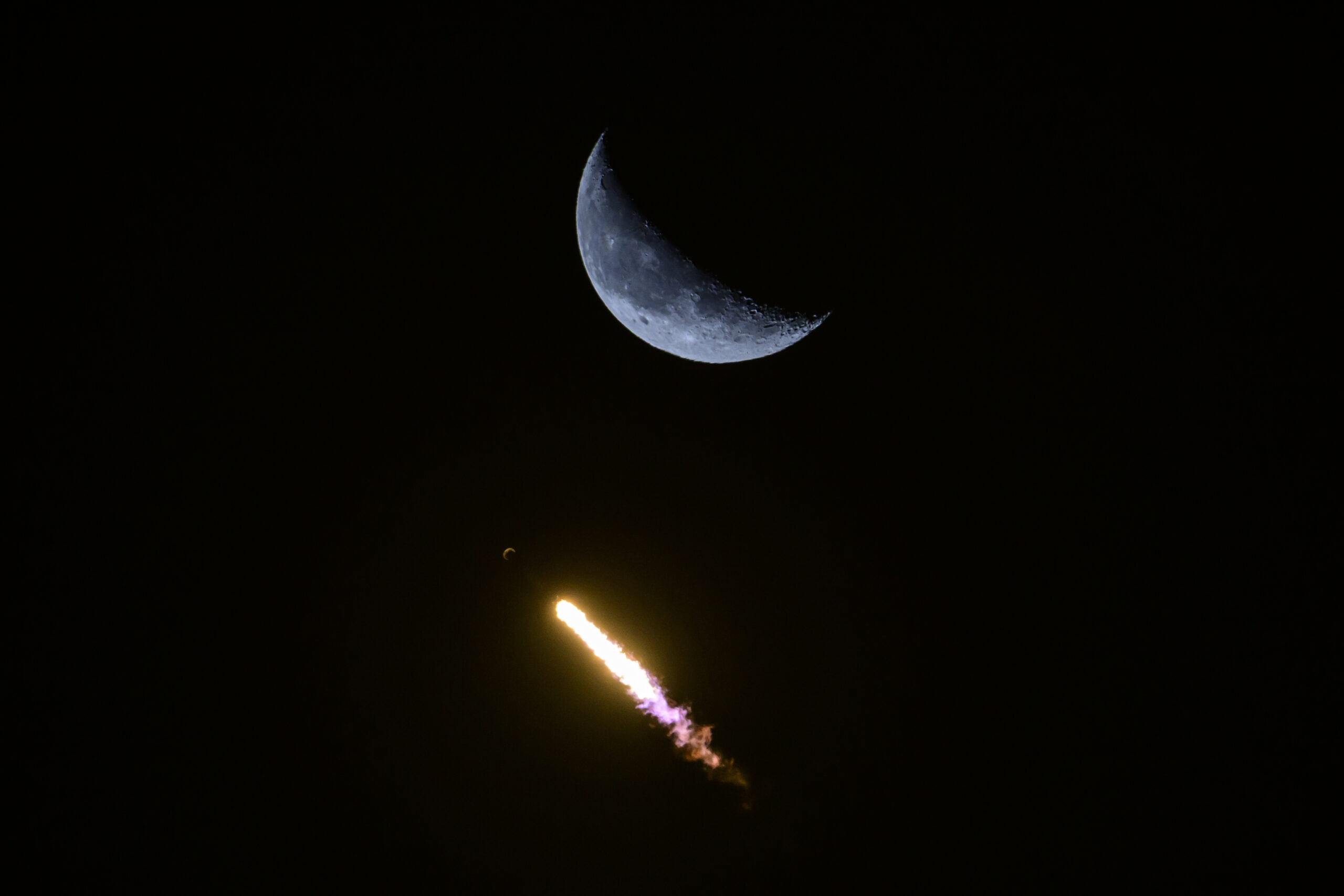
A stray upper stage from a SpaceX Falcon 9 rocket slammed into the moon at 5,400 mph on August 5, creating a new lunar crater near Einstein Crater. Scientists detected a distinct sodium and lithium debris plume using telescope observations, marking a rare opportunity to study artificial lunar impacts.
Falcon 9 Upper Stage Impact Near Einstein Crater
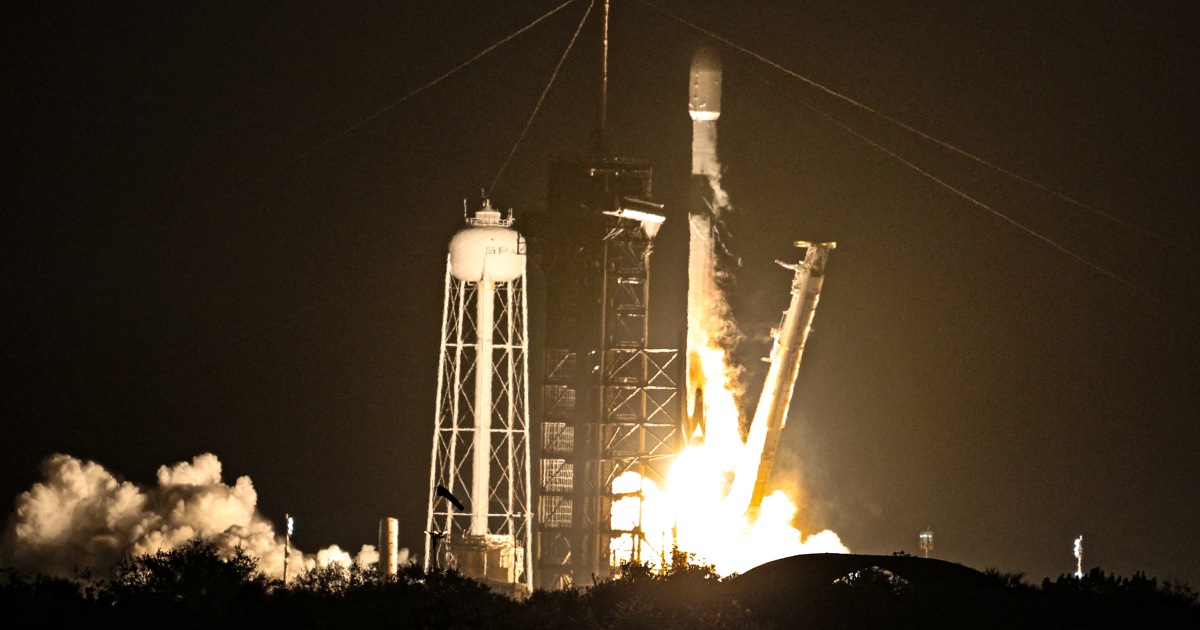
The upper stage of a SpaceX Falcon 9 rocket launched on January 15, 2025, to carry two lunar landers into space collided with the moon’s surface as predicted, according to multiple scientific reports. The heavy cylinder, measuring more than 40 feet long and weighing roughly 4 tons, had drifted off course for over a year under the combined influence of solar activity and gravity.
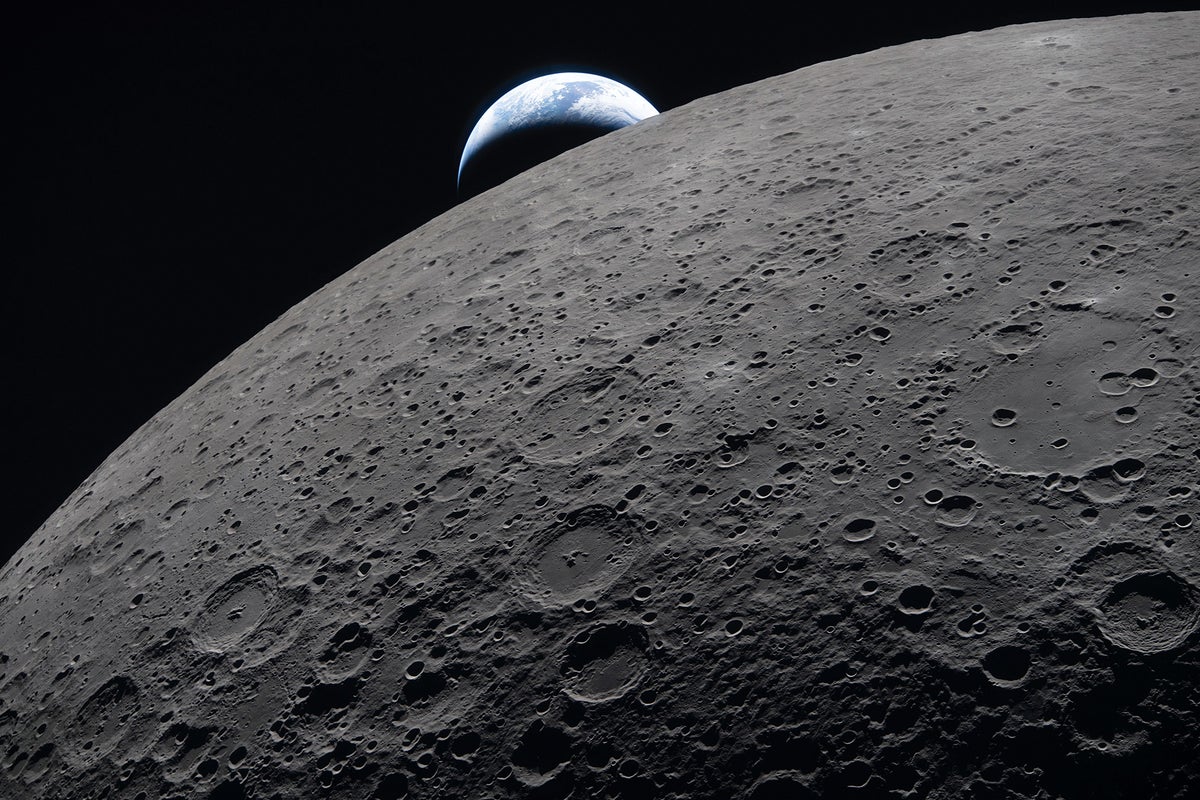
Astronomers calculated that the unguided space junk struck the lunar surface at approximately 5,400 mph near Einstein Crater on the moon’s sunlit western limb. While the exact moment of the impact on August 5 was difficult to observe directly from the ground due to intense sunlight and the location near the edge of the near and far sides, tracking experts maintained high confidence in the outcome.
Retired astrophysicist Jonathan McDowell added that as a physicist, I know that what goes up must come down. Dutch astronomer Marco Langbroek also targeted the moon with his telescope at the appointed time, noting that we knew this would be a long shot while confirming he had no doubt the rocket met its destination.
Telescope Observations Reveal Sodium and Lithium Debris Stream
Although direct optical images of the initial collision remain unavailable, researchers confirmed that remote equipment successfully captured the aftermath of the crash. Carl Schmidt of Boston University reported that his team was 100% certain that their observations detected physical signs of the lunar impact.
The European Southern Observatory’s Very Large Telescope identified a measurable stream of sodium and lithium stretching for miles into space for at least five to 10 minutes following the crash. Schmidt noted that while we don’t have images of the impact, the spectroscopic evidence confirms the energetic nature of the collision.
Prior to the event, a paper posted to arXiv by a team of 23 astronomers highlighted that the location near the lunar limb could offer unique observation conditions. Amateur astronomer Bill Gray, who initially tracked the meandering spacecraft, pointed out that rocks ejected by the impact may form a ‘plume’ that will be visible against the dark background once they’re off the moon.
SpaceX Explanation and Growing Concerns Over Lunar Debris
Addressing the trajectory deviation during a press conference, SpaceX NASA science and Dragon programs director Julianna Scheiman explained that the company typically executes disposal maneuvers during high-energy missions to ensure the second stage adheres to safety regulations. Scheiman stated that we also did so, but due to a combination of solar activity and gravity forces it drifted toward the moon.
SpaceX noted it is actively working with NASA to minimize future wrecks, emphasizing that the collision was entirely accidental. NASA representative Jim Russell emphasized in a statement that there is no danger to Earth and confirmed that NASA will continue to track the rocket for training purposes and later observe the impact site for scientific purposes.
According to Minkevičiūtė, the collision is expected to carve out a new 20-to-30-meter crater on the lunar surface.
Next Steps and Visual Confirmation From Orbiting Spacecraft
Definitive visual confirmation of the new crater will require high-resolution passes from lunar orbit. Researchers anticipate that NASA’s Lunar Reconnaissance Orbiter and South Korea’s Pathfinder Lunar Orbiter will image the impact region to survey the aftermath and measure the scale of the disturbance.
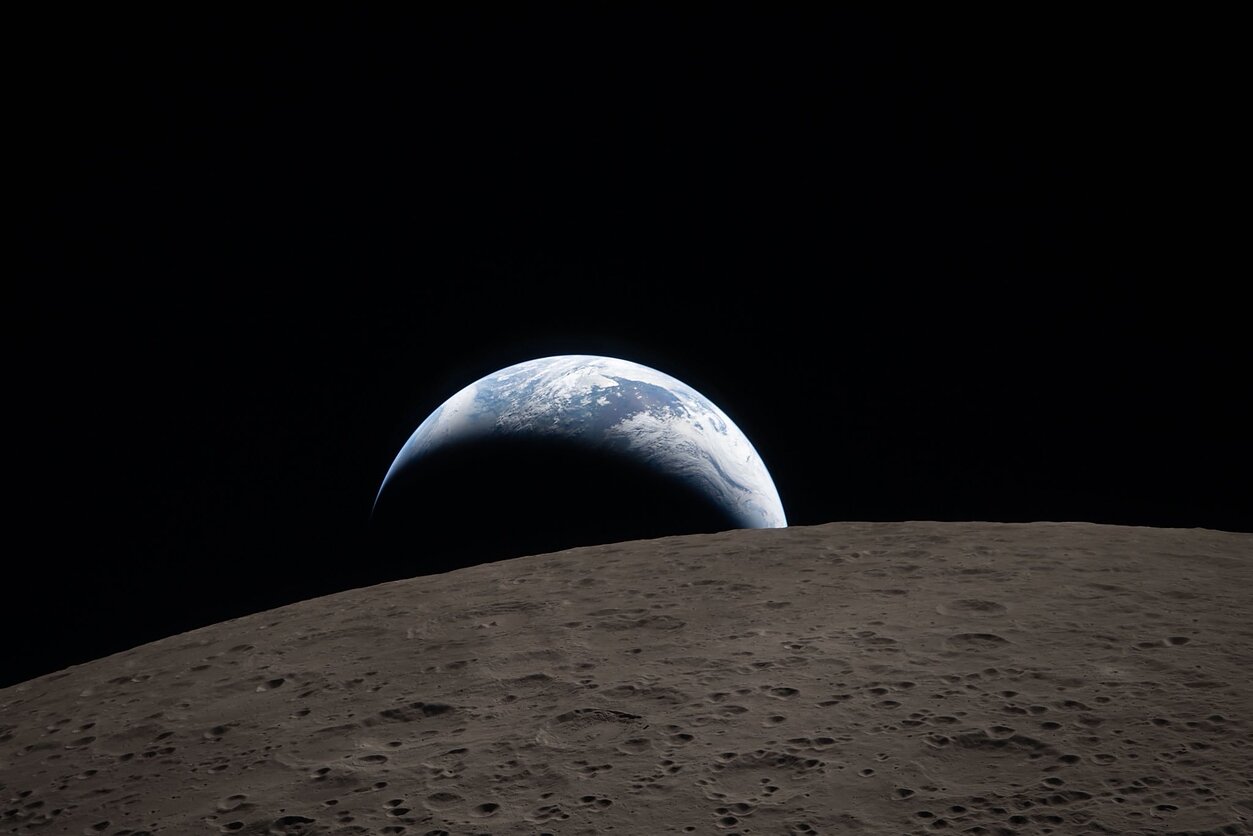
Scientists emphasize that tracking artificial debris in lunar orbit is growing increasingly urgent. With NASA and other international space agencies preparing for human missions and permanently staffed lunar bases under programs like Artemis, uncontrolled hardware poses rising complications.
As McDowell warned regarding future commercial and government traffic near the moon, things are going to get a lot busier near the moon, adding that at that point an impact like this on the lunar surface plowing up huge amounts of dust going for hundreds of miles around is not going to be acceptable.
Worth a look
- Critical Software Vulnerabilities Leave Government Websites Exposed to Massive Cyberattacks
- Sonic Unknown Frontier Deluxe Edition for Nintendo Switch 2: Box Bonuses & Taiwan Exclusive 35th Anniversary Keychain Revealed
- How New York Stage & Film Preserves the Collaborative Art of Theatre (archyde.com)
- Felix Gall Defends Burgos Tour Lead Ahead of Final Stage (archyworldys.com)