
The long-anticipated transition of SpaceX from a private aerospace titan to a publicly traded entity is facing a complex web of geopolitical and regulatory challenges. As speculation intensifies regarding a potential initial public offering (IPO), reports suggest that the company’s unique position at the intersection of commercial innovation and national security may necessitate the exclusion of significant investor pools, specifically those located in Mainland China and Hong Kong.
For investors tracking the evolution of the global space economy, the prospect of a SpaceX listing represents more than just a single corporate milestone. it is a litmus test for how high-stakes, dual-use technology firms navigate an increasingly fractured international landscape. The potential for a record-breaking offering has sent ripples through global markets, even as the company grapples with the realities of stringent regulatory oversight and the complexities of managing a global digital infrastructure like Starlink.
As the financial world prepares for what could be one of the most significant listings in history, the narrative is shifting from simple valuation metrics to a much deeper discussion on national security, data sovereignty and the shifting boundaries of global capital. The intersection of Elon Musk’s various ventures—ranging from orbital transport to advanced artificial intelligence—means that any movement toward a public market will be scrutinized not just by shareholders, but by sovereign regulators on a global scale.
The Geopolitical Wall: Why China and Hong Kong May Be Excluded
Recent reports, including analysis from Bloomberg, indicate that a SpaceX IPO may intentionally bypass investors from Mainland China and Hong Kong. This move is widely viewed as a preemptive response to the intensifying regulatory risks associated with cross-border capital flows in sensitive technological sectors. For a company that provides critical launch services for the U.S. Government and operates the Starshield program—a division specifically tailored for national security applications—the inclusion of certain foreign capital could trigger intense scrutiny from U.S. Regulatory bodies.
The primary driver behind this potential exclusion is the “dual-use” nature of SpaceX’s technology. Under frameworks such as the International Traffic in Arms Regulations (ITAR) and oversight from the Committee on Foreign Investment in the United States (CFIUS), the transfer of sensitive aerospace data and the involvement of foreign entities in the governance of critical infrastructure are strictly controlled. Allowing significant investment from jurisdictions that are viewed as strategic competitors to the United States could present a conflict of interest that the company and its regulators may find impossible to reconcile.
the reported difficulties regarding website accessibility in certain regions suggest that the digital perimeter around SpaceX is already being reinforced. While the company has not officially commented on specific regional access restrictions, the convergence of connectivity services (Starlink) and advanced launch capabilities creates a unique profile that necessitates a highly controlled investor relations and data management strategy. For the global financial community, this signals a new era of “fragmented liquidity,” where the most advanced tech companies may be forced to choose between massive capital pools and national security compliance.
The AI Convergence: Goldman Sachs and the 2030 Revenue Outlook
While the regulatory landscape presents hurdles, the fundamental growth thesis for SpaceX remains overwhelmingly bullish, particularly when considering the integration of artificial intelligence. Financial analysts have begun to look beyond traditional launch revenue, focusing instead on the massive data-driven potential of the company’s orbital assets. Goldman Sachs has reportedly highlighted a staggering growth trajectory for the company’s AI-related revenue streams, with projections suggesting a nearly 100-fold increase by the year 2030.
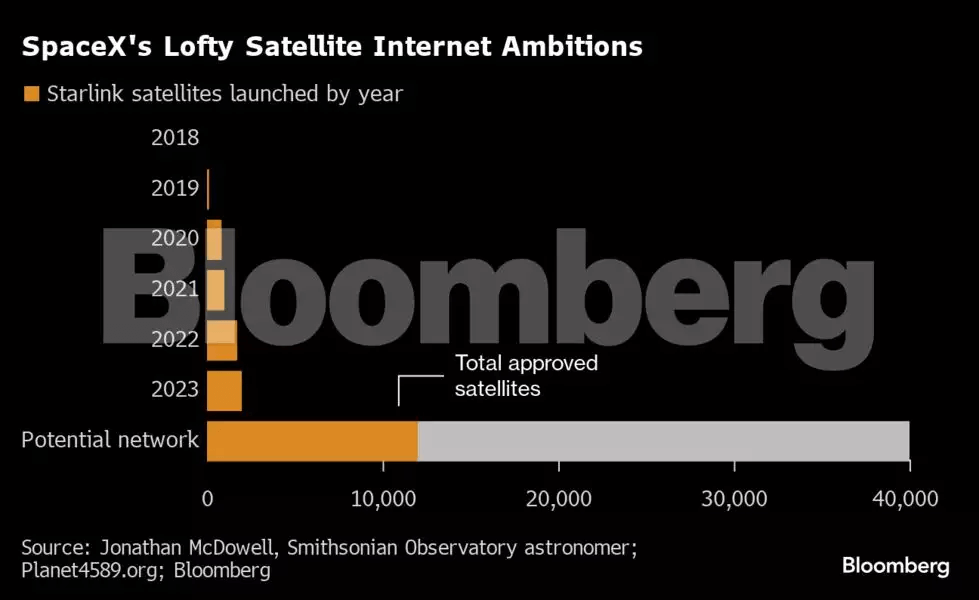
This exponential growth is predicated on the synergy between satellite constellations and the burgeoning demand for edge computing and real-time data processing. As Starlink expands its global footprint, the ability to process vast amounts of geospatial and telecommunications data via AI-driven models presents a secondary, and perhaps more lucrative, business model. The convergence of space-based connectivity and advanced machine learning is expected to transform SpaceX from a logistics-heavy aerospace firm into a cornerstone of the global digital economy.
The implications of this shift are profound. If SpaceX successfully captures the intersection of space-based data and AI, its valuation could transcend the traditional multiples applied to aerospace companies. This “tech-multiplier” effect is what fuels the ongoing speculation regarding Elon Musk’s personal net worth, with some analysts suggesting that a successful realization of these growth targets could push his wealth into the trillion-dollar stratosphere, making him the world’s first trillionaire.
Market Volatility and the Scale of the Offering
The sheer scale of the anticipated SpaceX offering is expected to be unprecedented. As the company continues to dominate the commercial launch market and expand its Starlink subscriber base, the appetite for a public listing remains high. However, market analysts have warned that the introduction of such a massive, high-growth entity into the public markets could significantly increase overall market volatility.
The “SpaceX effect” on the stock market would likely be felt across several sectors, including defense, telecommunications, and artificial intelligence. Because SpaceX is so deeply integrated into the technological ecosystems of its competitors and partners, its movement could trigger rapid revaluations of other aerospace and satellite firms. Investors should prepare for a period of heightened sensitivity to any news regarding SpaceX’s launch cadence, regulatory filings, or geopolitical developments.

The following table summarizes the core factors that will likely dictate the success and structure of a SpaceX public debut:
| Factor | Impact on IPO | Primary Driver |
|---|---|---|
| Regulatory Compliance | High | ITAR and CFIUS oversight regarding national security and dual-use tech. |
| Investor Demographics | Medium-High | Potential exclusion of Mainland China and Hong Kong capital to mitigate risk. |
| Revenue Diversification | Highly High | Transition from launch-based revenue to AI and data-driven satellite services. |
| Market Volatility | Medium | The massive valuation and sector-wide influence of the company. |
| Geopolitical Risk | High | Tensions affecting global connectivity and satellite sovereignty. |
Key Takeaways for Global Investors
- Geopolitical Constraints: Regulatory risks may lead to a bifurcated investor base, specifically excluding certain Asian markets to comply with U.S. Security protocols.
- AI-Driven Valuation: Long-term growth is increasingly tied to AI and data processing capabilities rather than just rocket launches.
- Sector Volatility: A SpaceX listing is expected to influence a wide range of sectors, from defense to high-tech telecommunications.
- Strategic Importance: The company’s role in national security (Starshield) remains a central factor in its corporate governance and public market strategy.
What Happens Next?
As of now, SpaceX remains a private entity, and no official filing for an IPO has been made public. However, the momentum in the private secondary markets and the increasing frequency of reports from major financial news outlets suggest that the company is in a period of intense preparation. The next critical checkpoints for investors and analysts will be any official updates regarding SpaceX’s next major launch milestones or any formal disclosures regarding its corporate structure and potential public market readiness.
We will continue to monitor all regulatory filings and official company statements as this developing story unfolds. For more in-depth analysis of global markets and emerging technologies, subscribe to our daily business briefings.
What are your thoughts on the potential exclusion of major Asian markets from a SpaceX IPO? Could this move set a precedent for other high-tech giants? Share your views in the comments below and share this article with your network.
Related reading