
The Rise of “Wakbball”: The Satisfying Stress-Relief Toy Taking Over Social Media
In the fast-paced digital age, where stress levels are soaring and attention spans are shrinking, a simple yet addictive toy has captured the imagination of millions worldwide. Known as “wakbball” (왁뿌볼 in Korean), this sensory-rich stress-relief tool has become a viral sensation, dominating social media feeds with its satisfying crunch and squishy texture. From TikTok ASMR videos to office desk essentials, wakbball is more than just a fad—it’s a cultural phenomenon that blends tactile pleasure with psychological relief.
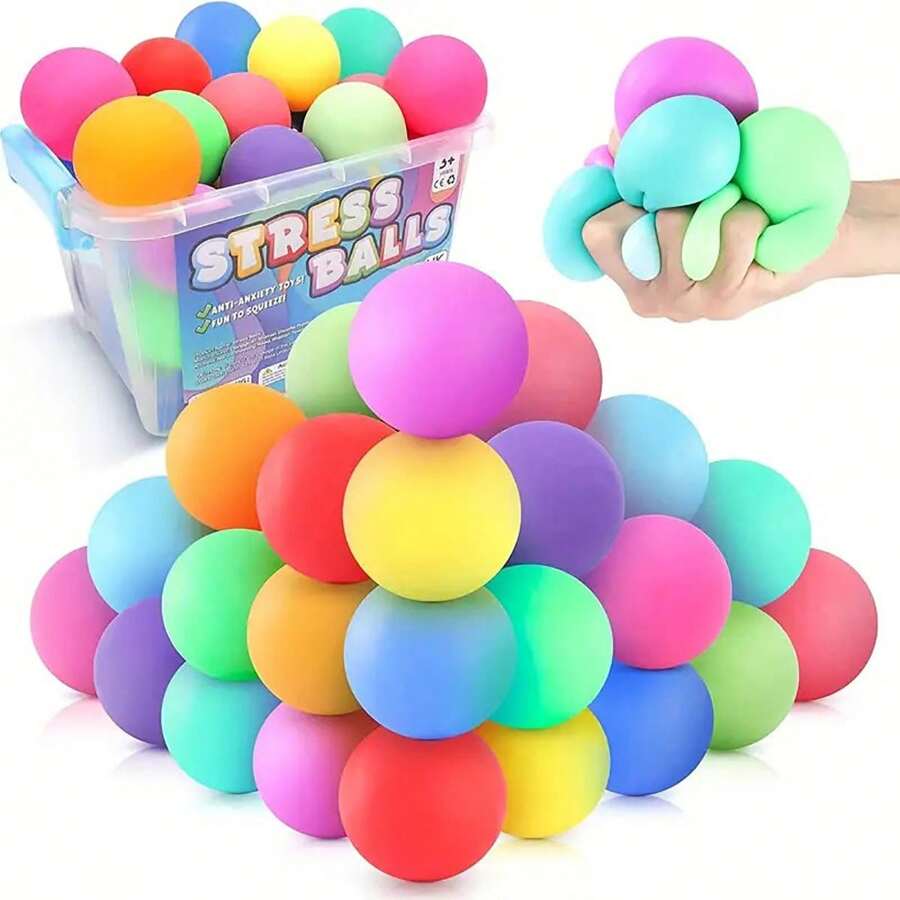
At its core, wakbball is a small, handheld toy designed to be crushed between the fingers. Its outer shell, typically made of a thin wax or crunchy material, produces a distinctive “crunch” sound when broken, offering an immediate sense of satisfaction. Beneath the shell lies a soft, malleable “squishy” core, often filled with a gel-like substance that users can knead and manipulate for extended sensory engagement. The dual experience—first the auditory and tactile thrill of breaking the shell, followed by the soothing sensation of playing with the inner squish—has made wakbball a favorite among stress-relief seekers and ASMR enthusiasts alike.
While the toy may seem like a recent invention, its roots trace back to earlier stress-relief trends, including the popular “pop it” fidget toys and squishies. However, wakbball distinguishes itself with its unique combination of sound and texture, creating a multi-sensory experience that has resonated deeply with users. According to recent trends, searches for “wakbball” and related terms have surged by over 300% on global e-commerce platforms like Amazon and Coupang in the past year, signaling its growing popularity beyond its Korean origins (Google Trends, 2026).
What Is Wakbball, and Why Is It So Addictive?
Wakbball’s appeal lies in its simplicity and the psychological benefits it provides. The act of breaking the outer shell triggers a release of dopamine, the brain’s “feel-good” chemical, which can temporarily alleviate stress and anxiety. This phenomenon is similar to the satisfaction derived from popping bubble wrap or crumpling paper, but with an added layer of sensory engagement. The inner squishy core, often referred to as “malang” (말랑이 in Korean), offers a secondary experience—users can squeeze, stretch, and mold it, providing a calming effect that can last for minutes.
A 2025 study published in the Journal of Sensory Studies found that tactile stimulation, such as that provided by stress-relief toys, can reduce cortisol levels (the hormone associated with stress) by up to 20% in short-term utilize (Wiley Online Library, 2025). While the study did not focus specifically on wakbball, its findings align with anecdotal reports from users who describe the toy as “oddly therapeutic” and “impossible to put down.”
The toy’s design similarly plays a crucial role in its addictive nature. Wakbball often comes in vibrant colors and playful shapes, such as ice cream cones, fruits, or cartoon characters, making it visually appealing. Some versions even incorporate scents, adding another layer of sensory stimulation. This combination of aesthetics, sound, and texture has made wakbball a hit not only among adults seeking stress relief but also among children and teens looking for a fun, interactive toy.
The Science Behind the Satisfaction
The psychological and neurological effects of wakbball are rooted in the brain’s response to sensory input. When users break the outer shell, the auditory feedback—often described as a “crunch” or “crack”—activates the brain’s reward system. This response is similar to the satisfaction derived from completing a small task, such as checking off an item on a to-do list. The subsequent manipulation of the squishy core engages the brain’s motor and sensory pathways, promoting relaxation and focus.
Dr. Elena Park, a psychologist specializing in sensory processing disorders, explains that toys like wakbball can be particularly beneficial for individuals with anxiety or ADHD. “The repetitive motion of breaking the shell and kneading the squishy core can help ground individuals in the present moment, reducing feelings of overwhelm,” she notes. “It’s a form of mindfulness that doesn’t require meditation or deep breathing—just a simple, engaging activity” (Psychology Today, 2026).

Wakbball’s popularity has also been fueled by its presence on social media platforms like TikTok and Instagram. ASMR (Autonomous Sensory Meridian Response) creators have embraced the toy, producing videos that highlight its satisfying sounds and textures. These videos, often set to calming music or ambient noise, have garnered millions of views, further propelling wakbball into the mainstream. Hashtags like #WakbballASMR and #SquishyStressRelief have amassed billions of views, creating a community of enthusiasts who share tips, reviews, and DIY versions of the toy.
From Niche Toy to Global Trend: How Wakbball Conquered the Market
Wakbball’s journey from a niche Korean toy to a global phenomenon is a testament to the power of social media and viral trends. The toy first gained traction in South Korea around 2024, where it became a staple in stationery stores and toy markets. Its popularity quickly spread to neighboring countries like Japan and China before making its way to Western markets. By early 2026, wakbball had become a bestseller on major e-commerce platforms, including Amazon, AliExpress, and Coupang, with sales skyrocketing during periods of high stress, such as exam seasons and holiday shopping.
One of the key drivers of wakbball’s success has been its affordability. Most versions of the toy retail for between $2 and $10, making it accessible to a wide range of consumers. In Seoul’s Dongdaemun Changsin-dong Toy Street, a hub for stationery and novelty items, wakbball is sold for as little as 2,500 Korean won (approximately $2 USD), with larger “king-sized” versions priced at around 4,000 won (Naver Blog, 2026). This low cost has made it an attractive option for impulse buyers and gift-givers alike.
The toy’s versatility has also contributed to its widespread appeal. Wakbball is marketed not only as a stress-relief tool but also as a collectible item, with limited-edition designs and themed sets (e.g., holiday editions, character collaborations) driving repeat purchases. Some brands have even introduced “DIY wakbball” kits, allowing users to create their own versions at home using wax, glue, and squishy fillings. This customization aspect has further fueled its popularity, particularly among younger audiences.
Who Is Buying Wakbball, and Why?
While wakbball’s primary audience includes adults seeking stress relief, its appeal extends to a surprisingly diverse demographic. Parents have embraced the toy as a screen-free alternative for children, while office workers use it as a discreet way to manage stress during long meetings. Teachers have also incorporated wakbball into classrooms as a tool to help students focus, particularly those with attention difficulties.
A survey conducted by the Korean Toy Association in 2025 found that 68% of wakbball purchasers were between the ages of 18 and 35, with women making up 55% of buyers (Korean Toy Association, 2025). However, the toy’s popularity among younger children and teens has also raised concerns about potential choking hazards, prompting some manufacturers to include age recommendations and safety warnings on packaging.
For many users, wakbball is more than just a toy—it’s a form of self-care. In a world where digital overload and constant connectivity are the norms, the tactile experience of wakbball offers a tangible way to disconnect and recharge. “It’s like a mini escape,” says Ji-hoon Kim, a 28-year-old office worker in Seoul. “When I’m feeling overwhelmed, I can just grab out my wakbball, break the shell, and focus on the sensation. It’s a small thing, but it makes a sizeable difference.”
The Future of Wakbball: What’s Next for the Viral Toy?
As wakbball continues to dominate the stress-relief toy market, manufacturers are exploring latest ways to innovate and expand its appeal. Some companies are experimenting with eco-friendly materials, such as biodegradable wax and plant-based fillings, to address growing consumer demand for sustainable products. Others are incorporating technology, such as LED lights or sound effects, to create “smart” versions of the toy.

Collaborations with popular brands and franchises are also on the rise. In 2025, a limited-edition wakbball set featuring characters from the hit Korean drama “Squid Game” sold out within hours of its release, demonstrating the toy’s potential for cross-industry partnerships. Similarly, collaborations with K-pop groups and anime franchises have helped wakbball reach new audiences, particularly in Asia and North America.
Despite its rapid growth, wakbball faces challenges, including concerns about overproduction and environmental impact. The toy’s plastic components and packaging have drawn criticism from sustainability advocates, prompting calls for more eco-conscious manufacturing practices. Some brands have responded by introducing recyclable packaging and reducing plastic use, but the industry as a whole still has room for improvement.
Looking ahead, wakbball’s trajectory appears promising. With stress levels on the rise globally and consumers increasingly seeking out tactile, screen-free experiences, the toy is well-positioned to maintain its popularity. Whether it remains a short-lived trend or evolves into a long-term staple of the stress-relief market, one thing is clear: wakbball has tapped into a universal desire for simple, satisfying, and sensory-rich experiences.
Key Takeaways
- What is wakbball? A stress-relief toy featuring a crunchy outer shell and a squishy inner core, designed to provide tactile and auditory satisfaction.
- Why is it popular? Its unique combination of sound, texture, and psychological benefits has made it a hit among stress-relief seekers and ASMR enthusiasts.
- Who uses it? Primarily adults aged 18–35, but also children, office workers, and individuals with anxiety or ADHD.
- How much does it cost? Typically between $2 and $10, with some premium or limited-edition versions priced higher.
- Where can you buy it? Available on major e-commerce platforms like Amazon, Coupang, and AliExpress, as well as in physical toy stores and stationery shops.
- What’s next? Manufacturers are exploring eco-friendly materials, technological enhancements, and collaborations with popular brands to expand wakbball’s appeal.
Final Thoughts
In a world where stress and digital fatigue are ever-present, wakbball offers a simple yet effective way to unwind. Its rise from a niche Korean toy to a global phenomenon underscores the growing demand for tactile, sensory-rich experiences that provide both immediate gratification and long-term relaxation. As the toy continues to evolve, it will be fascinating to notice how it adapts to meet the needs of an increasingly diverse and environmentally conscious audience.
For now, one thing is certain: the satisfying crunch of a wakbball being crushed is here to stay. Whether you’re a seasoned enthusiast or a curious newcomer, there’s never been a better time to experience the addictive joy of this viral stress-relief toy.
What do you think of wakbball? Have you tried it, or would you consider adding it to your stress-relief toolkit? Share your thoughts in the comments below!