
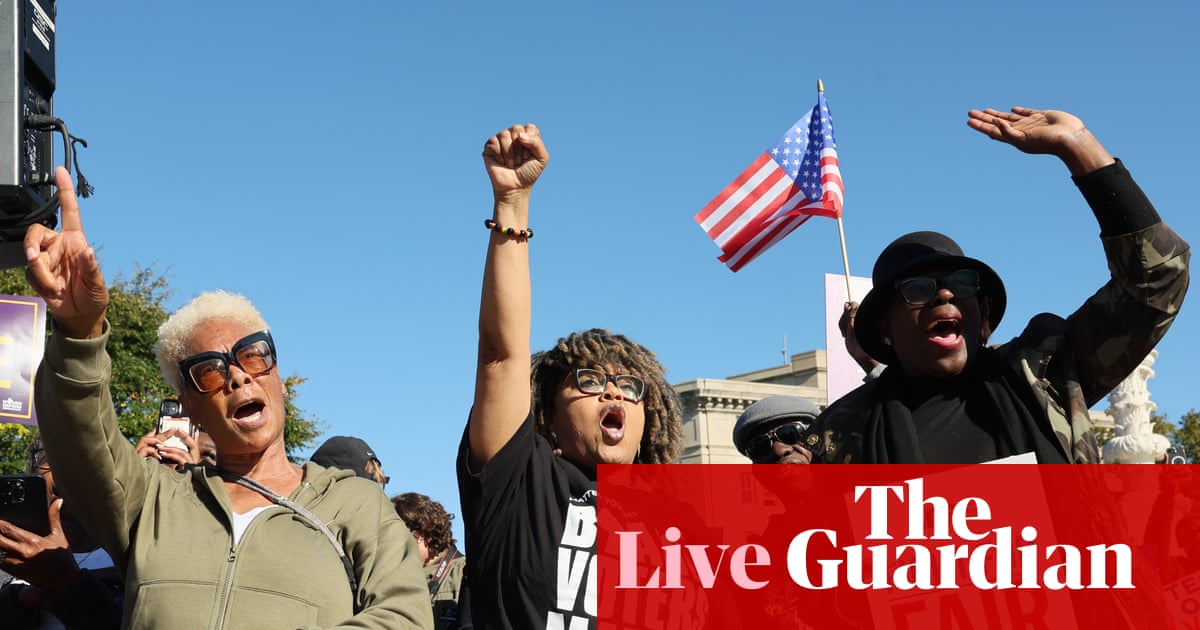
Supreme Court Ruling on Louisiana Voting Rights Act Sparks Outcry from Civil Rights Groups
Washington D.C. – A recent Supreme Court decision regarding Louisiana’s congressional map has drawn sharp criticism from civil rights advocates, who argue the ruling represents a significant setback for voting rights protections. The 6-3 decision, handed down on Wednesday, effectively requires Louisiana to redraw its congressional map, a move that opponents say undermines a key provision of the Voting Rights Act. The ruling comes amidst ongoing debates about fair representation and access to the ballot box, and raises concerns about the future of minority voting power across the nation. The decision likewise arrives as the Federal Reserve is poised to hold interest rates steady, potentially marking the end of an era under current Chair Jerome Powell.
The NAACP has been particularly vocal in its condemnation of the ruling, labeling it a “devastating blow” to the pursuit of racial equity. The organization argues that the court’s decision weakens the ability to challenge discriminatory voting practices and effectively dismantles decades of progress in ensuring equal representation for all citizens. This case centers on Section 2 of the Voting Rights Act, a crucial component designed to prevent racial discrimination in voting. The court’s interpretation of this section has now been significantly narrowed, raising fears that similar challenges to voting maps in other states could be unsuccessful.
The Louisiana Case and the Voting Rights Act
At the heart of the dispute is Louisiana’s congressional map, which civil rights groups argued diluted the voting power of Black residents. Plaintiffs in the case contended that the map should have included a second majority-Black district, given the state’s demographics. Louisiana officials maintained that the existing map was legally drawn and did not intentionally discriminate against any group. The case ultimately reached the Supreme Court after a lower court initially ruled in favor of the plaintiffs, ordering the state to redraw the map. The Supreme Court’s reversal of that decision has now ignited a firestorm of controversy.
Section 2 of the Voting Rights Act, originally passed in 1965, prohibits voting practices or procedures that discriminate on the basis of race, color, or membership in a language minority group. It has been a cornerstone of efforts to ensure equal access to the ballot box for all Americans. However, the Supreme Court’s recent ruling significantly alters the legal standard for proving racial discrimination under Section 2. Previously, courts considered the overall historical context of discrimination in a state when evaluating voting maps. The new ruling, however, places greater emphasis on demonstrating intentional discrimination, a standard that civil rights advocates argue is exceedingly difficult to meet.
Impact on Future Voting Rights Litigation
Legal experts suggest that the Supreme Court’s decision will have far-reaching consequences for future voting rights litigation across the country. With the legal threshold for proving discrimination now higher, it will be more challenging for plaintiffs to successfully challenge voting maps that they believe are discriminatory. This could lead to a decrease in the number of majority-minority districts and a corresponding reduction in the representation of minority voters in Congress and state legislatures. The ruling is expected to embolden states to adopt voting maps that favor one party or demographic group over another, potentially exacerbating existing inequalities in the political system.
The NAACP, along with other civil rights organizations, is vowing to continue the fight for voting rights, despite the setback. They are exploring all available legal options, including potential challenges to voting maps in other states and renewed efforts to pass federal legislation to strengthen voting rights protections. Michael McClanahan, President of the NAACP Louisiana Chapter, has been a leading voice in the fight for fair representation, and the organization is mobilizing its members to advocate for change. The NAACP LA State Conference, with its network of over 2,200 units and more than 2 million activists, is a powerful force in the ongoing struggle for civil rights and social justice.
Federal Reserve Poised to Hold Rates Steady
While the Supreme Court ruling dominated headlines, another significant event unfolded on Wednesday: the Federal Reserve’s latest policy meeting. Analysts widely anticipate that the central bank will hold interest rates steady, marking a third consecutive pause in its tightening cycle. This decision comes as policymakers weigh the risks of surging energy prices and supply chain disruptions stemming from geopolitical tensions, including the conflict in the Middle East. The expectation of a pause reflects a cautious approach, as the Fed seeks to balance its goals of controlling inflation and maintaining full employment.

Jerome Powell, the current Fed chair, is expected to preside over his last policy meeting. His tenure has been marked by a focus on full employment and managing inflation, navigating a complex economic landscape. The Justice Department recently dropped a criminal investigation into the Federal Reserve and Powell regarding a renovation project at the central bank’s Washington headquarters, clearing the way for potential successors to be considered. U.S. Attorney for D.C., Jeanine Pirro, stated that the investigation was closed as the Inspector General undertakes a further inquiry into the billions of dollars in cost overruns associated with the renovation project. However, Pirro also indicated that the investigation could be reopened if new evidence emerges. The Inspector General’s office confirmed it is continuing its review of the project, initially requested by Powell in 2025 amid pressure from President Donald Trump.
Looking Ahead
The Supreme Court’s decision on the Louisiana voting map represents a significant challenge to the ongoing efforts to protect voting rights in the United States. The ruling is likely to have a chilling effect on future litigation and could lead to a decrease in minority representation in government. Civil rights groups are determined to fight back, but the path forward will be difficult. Simultaneously, the Federal Reserve’s expected decision to hold interest rates steady signals a cautious approach to monetary policy, as the central bank navigates a period of economic uncertainty.
The next steps in the Louisiana case will likely involve further legal challenges and advocacy efforts aimed at mitigating the impact of the Supreme Court’s ruling. The NAACP and other organizations are expected to continue to mobilize their members and push for legislative reforms to strengthen voting rights protections. As for the Federal Reserve, the focus will shift to monitoring economic data and assessing the potential impact of geopolitical events on the U.S. Economy. The coming months will be crucial in determining the long-term consequences of both the Supreme Court’s decision and the Federal Reserve’s policy choices.
Key Takeaways:
- The Supreme Court’s ruling on the Louisiana congressional map weakens key provisions of the Voting Rights Act.
- Civil rights groups, including the NAACP, have strongly condemned the decision, calling it a setback for racial equity.
- The ruling is expected to produce it more difficult to challenge discriminatory voting practices in the future.
- The Federal Reserve is widely expected to hold interest rates steady, potentially marking the end of an era under Jerome Powell.
- The Justice Department has dropped its investigation into the Federal Reserve and Jerome Powell regarding renovation cost overruns.
What are your thoughts on the Supreme Court’s decision? Share your comments below and join the conversation. Don’t forget to share this article with your network to raise awareness about this important issue.