
Afghanistan Accuses Pakistan of Deadly Airstrikes on University and Civilian Areas
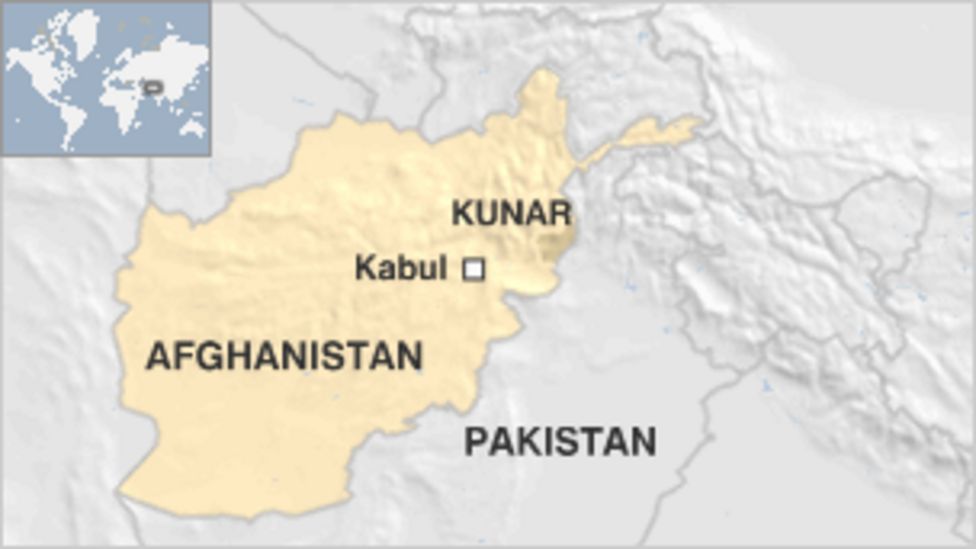
KABUL — Afghanistan’s Taliban government has accused Pakistan of launching deadly airstrikes on a university and residential neighborhoods in the eastern province of Kunar, killing at least seven people and wounding more than 80. The attacks, which Afghan officials described as “unforgivable war crimes,” mark a dangerous escalation in a months-long conflict between the two neighboring countries, raising fears of further regional instability.
The strikes occurred on Monday in Asadabad, the provincial capital of Kunar, targeting Sayed Jamaluddin Afghani University and surrounding residential areas. Taliban deputy spokesperson Hamdullah Fitrat condemned the attacks, stating they were directed at civilians and academic institutions. “These are unforgivable war crimes against innocent people,” Fitrat said in a statement, according to reports verified by the Associated Press.
Pakistan’s Ministry of Information and Broadcasting, but, denied striking the university. In a statement posted on X (formerly Twitter), the ministry called reports of the attack a “blatant lie” and insisted Pakistan’s military operations are “precise and intelligence-based.” The ministry did not explicitly deny conducting strikes within Afghan territory but emphasized that no attack was carried out on the university itself.
A Conflict Rooted in Accusations and Denials
The latest violence underscores the deepening rift between Afghanistan’s Taliban government and Pakistan, which has long accused Kabul of harboring militants responsible for attacks inside Pakistani territory. At the heart of the dispute is the Tehrik-e-Taliban Pakistan (TTP), also known as the Pakistani Taliban, a militant group that Islamabad claims operates from Afghan soil. The TTP, which is separate from but allied with the Afghan Taliban, has been blamed for a series of deadly attacks in Pakistan, including a recent bombing in the northwestern district of Bannu that targeted a police station.
Afghanistan’s Taliban government has repeatedly denied providing safe haven to the TTP, calling Pakistan’s accusations baseless. However, the denial has done little to ease tensions, which have flared repeatedly since late February. On February 26, 2026, the Afghan Taliban launched strikes on Pakistani military bases near the disputed border, prompting retaliatory airstrikes by Pakistan that targeted border provinces and even Kabul, marking the first time Islamabad had conducted attacks on Afghan urban areas. The Council on Foreign Relations reported that the United Nations Assistance Mission in Afghanistan (UNAMA) recorded at least 75 civilian deaths and 193 injuries in the conflict as of mid-March, though these figures are preliminary and likely underestimate the true toll.
Pakistan’s defense minister described the situation in March as an “open war” with Afghanistan, a stark departure from a fragile ceasefire signed in October 2025. That agreement, brokered after months of backchannel diplomacy, collapsed as both sides accused the other of violating its terms. The latest strikes in Kunar represent the first major escalation since peace talks were held in China earlier this month, where both countries agreed to a temporary pause in hostilities during the Muslim holiday of Eid al-Fitr. The talks, mediated by Beijing, were described by Afghan officials as “useful,” but the resumption of violence suggests little progress was made in addressing the core issues driving the conflict.
Civilian Casualties and the Human Cost
The attack on Sayed Jamaluddin Afghani University has drawn particular outrage from Afghan officials and international observers. Afghanistan’s Ministry of Higher Education reported that approximately 30 students and professors were among the wounded, with the university’s buildings and grounds sustaining extensive damage. The targeting of an academic institution has raised alarm about the broader humanitarian impact of the conflict, which has displaced thousands of civilians along the porous Afghanistan-Pakistan border.
Human rights groups have condemned the strikes, calling for an independent investigation into the attacks. Amnesty International, in a statement released Tuesday, urged both countries to “respect international humanitarian law and ensure the protection of civilians.” The organization also called on the international community to pressure both governments to de-escalate the conflict before it spirals further out of control.
The United Nations has also expressed concern over the rising civilian toll. In a briefing to the UN Security Council last week, UNAMA head Roza Otunbayeva warned that the conflict “threatens to destabilize an already fragile region” and could exacerbate the humanitarian crisis in Afghanistan, where millions rely on international aid for survival. The UN estimates that more than 28 million people in Afghanistan—over half the population—require humanitarian assistance, a number that could rise if the conflict intensifies.
Regional Implications and the Risk of Wider Escalation
The Afghanistan-Pakistan conflict is unfolding against a backdrop of broader regional instability, including the fallout from joint U.S. And Israeli military actions in Iran earlier this year. Analysts warn that the fighting could draw in other regional powers, particularly as both Afghanistan and Pakistan seek external support to bolster their positions. China, which has economic and strategic interests in both countries, has emerged as a key mediator, hosting multiple rounds of talks in an effort to broker a lasting ceasefire. However, Beijing’s influence has so far proven limited, with neither side willing to make significant concessions.
For Pakistan, the conflict is part of a broader struggle to secure its western border and counter militant groups that it claims are operating from Afghan territory. Islamabad has long accused Afghanistan’s Taliban government of failing to rein in the TTP, which has carried out hundreds of attacks in Pakistan since the Afghan Taliban’s return to power in 2021. The TTP, which seeks to overthrow the Pakistani government and establish an Islamic emirate, has been designated a terrorist organization by both Pakistan and the United States.
Afghanistan, meanwhile, views Pakistan’s military actions as a violation of its sovereignty and has accused Islamabad of using the TTP as a pretext to justify cross-border strikes. The Taliban government, which remains internationally isolated and under sanctions, has few allies willing to publicly support its position. Russia and Iran, both of which have maintained diplomatic ties with Kabul, have called for restraint but have stopped short of condemning Pakistan’s actions.
What Happens Next?
The immediate future of the Afghanistan-Pakistan conflict remains uncertain. While both sides have expressed a willingness to return to the negotiating table, the latest attacks suggest that any progress will be fragile at best. The temporary pause in fighting during Eid al-Fitr has expired, and there are no indications that either side is prepared to back down. The Afghan Taliban has called for an international investigation into the Kunar strikes, while Pakistan has reiterated its right to defend itself against militant threats.
For civilians caught in the crossfire, the stakes could not be higher. The UN has warned that continued fighting could disrupt humanitarian aid deliveries to Afghanistan, where millions are already facing severe food shortages and economic collapse. The international community, including the United States and European Union, has called for an immediate ceasefire, but with both countries locked in a cycle of retaliation, the path to peace remains elusive.
The next round of talks, tentatively scheduled to take place in Qatar later this month, may offer a glimmer of hope. However, with trust between the two sides at an all-time low, the prospects for a lasting resolution appear dim. For now, the people of Afghanistan and Pakistan are left to grapple with the consequences of a conflict that shows no signs of abating.
Key Takeaways
- Deadly Strikes: Afghanistan’s Taliban government accuses Pakistan of killing at least seven people and wounding over 80 in airstrikes on a university and residential areas in Kunar province.
- Denial from Pakistan: Pakistan’s Ministry of Information and Broadcasting denies targeting the university but does not rule out strikes within Afghan territory.
- Escalating Conflict: The attacks mark the first major escalation since peace talks in China earlier this month, which failed to produce a lasting ceasefire.
- Civilian Toll: The UN reports at least 75 civilian deaths and 193 injuries since late February, with human rights groups warning of a worsening humanitarian crisis.
- Regional Instability: The conflict risks drawing in other regional powers, including China, which has attempted to mediate but with limited success.
- Next Steps: Both sides have expressed willingness to negotiate, but the path to peace remains uncertain as violence continues.
As the situation develops, World Today Journal will continue to provide updates on this critical story. For the latest verified information, follow our live coverage of the Afghanistan-Pakistan conflict. Share your thoughts in the comments below and aid raise awareness about the human cost of this escalating crisis.