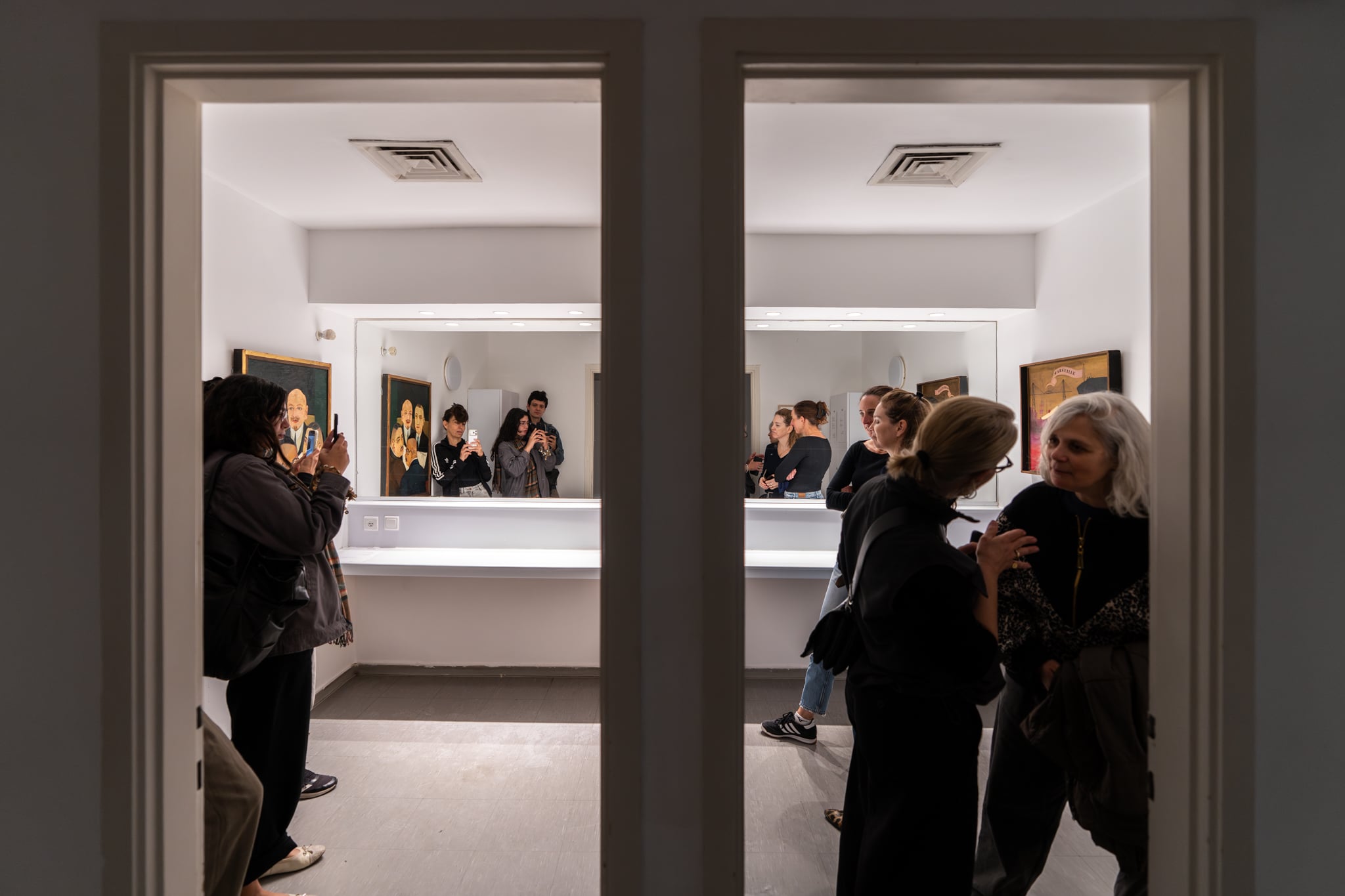
In a striking intersection of art and survival, the Tel Aviv Museum of Art has adapted its exhibition strategy to the realities of ongoing conflict. Curators are now guiding visitors through the “The Day Is Gone: 100 Years of the New Objectivity” exhibit, which has been rehung in the museum’s dressing rooms and basement areas to ensure the safety of both the art and the public.
This shift to subterranean galleries reflects a broader trend of “underground art” in the region, where cultural institutions are forced to balance the preservation of global heritage with the immediate necessity of bomb shelters and secure zones. The move transforms the viewing experience from a traditional gallery stroll into a guided journey through the museum’s functional, hidden spaces.
The adaptation comes as museums across Israel face unprecedented logistical challenges. The Tel Aviv Museum’s decision to relocate its tours to the basement is part of a wider pattern of emergency measures taken by cultural sites to maintain operations while adhering to safety protocols in a volatile security environment.
The New Objectivity in a New Context
The exhibition, titled “The Day Is Gone: 100 Years of the New Objectivity,” explores Germany’s 1920s art movement. Curated by Dr. Noam Gal with assistant curator Naama Bar-Or, the indicate focuses on a cynical, unsentimental style of art that confronts reality without idealization. The exhibit is scheduled to run from December 16, 2025, through May 23, 2026, primarily located in the Marcus B. Mizne Gallery within the Marc Rich and Gabrielle Rich Wing.
The thematic nature of the art—which deals with the stark, often harsh realities of the Weimar era—takes on a poignant new meaning when viewed in the dressing rooms and basements of a museum during a time of war. Curator Noam Gal has noted that while there is no direct parallel between Germany before the rise of Nazism and the current state of Israel in 2025, the necessity for critical art remains a familiar and relevant concept.
By moving the artworks into secure, lower-level spaces, the museum is not only protecting the physical canvases but also creating a visceral connection between the art’s subject matter and the viewer’s current environment. The “underground” nature of the tours mirrors the tension and urgency present in the works of the New Objectivity movement.
A Regional Pattern of Cultural Safeguarding
The Tel Aviv Museum is not alone in its struggle to protect cultural treasures. The Israel Museum has faced similar challenges, relocating high-value artifacts multiple times since October 7, 2023. On February 28, 2026, as Iran began launching missiles at Israel, the Israel Museum was forced to move the Great Isaiah Scroll—the oldest near-complete biblical book ever found—to a secure location for the fourth time in two years.
These emergency relocations are typically carried out in accordance with directives from the Home Front Command. In the case of the Israel Museum, the move included items from the Judaica and Archaeology departments, as well as the Shrine of the Book. Other artifacts, such as a circa-1700 Scroll of Esther from “The Girl Who Wrote” exhibition, were also moved for safekeeping after the exhibit’s opening had been postponed twice due to the Hamas terror onslaught of October 7, 2023.
The repeated packing and unpacking of these priceless artifacts highlight the precarious state of cultural preservation in a conflict zone. The logistical strain on museum staff is immense, as they must ensure climate-controlled environments are maintained even when art is moved into makeshift secure storage or basement dressing rooms.
Impact on Museum Operations and Public Access
The transition to basement tours and the temporary closure of galleries represent a significant shift in how the public interacts with art. While the Tel Aviv Museum has found a way to retain the New Objectivity exhibit accessible through modified tours, other institutions have been forced to shut down entirely under Home Front Command orders.

The impact extends beyond the physical location of the art; it affects the psychological experience of the visitor. The act of descending into a basement to view art serves as a constant reminder of the external threats facing the city. This “underground” experience becomes an unplanned part of the curation, adding a layer of contemporary political and social commentary to the historical art on display.
Key Takeaways: Art Preservation During Conflict
- Adaptive Curation: The Tel Aviv Museum of Art has rehung the “New Objectivity” exhibit in dressing rooms and basements to allow tours to continue safely.
- Systemic Risk: Major institutions, including the Israel Museum, have relocated primary artifacts like the Isaiah Scroll multiple times since late 2023 due to missile threats.
- Institutional Coordination: Relocations and museum closures are conducted under the emergency directives of the Home Front Command.
- Thematic Resonance: The cynical and unsentimental nature of the New Objectivity movement aligns with the current stark realities of viewing art in a secure bunker.
The current exhibition of the New Objectivity movement is slated to remain open until May 23, 2026, provided security conditions allow. The museum continues to monitor safety directives to determine the viability of its gallery spaces and the necessity of further relocations.
We invite our readers to share their thoughts on the intersection of art and conflict in the comments below. How should cultural institutions balance accessibility with safety during times of war?
Keep reading