
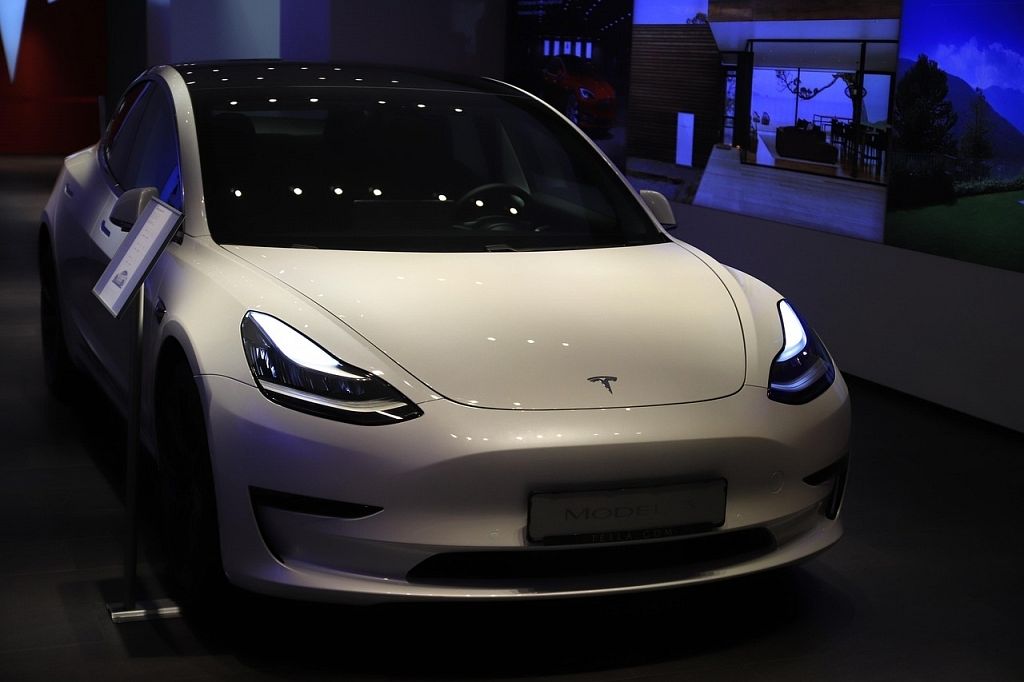
Tesla reported a 17% increase in net profit for the first quarter of 2026, according to the company’s earnings release published on April 22, 2026. The electric vehicle manufacturer achieved $477 million in net income during the period, up from $408 million in the same quarter of the previous year. This growth occurred despite ongoing pressure on automotive gross margins, which declined due to continued price reductions across its vehicle lineup.
The profit increase was primarily driven by a 6.3% year-over-year rise in vehicle deliveries, with Tesla delivering 358,023 vehicles in the first quarter of 2026 compared to 336,781 in the prior year period. This delivery growth helped offset the impact of lower average selling prices, as the company pursued a strategy of increasing market share through competitive pricing in key global markets.
Revenue for the quarter rose 16% year-over-year to $22.39 billion, reflecting the combined effect of higher delivery volumes and stable pricing in certain segments. The growth in top-line revenue supported the bottom-line improvement, even as the company invested heavily in new factory capacity, artificial intelligence research, and expansion of its energy storage and software divisions.
Tesla’s automotive gross margin, a key profitability metric closely watched by investors, stood at 17.4% in the first quarter of 2026, down from 19.3% in the same period of 2025. The decline was attributed to the ongoing effects of price cuts introduced throughout 2025 and early 2026, particularly for the Model 3 and Model Y vehicles, which remain the company’s highest-volume products.
Despite the margin pressure, Tesla maintained its full-year 2026 delivery guidance of approximately 1.8 million vehicles, reaffirming its commitment to volume growth as a primary lever for long-term profitability. The company noted that cost reductions from manufacturing efficiencies, ongoing battery cost declines, and economies of scale from its new Gigafactories in Texas and Berlin are expected to gradually improve margins over the course of the year.
In addition to its core vehicle business, Tesla’s energy generation and storage segment continued to show strong growth, with revenue increasing significantly year-over-year. The deployment of Megapack energy storage systems contributed to this performance, supporting the company’s broader strategy of diversifying beyond automotive sales.
Looking ahead, Tesla’s next major milestone is the anticipated release of its second-quarter 2026 production and delivery figures, expected in early July 2026. Investors and analysts will closely monitor whether the current trends in delivery growth and margin trajectory continue, particularly as the company ramps up production of its Cybertruck and advances development of its next-generation vehicle platform.
For the most accurate and up-to-date information on Tesla’s financial performance, readers are encouraged to review the company’s official investor relations website and quarterly SEC filings. These documents provide the complete and audited details behind the headline figures reported in earnings releases.
As Tesla navigates a competitive and evolving electric vehicle landscape, its ability to balance volume growth with sustainable profitability remains a central focus for stakeholders. The first-quarter 2026 results reflect both the progress made in scaling production and the ongoing challenges of maintaining margins in a price-sensitive market.
We invite readers to share their thoughts on Tesla’s latest performance and what it means for the future of the electric vehicle industry in the comments below. Please perceive free to share this article with others who may find it informative.