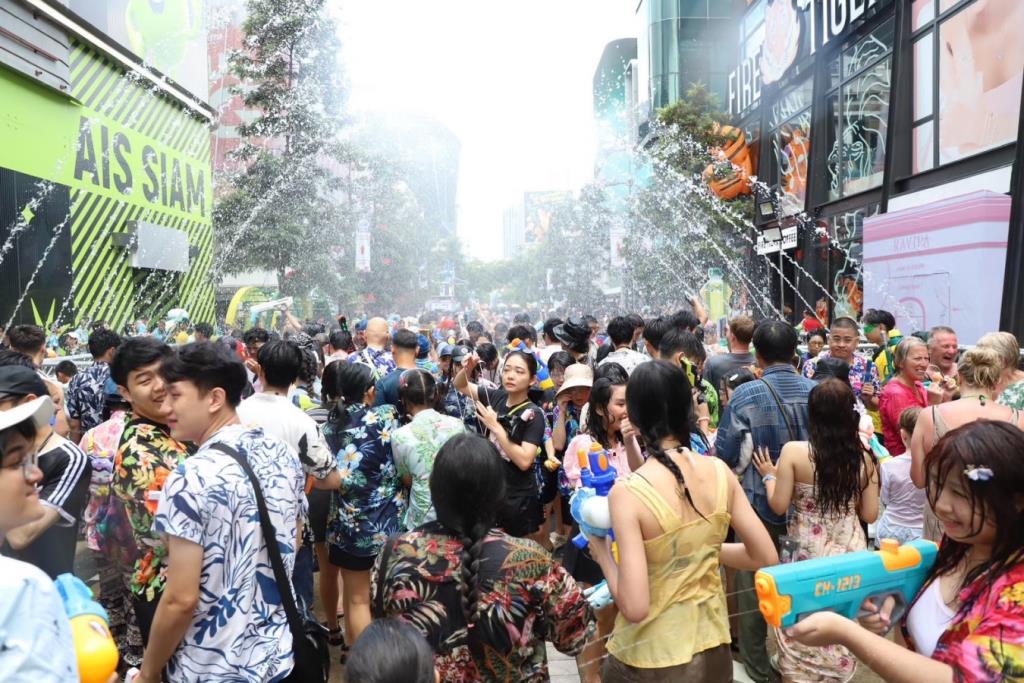
As Thailand prepares for its annual Songkran celebrations, a growing emphasis on sustainability is reshaping how the nation marks its traditional water festival. In Bangkok and beyond, organizers are implementing eco-conscious initiatives aimed at reducing waste, cutting carbon emissions, and promoting resource reuse — transforming what was once seen primarily as a festive, water-soaked revelry into a model for green urban events.
This year’s Songkran, observed from April 13 to 15, has drawn particular attention for the launch of the “Sustainable Songkran” framework by the Bangkok Metropolitan Administration (BMA), which positions the festival as a pilot for environmentally responsible public celebrations. The initiative aligns with broader national goals under Thailand’s Bio-Circular-Green Economy model, seeking to balance cultural preservation with ecological accountability.
Central to the effort is the “Reduce Waste – Reduce Carbon – Pass On Resources” campaign, which encourages participants and vendors to adopt reusable containers, minimize single-use plastics, and support circular economy practices. Officials say the program builds on lessons from previous years, when post-festival cleanup revealed tens of tons of discarded packaging and plastic waste across major celebration zones.
According to the Bangkok Post, the BMA reported collecting over 120 tons of waste during the 2023 Songkran period, with plastic bottles and food packaging making up nearly 60% of the total. In response, this year’s strategy includes deploying more than 500 recycling stations across key districts such as Khao San Road, Silom, and RCA, alongside public awareness campaigns in Thai and English to guide both locals and tourists.
Verified data from the Pollution Control Department (PCD) shows that Thailand generates approximately 2 million tons of plastic waste annually, with festive periods contributing to seasonal spikes. By targeting behavioral change at large-scale events like Songkran, authorities hope to reduce pressure on landfills and lower the festival’s carbon footprint through decreased waste transport and incineration.
Public-Private Partnerships Drive Green Innovation
The sustainable transformation of Songkran is not being led by government alone. Collaborations between the BMA, private enterprises, and civil society groups have introduced innovations such as solar-powered water stations, biodegradable waterproof pouches, and incentives for businesses that eliminate single-use plastics.
One notable example is the partnership between the Bangkok Metropolitan Administration and Central Pcl, which launched a “Green Zone” initiative at CentralWorld and CentralPlaza venues. Participating vendors receive certification for using compostable packaging or offering discounts to customers who bring their own containers. According to a press release from Central Pcl dated April 8, 2024, over 300 food and beverage outlets across its properties joined the program this year.
Meanwhile, the Thai Beverage Public Company Limited has introduced refillable water stations at major intersections along Silom and Sukhumvit Roads, aiming to cut down on disposable cup usage. The company reported in a sustainability update that its 2023 pilot prevented the use of an estimated 800,000 single-use cups during the festival period.
Academic institutions are also contributing. Researchers from Chulalongkorn University’s Faculty of Engineering conducted waste audits in 2023 and shared findings with city planners to inform this year’s bin placement and collection routes. Their data, presented at a public forum in March 2024, indicated that strategic placement of recycling points could increase proper disposal rates by up to 40%.
Cultural Continuity Meets Environmental Responsibility
Organizers stress that sustainability efforts are designed to enhance, not diminish, the cultural essence of Songkran. Traditional practices such as pouring water on Buddha images and elders’ hands remain central, with temples across Bangkok reporting increased participation in merit-making activities this year.
At Wat Pho, one of the city’s most visited temples during the festival, monks have encouraged visitors to use lotus-shaped brass bowls instead of plastic containers for the ritual water pouring. Temple officials told the Nation Thailand in an interview on April 12 that the switch has already reduced plastic waste at the site by an estimated 70% compared to previous years.
Similarly, community-led “green parades” have emerged in neighborhoods like Banglamphu and Phra Nakhon, where residents organize low-impact processions featuring traditional music, dance, and water blessings using recycled or rainwater collected in advance. These events aim to demonstrate that festivity and environmental stewardship can coexist.
The Tourism Authority of Thailand (TAT) has begun promoting these eco-conscious celebrations as part of its “Amazing Thailand Go Green” campaign, targeting environmentally aware travelers. In a briefing to foreign press on April 10, TAT officials noted growing interest from European and Australian tour operators in sustainable cultural experiences during Songkran.
Challenges and Room for Improvement
Despite progress, challenges remain. Enforcement of waste regulations varies across districts, and some vendors continue to rely on cheap, disposable packaging due to cost concerns. A survey conducted by the Bangkok-based NGO TerraCycle Thailand in early April found that while 68% of respondents supported eco-friendly initiatives, only 35% believed current incentives were sufficient to change behavior.
Logistical hurdles also persist. The sheer scale of water usage — estimated by the Metropolitan Waterworks Authority at over 300 million liters during the three-day festival — raises questions about long-term sustainability, particularly in years of drought. While much of the water is recycled through drainage systems, officials acknowledge the need for greater public education on conservation.
Looking ahead, the BMA has announced plans to evaluate the 2024 Songkran sustainability measures through a post-festival audit, with results expected by June. Findings will inform potential expansions of the program to other major Thai festivals, including Loy Krathong and the Vegetarian Festival.
As Songkran continues to evolve, its transformation into a benchmark for sustainable public celebration reflects a broader shift in how cities worldwide are reimagining traditional events in the era of climate awareness. For now, the focus remains on balancing joy with responsibility — one reusable cup, one mindful splash, at a time.
For official updates on Bangkok’s Songkran initiatives, visit the Bangkok Metropolitan Administration website or follow the Pollution Control Department’s environmental advisories.
If you’ve experienced Songkran in Bangkok this year or have ideas for making cultural festivals more sustainable, we invite you to share your thoughts in the comments below. Help spread the conversation by sharing this article with others interested in greener celebrations around the world.
Keep reading