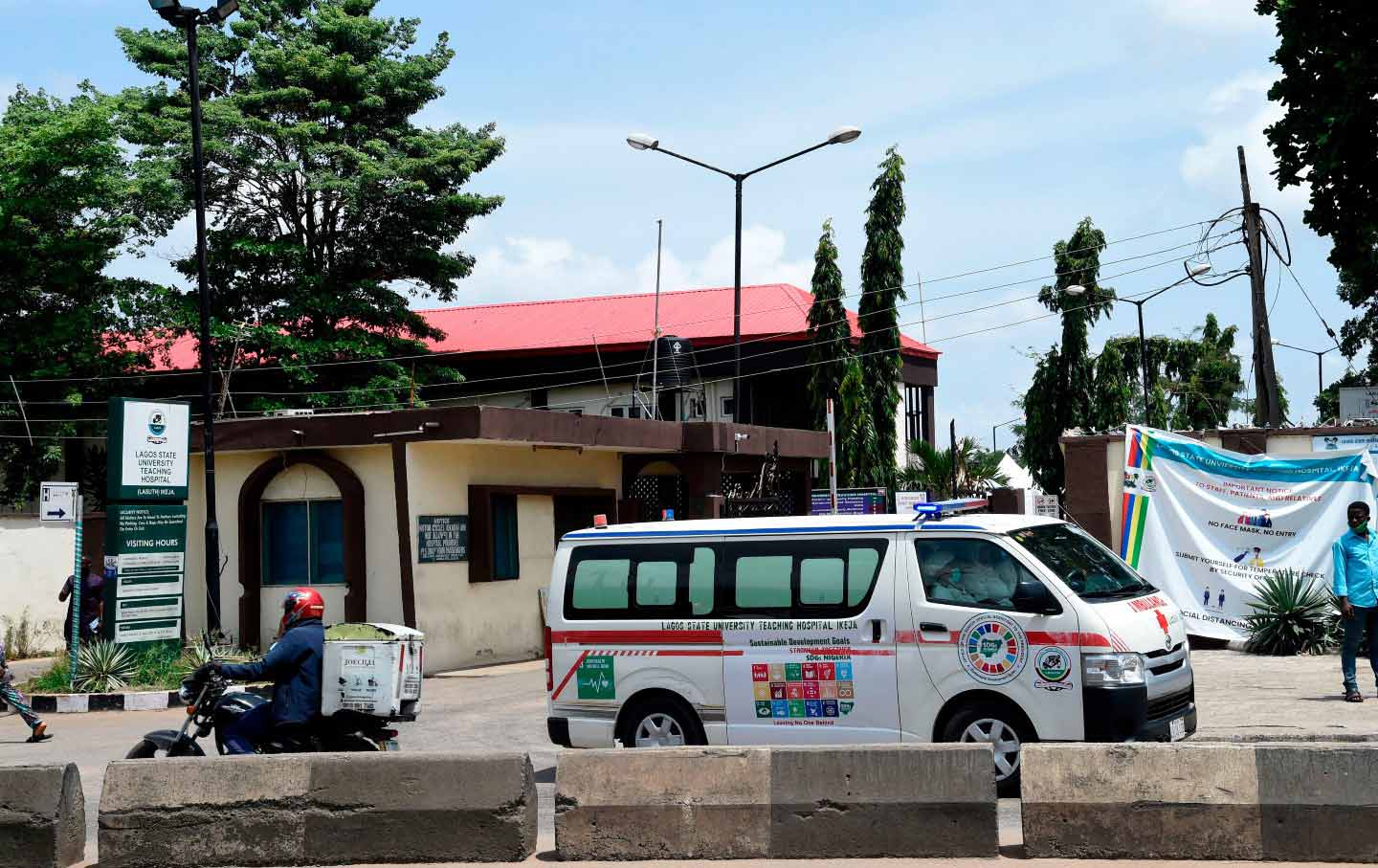
For many families in Nigeria, a medical emergency is not just a health crisis, but a navigation of a perilous and unpredictable system. The experience of seeking urgent care often transforms into a struggle against a lack of basic resources, where the availability of a functioning ambulance or a powered hospital ward is never guaranteed. This systemic fragility creates a “labyrinth” of care that can be as dangerous as the illnesses patients are fighting.
The reality of the Nigerian healthcare system is often defined by these gaps in service. When severe symptoms arise—such as a fever reaching 106°F and acute abdominal pain—the expected path to treatment is frequently blocked by operational failures. We see not uncommon for hospitals to report that ambulances are unavailable due to a lack of fuel or the absence of available drivers, forcing families to rely on private vehicles and the grace of relatives to reach emergency surgery or stabilization.
This reliance on personal networks rather than public infrastructure highlights a deeper instability. The anxiety accompanying these journeys is often compounded by a sense of helplessness, where the act of packing a hospital bag becomes a routine ritual for those dealing with chronic or recurring health scares. In this environment, the medical journey is less about the clinical cure and more about surviving the process of accessing care.
The Infrastructure Gap and Public Health Risks
Beyond the immediate crisis of emergency transport, the broader healthcare landscape in Nigeria is marred by chronic underfunding and logistical failures. Hospitals frequently operate without consistent electricity, a critical deficiency that jeopardizes everything from the storage of temperature-sensitive medications to the operation of life-saving machinery during surgery.

These failures contribute to some of the most pressing public health indicators in the region. Maternal mortality rates in Nigeria remain among the highest globally, reflecting a system that struggles to provide safe, accessible care for women during childbirth. When basic utilities like power and transport fail, the risk of preventable death increases, turning routine medical procedures into high-stakes gambles.
The Lifeline of International Aid
To fill these systemic voids, Nigeria has relied heavily on international assistance for decades. The United States Agency for International Development (USAID) has invested billions of dollars into the country’s healthcare, agriculture, education, and democratic governance to stabilize these essential services.
One of the most critical interventions has been the fight against HIV/Aids. Through the President’s Emergency Plan for Aids Relief (PEPFAR), established in 2003, USAID has provided funding for lifesaving antiretroviral therapy for 89 per cent of the nearly two million Nigerians living with HIV.
Similarly, malaria prevention has seen significant support. USAID-backed initiatives have protected 68 million Nigerians from malaria through the distribution of mosquito nets and the implementation of treatment programs. These efforts yielded tangible results, reducing child death rates from malaria by 16 per cent between 2010 and 2020.
The Threat of Funding Withdrawals
The stability of these public health gains is currently under threat. Reports indicate a significant shift in international aid policy, specifically with the Trump administration announcing that 90 per cent of USAID funding would be cut. This sudden reduction in financial support poses a severe risk to the continuity of care for millions of people.
The potential loss of this funding is expected to cripple several key areas of public health, including:
- Epidemic Preparedness: The ability to detect and respond to new health threats is diminished without consistent funding for surveillance and response teams.
- Immunization Programs: Routine vaccinations for children, which prevent countless deaths, rely on the logistical networks funded by international aid.
- Chronic Disease Management: The interruption of antiretroviral therapy for HIV patients could lead to drug resistance and increased mortality.
Critics of international aid argue that such funding fosters dependency rather than self-sufficiency, suggesting that aid serves as a temporary bandage over systemic wounds. However, in a context where hospitals lack electricity and ambulances lack fuel, the immediate removal of these “bandages” threatens to depart millions without any viable alternative for care.
Key Takeaways on the Nigerian Healthcare Crisis
| Challenge/Intervention | Impact/Statistic | Primary Driver |
|---|---|---|
| HIV/Aids Treatment | 89% of 2 million patients covered | PEPFAR/USAID Funding |
| Malaria Prevention | 68 million Nigerians protected | USAID initiatives |
| Child Mortality (Malaria) | 16% reduction (2010-2020) | Treatment & Net programs |
| Funding Stability | Proposed 90% cut in USAID aid | U.S. Administration Policy |
| Infrastructure | Lack of fuel, power, and ambulances | Systemic Underfunding |
The intersection of failing domestic infrastructure and dwindling international support leaves the Nigerian population in a precarious position. While the goal of self-sufficiency is ideal, the current reality is a system where the “labyrinth” of healthcare often leads to avoidable tragedy.
As international funding shifts, the focus now turns to how the Nigerian government will address the looming gap in epidemic preparedness and basic medical services. Further updates on funding allocations and healthcare policy changes are expected as the new budget cycles are implemented.
World Today Journal encourages readers to share this report and join the conversation on global health equity in the comments below.
Related reading