
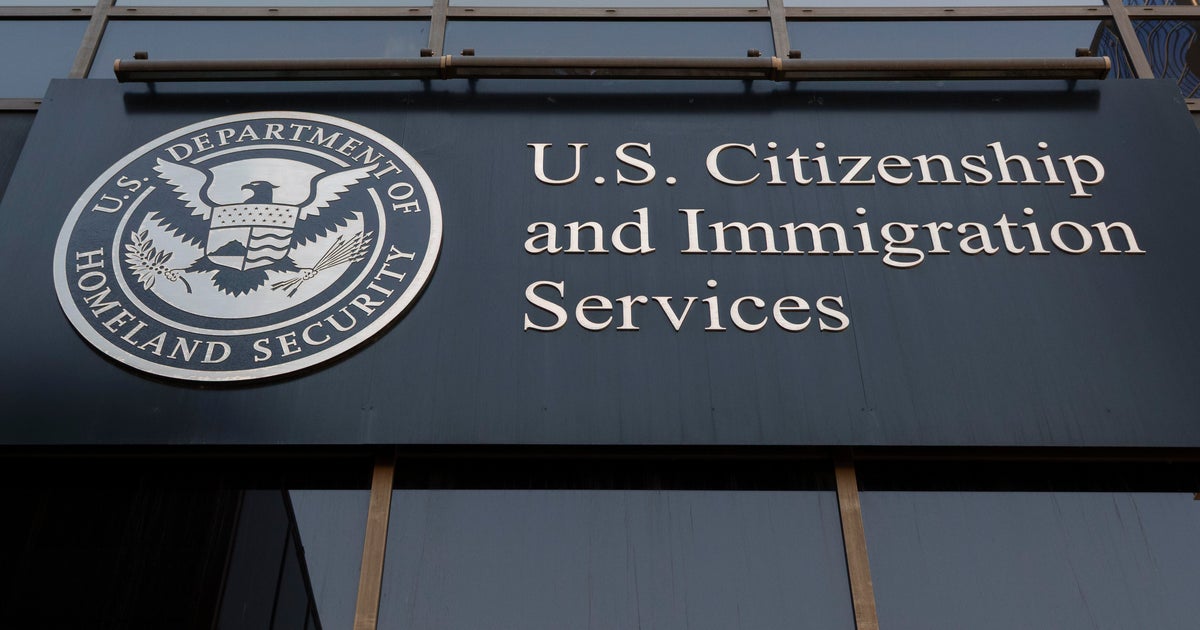
The landscape of U.S. Immigration policy has remained a focal point of intense scrutiny throughout recent administrative cycles, with particular attention paid to the procedural requirements for permanent residency. In recent years, shifting guidance regarding the “public charge” rule and the mechanisms for adjusting status from within the United States have created ripples of uncertainty for thousands of applicants. Navigating these federal mandates requires a clear understanding of the regulatory framework, which has often been subject to evolving interpretations by the Department of Homeland Security (DHS) and U.S. Citizenship and Immigration Services (USCIS).
For many international observers and legal experts, the core of the debate centers on whether the Trump administration’s green card policy changes effectively altered the legal pathway for those already residing in the country. While initial messaging from federal agencies prompted widespread concern regarding potential mandatory departures for adjustment-of-status applicants, subsequent clarifications suggested a more nuanced application of these rules. Understanding the distinction between policy rhetoric and the actual operational directives is essential for applicants attempting to secure their legal status during periods of administrative transition.
The U.S. Immigration system, governed primarily by the Immigration and Nationality Act, provides specific pathways for foreign nationals to obtain lawful permanent residence. When the administration previously signaled adjustments to how it evaluates “public charge” grounds of inadmissibility, the move sparked significant anxiety among immigrant communities and legal advocacy groups. These concerns were largely driven by fears that individuals who had utilized public benefits might be retroactively penalized or forced to leave the country to finalize their visa processing, a prospect that would have marked a substantial shift in long-standing administrative norms.
Understanding the Public Charge Rule and Administrative Clarity
At the heart of the confusion were administrative attempts to broaden the definition of a “public charge,” a legal term used to describe individuals deemed likely to become primarily dependent on the government for subsistence. According to federal guidance finalized during the Trump administration, the criteria for determining inadmissibility were intended to be more restrictive, focusing on a broader range of public assistance programs. However, the implementation of these rules faced immediate legal challenges, resulting in a complex web of injunctions and stay orders across various federal courts.

Official records from the Department of Homeland Security highlight that the agency eventually moved to align its practices with judicial mandates, which frequently halted the most stringent applications of the public charge policy. The back-and-forth between executive directives and judicial oversight created an environment where the “impact” of the policy was often overstated in public discourse, while the actual administrative requirement for applicants to leave the U.S. Remained limited to specific, narrow categories of visa processing rather than a blanket requirement for all green card seekers.
For applicants, the primary concern remains the adjustment of status process, which allows eligible individuals to transition to permanent residency without leaving the United States. When administrative messaging appeared to threaten this process, it triggered a surge in inquiries to legal aid organizations. In practice, the vast majority of individuals seeking adjustment of status through employment or family-based petitions were never subject to a forced departure mandate, despite the prevailing climate of uncertainty. This disconnect between policy intent and practical application remains a defining feature of the era’s immigration discourse.
The Human Impact of Administrative Ambiguity
The rhetoric surrounding legal immigration often carries consequences that extend beyond the courtroom. For families and professionals navigating the path to residency, the fear of sudden policy shifts can lead to the abandonment of valid applications or unnecessary relocation. Legal practitioners have frequently noted that the “chilling effect”—where individuals avoid necessary government services or legal processes out of fear—is often as significant as the policy changes themselves.
Information shared by U.S. Citizenship and Immigration Services emphasizes that applicants should rely on official policy manuals and direct updates rather than media speculation. During the peak of the confusion, the agency maintained that existing protocols for adjustment of status remained largely intact for those who met the statutory requirements. This serves as a critical reminder for those currently navigating the system: verify information through official government portals and consult with qualified immigration counsel to distinguish between political messaging and enforceable regulation.
Key Considerations for Green Card Applicants
- Verify Status Eligibility: Always confirm if your specific visa category qualifies for adjustment of status under current 8 CFR Part 245 regulations.
- Monitor Judicial Rulings: Because immigration policy is frequently subject to litigation, tracking court decisions can provide early warnings of potential procedural shifts.
- Consult Official Sources: Use the official USCIS website for the most accurate, up-to-date forms and filing instructions, rather than third-party summaries that may be outdated.
- Document Everything: Keep meticulous records of all correspondence and submissions made during your application process to protect your interests in the event of an administrative inquiry.
Navigating Future Developments
As the legal and political environment continues to evolve, the importance of accurate, fact-checked information cannot be overstated. The debates surrounding the Trump administration’s approach to immigration serve as a case study in how administrative policy, when communicated through a lens of political pressure, can create profound, if not always legally accurate, impacts on public perception.

Moving forward, applicants should remain vigilant for official notifications from the Department of Homeland Security regarding any prospective rule changes. The next major checkpoint for such policies typically involves public comment periods for proposed rule-making or formal announcements in the Federal Register. Staying informed through these official channels ensures that individuals can make decisions based on legal reality rather than the often-volatile nature of political discourse. For those currently in the process, the path to permanent residency remains a structured, legal journey—one that requires patience, documentation and a commitment to understanding the nuances of the law.
As a journalist covering international affairs, I welcome your thoughts on how these administrative shifts have impacted your own experiences or your communities. Please feel free to share your insights in the comments section below, and stay tuned to World Today Journal for ongoing coverage of global policy developments as they unfold.