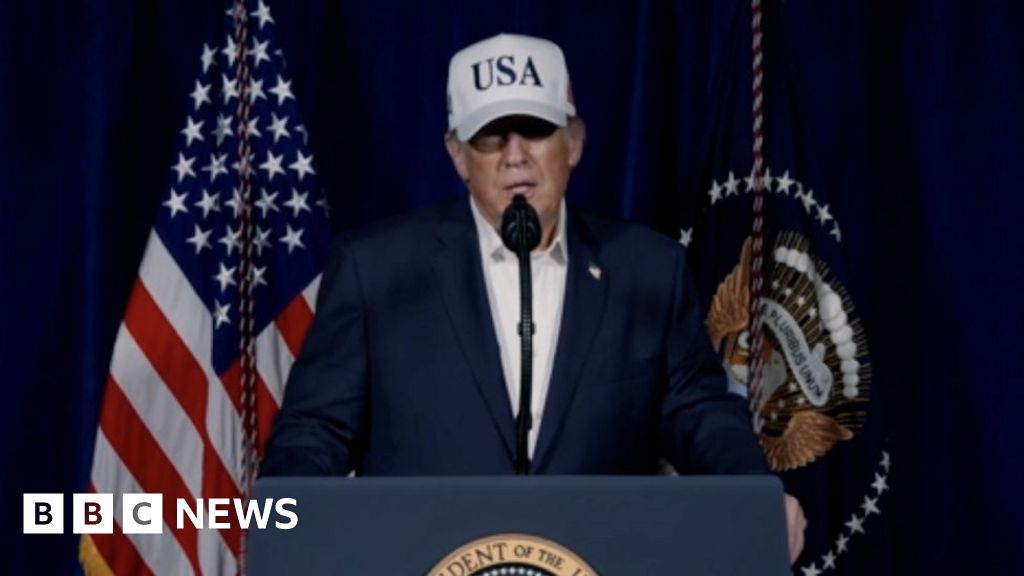
London, United Kingdom – March 1, 2026 – The geopolitical landscape shifted dramatically overnight as the United States and Israel launched attacks against targets within Iran, a move swiftly followed by a statement from former U.S. President Donald Trump calling for a change in the Iranian government. These developments come amidst escalating tensions in the region and raise significant concerns about a potential wider conflict. The situation remains highly fluid, with reports of strikes hitting Tehran and a rapidly evolving response from Iranian authorities.
The attacks, the extent and specific targets of which are still being reported, represent a significant escalation in the long-standing conflict between Israel and Iran, and a direct involvement of the United States. While details are emerging, the coordinated nature of the strikes suggests a high level of planning and intelligence sharing between the two allies. The timing of these actions is particularly noteworthy, occurring shortly after reports surfaced regarding the death of Iran’s Supreme Leader, Ayatollah Ali Khamenei, as announced by state media. The BBC reported on the Supreme Leader’s death earlier today, a development that could significantly impact Iran’s internal dynamics and regional policy.
Escalation and Initial Reactions
Former President Trump, speaking via a video posted on his Truth Social platform, accused the Iranian regime of an “unending campaign of bloodshed and mass murder targeting the United States.” He did not elaborate on the specific actions prompting this accusation, but his statement underscores a long-held critical stance towards Iran and its leadership. The timing of Trump’s statement, coinciding with the military actions, suggests a potential endorsement of the strikes and a call for further intervention. The New York Times is providing live updates on the unfolding situation, detailing the immediate aftermath of the attacks and the initial responses from various international actors.
The strikes themselves reportedly targeted locations within Tehran, the Iranian capital, although the precise nature of these targets remains unclear. The Guardian’s live coverage indicates ongoing reports of explosions and heightened security measures throughout the city. The Iranian government has yet to issue a comprehensive statement detailing the extent of the damage or outlining its planned response, but initial reports suggest a commitment to retaliation.
The Death of Ayatollah Khamenei and Potential Implications
The reported death of Ayatollah Ali Khamenei, Iran’s Supreme Leader for over three decades, adds another layer of complexity to this already volatile situation. Khamenei held immense power within Iran, shaping both domestic and foreign policy. His death creates a power vacuum and raises questions about the future direction of the country. The succession process, which is typically overseen by the Assembly of Experts, is likely to be closely watched by international observers. A change in leadership could potentially lead to a shift in Iran’s nuclear program, its regional alliances, and its overall approach to international relations. However, It’s also possible that hardliners within the regime will consolidate power, leading to a more confrontational stance.
The timing of the attacks in conjunction with the Supreme Leader’s death is particularly sensitive. Some analysts suggest the strikes may have been intended to exploit the potential instability caused by the leadership transition. Others believe the attacks were planned independently and the timing is coincidental. Regardless, the confluence of these events creates a highly unpredictable environment and increases the risk of miscalculation.
Global Market Reactions and Economic Concerns
Unsurprisingly, global financial markets reacted swiftly to the news of the attacks. Oil prices surged as investors anticipated potential disruptions to supply from the Middle East, a region critical to global energy markets. Stock markets in Europe and Asia experienced significant declines, reflecting investor concerns about the broader economic implications of a potential escalation of conflict. The price of gold, often considered a safe-haven asset, also rose sharply.
The potential for a wider conflict in the Middle East poses a significant threat to global economic stability. Disruptions to oil supplies could lead to higher energy prices, fueling inflation and slowing economic growth. Increased geopolitical uncertainty could also dampen investment, and trade. A prolonged conflict could exacerbate existing humanitarian crises in the region and lead to a surge in refugee flows. The economic consequences of a sustained conflict could be far-reaching and impact countries around the world.
Impact on Energy Markets
The Middle East remains a crucial hub for global oil production, accounting for a substantial percentage of worldwide supply. Any disruption to oil flows from the region, whether due to direct attacks on infrastructure or increased geopolitical instability, could have a significant impact on prices. Brent crude, the international benchmark, saw an immediate increase following reports of the attacks, and further price volatility is expected in the coming days and weeks. The International Energy Agency (IEA) is closely monitoring the situation and assessing the potential impact on global energy markets.
International Response and Diplomatic Efforts
The international community has reacted with a mix of concern and calls for restraint. The United Nations Secretary-General has urged all parties to exercise maximum restraint and avoid further escalation. Several countries have issued statements condemning the attacks and calling for a peaceful resolution to the conflict. However, there is a lack of consensus on the appropriate course of action, with some countries expressing support for Israel’s right to defend itself while others emphasizing the need for de-escalation and diplomatic engagement.
Diplomatic efforts to mediate a ceasefire or de-escalate the situation are likely to intensify in the coming days. However, the deep-seated mistrust between Iran and its adversaries, coupled with the complex regional dynamics, make a peaceful resolution challenging. The involvement of multiple actors, including the United States, Israel, Iran, and regional proxies, further complicates the situation.
What Happens Next?
The immediate future remains highly uncertain. Iran is expected to respond to the attacks, and the nature and scale of its response will be critical in determining whether the conflict escalates further. The United States and Israel have signaled their readiness to defend themselves against any retaliatory actions. The coming days and weeks will be crucial in shaping the trajectory of this crisis. The international community will be closely watching developments and seeking to prevent a wider conflict. Further updates will be provided as the situation evolves. The next key event to watch for is a formal statement from the Iranian government outlining its response to the attacks, expected within the next 24-48 hours.
This is a developing story, and World Today Journal will continue to provide updates as they become available. We encourage readers to share their thoughts and perspectives in the comments section below.
Related reading