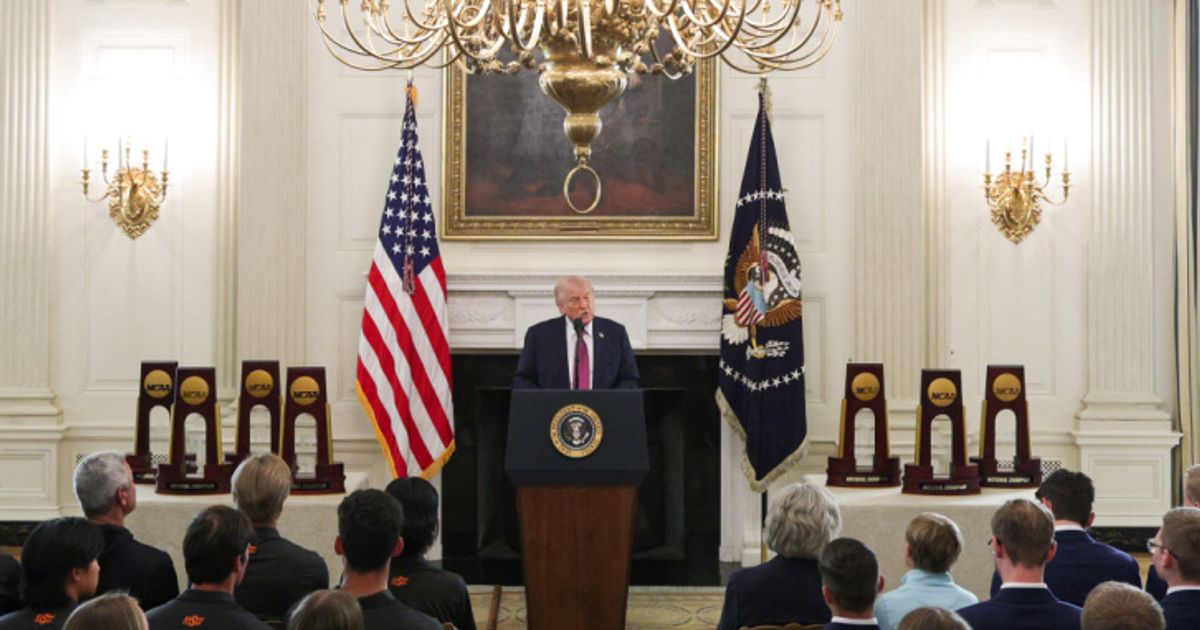
On April 22, 2026, reports emerged indicating that former U.S. President Donald Trump has suggested the temporary ceasefire between the United States and Iran may be extended beyond its original expiration date. The claim, first reported by Austrian outlet Tiroler Tageszeitung, states that Trump indicated the pause in hostilities could continue until a unified diplomatic proposal is presented. This development comes amid ongoing diplomatic efforts involving regional actors, including Pakistan, which has facilitated talks between Washington and Tehran in recent weeks.
The ceasefire, initially agreed upon in early April 2026, was described by multiple international outlets as a mutual pause in military operations rather than a formal peace agreement. According to The Economist, both nations consented to halt direct hostilities to allow space for diplomatic engagement, though underlying tensions over Iran’s nuclear program and regional influence remain unresolved. The pause was framed as a confidence-building measure, not a resolution of core disputes.
Trump’s comment, made during a private briefing with advisors according to sources cited by Tiroler Tageszeitung, implied that the U.S. Would not resume military actions if negotiations showed progress toward a comprehensive framework. However, no official statement from the Trump administration or current U.S. Government officials has confirmed this position as of April 22, 2026. The White House has not issued any public guidance on the status of the U.S.-Iran ceasefire extension.
Pakistani diplomats have played an active role in facilitating dialogue between the two countries. A delegation from Islamabad met with Iranian officials in Tehran on April 20, 2026, as reported by PBS, to encourage sustained dialogue before the initial ceasefire deadline. The discussions focused on confidence-building measures and the possibility of a broader agreement involving regional stakeholders.
European media have offered varied interpretations of the situation. German outlet politico.eu reported that Trump and Iranian officials had reached an understanding on the ceasefire, though it did not specify the duration or conditions. Meanwhile, Austrian broadcaster ORF characterized Trump’s role in the negotiations as a potential obstacle to diplomacy, citing his unpredictable stance and past withdrawal from the Joint Comprehensive Plan of Action (JCPOA) in 2018.
Other outlets have warned of escalation risks. Die Presse noted that despite the pause, both the U.S. And Iran maintain significant military posturing in the Gulf region, with naval forces operating in close proximity. The publication warned that miscalculation or accidental engagement could quickly reignite hostilities, particularly if diplomatic talks stall.
WELT’s live ticker on April 21, 2026, tracked developments in real time, noting that Iranian officials had reiterated their demand for sanctions relief as a precondition for any lasting agreement. The report also mentioned that U.S. Envoys had emphasized the need for verifiable limits on uranium enrichment, a point of continued contention.
Der Standard published an analysis on April 20, 2026, questioning whether the current pause represents a genuine opening for peace or merely a temporary lull before renewed confrontation. The article highlighted the lack of trust between the two sides and the absence of a clear roadmap for negotiations beyond the ceasefire period.
As of April 22, 2026, no formal extension of the ceasefire has been announced by either government. The original understanding, based on reports from early April, was that the pause would last for a limited period to allow for diplomatic exploration. Neither the U.S. State Department nor Iran’s Ministry of Foreign Affairs has issued updated guidance on the timeline or conditions for renewal.
The situation remains fluid, with regional actors such as Oman and Qatar continuing to offer mediation services. International observers, including the International Crisis Group, have urged both parties to use the pause constructively to avoid miscalculation. However, without a verifiable mechanism to monitor compliance or a clear agenda for talks, the sustainability of the ceasefire remains uncertain.
For readers seeking updates on this evolving situation, official statements from the U.S. Department of State and the Islamic Republic of Iran’s Ministry of Foreign Affairs are the most reliable sources. Multilateral forums such as the United Nations Security Council may also provide insight into broader international perspectives on the diplomatic process.
What do you think about the prospects for lasting diplomacy between the U.S. And Iran? Share your thoughts in the comments below, and consider sharing this article to help others stay informed.
Keep reading