When vision begins to blur, it’s often dismissed as a sign of aging or fatigue. But for many, especially those managing weight and blood sugar, declining eyesight can signal something far more serious: the long-term impact of uncontrolled diabetes. This is the reality faced by countless individuals who, despite significant weight loss, continue to grapple with persistently high blood glucose levels — a combination that raises urgent questions about the relationship between obesity, diabetes, and diabetic complications like retinopathy.
The connection between excess weight and type 2 diabetes is well-established. As noted in recent medical reporting, carrying extra weight — particularly around the abdomen — increases insulin resistance, forcing the pancreas to work harder to regulate blood sugar. Over time, this strain can lead to beta-cell failure and the onset of diabetes. What’s less widely understood, however, is that weight loss alone does not always reverse the condition, especially if blood sugar has remained uncontrolled for years.
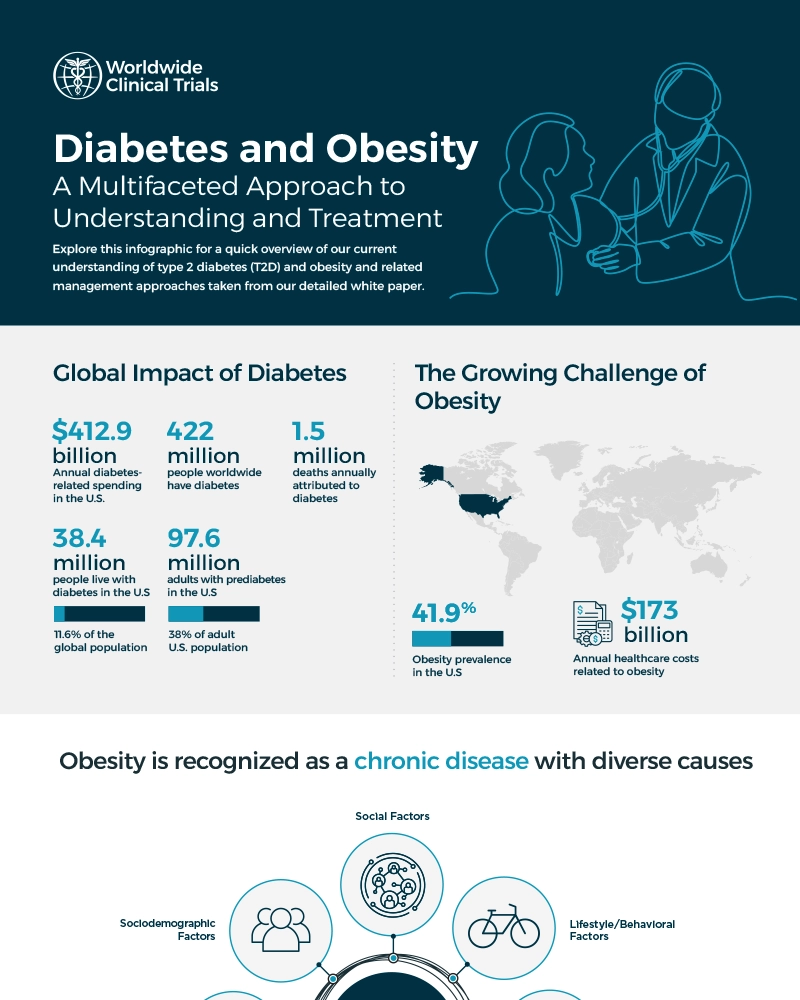
According to data from Korean health authorities cited in recent news analyses, individuals classified as overweight or obese have a significantly higher prevalence of diabetes compared to those with lower body mass. Between 2001 and 2021, diabetes prevalence in the overweight and obese group rose from 12.1% to 16.3%, representing a 34.7% increase. In contrast, those with normal or low body weight saw their diabetes rates rise from 8.8% to approximately 11.7% over the same period — a 33% increase, highlighting that although obesity is a major risk factor, it is not the sole determinant of diabetes risk.
This phenomenon, sometimes referred to as “lean diabetes” or “skinny diabetes,” is particularly relevant in East Asian populations, where individuals may develop type 2 diabetes at lower body weights due to genetic predispositions, visceral fat accumulation, or differences in fat distribution. Even modest amounts of internal fat — especially around the liver and pancreas — can disrupt metabolic function and impair insulin sensitivity, independent of overall body weight.
For someone who has lost 60 kilograms but still records blood glucose levels as high as 460 mg/dL, the situation is medically alarming. Such extreme hyperglycemia indicates severe insulin deficiency or resistance and significantly elevates the risk of acute complications like diabetic ketoacidosis, as well as chronic damage to nerves, kidneys, and eyes. Vision changes, in particular, often stem from diabetic retinopathy — a condition caused by prolonged high blood sugar damaging the tiny blood vessels in the retina.
In its early stages, diabetic retinopathy may cause no noticeable symptoms. As it progresses, individuals may experience blurred vision, floaters, dark spots, or difficulty seeing at night. If left untreated, it can lead to vitreous hemorrhage, retinal detachment, or irreversible blindness. According to global health guidelines, regular dilated eye exams are essential for early detection, especially for anyone with a history of prolonged hyperglycemia, regardless of current weight or diabetes duration.
Management of advanced diabetes requires a comprehensive approach that goes beyond weight control. While bariatric surgery or intensive lifestyle intervention can lead to remission in some cases — particularly when applied early — long-standing diabetes with sustained high blood sugar may result in irreversible beta-cell damage. In such cases, treatment typically involves insulin therapy, glucose-lowering medications like metformin or GLP-1 receptor agonists, and rigorous monitoring of blood pressure and cholesterol to reduce cardiovascular risk.
Equally important is addressing the psychological and social dimensions of chronic illness. Individuals who have achieved major weight loss but continue to face health challenges may perceive frustrated, discouraged, or stigmatized. Support from healthcare providers, diabetes educators, and peer communities can play a vital role in sustaining motivation and improving quality of life.
For anyone experiencing vision changes alongside a history of diabetes — whether currently overweight, obese, or at a lower weight — prompt medical evaluation is critical. Early intervention can unhurried or even halt the progression of diabetic eye disease. Recommended steps include scheduling a comprehensive dilated eye exam with an ophthalmologist, reviewing current diabetes management with an endocrinologist or primary care provider, and ensuring consistent monitoring of HbA1c, blood pressure, and lipid levels.
While weight loss remains a powerful tool in improving metabolic health, it is not a guaranteed cure for diabetes, especially when the condition has progressed unchecked. Understanding the limitations and complexities of diabetes management empowers patients and caregivers to seek timely, evidence-based care — before complications like vision loss become irreversible.
As research continues to refine our understanding of diabetes subtypes and treatment responses, public awareness must evolve beyond the assumption that thinness equals safety or that weight loss alone resolves all metabolic risks. For those navigating this challenging journey, the message is clear: vigilance, comprehensive care, and regular screening are not optional — they are essential to preserving sight, health, and long-term well-being.
The next step for individuals concerned about diabetes-related vision changes is to consult with a healthcare provider about scheduling a retinal screening. No further public advisories or scheduled health campaigns related to diabetic retinopathy screening were identified in verified sources at the time of writing.
If you or someone you know is navigating diabetes and vision concerns, sharing experiences and questions can help build awareness, and support. Consider joining the conversation in the comments below or sharing this article with others who may benefit.
Related reading