The ‘Islamabad Declaration’: Inside the Potential Breakthrough in US-Iran Negotiations
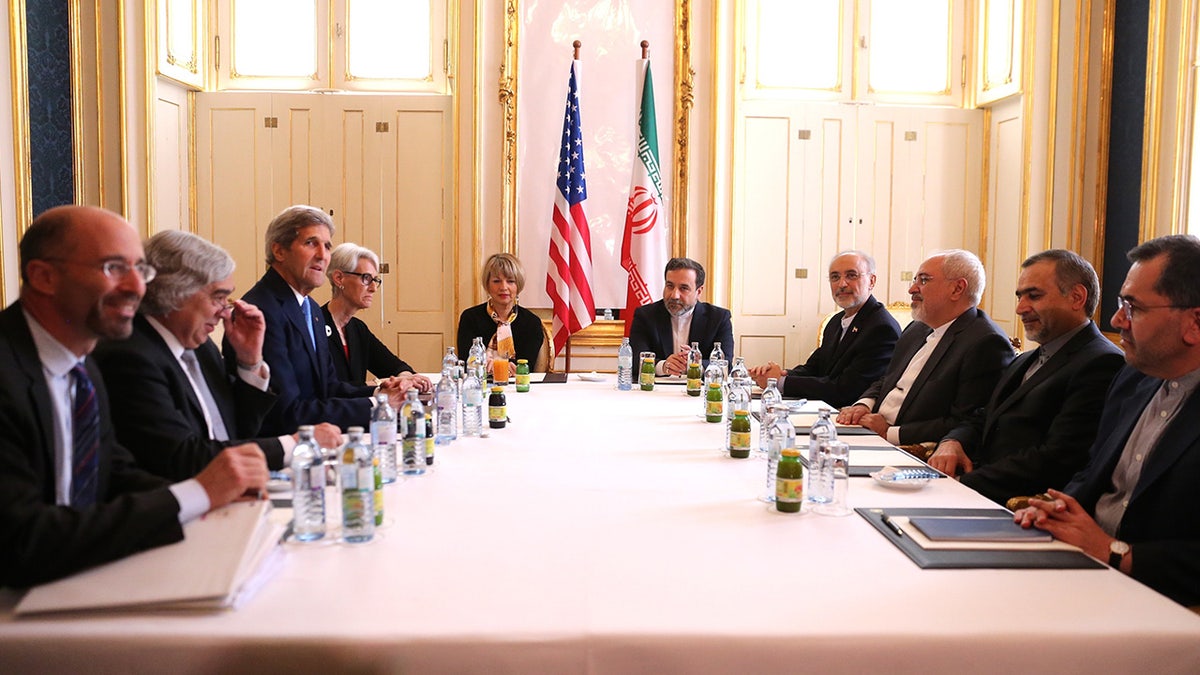
A significant diplomatic shift appears to be unfolding in the Middle East, as reports emerge of a potential preliminary agreement between the United States and Iran. The framework, which is being referred to by diplomats and observers as the “Islamabad Declaration,” could mark a pivotal turning point in the long-standing and volatile relationship between Washington and Tehran.
The proposed agreement aims to address the core drivers of recent regional instability, with discussions focusing heavily on ending active hostilities and securing critical maritime corridors. While the term “Islamabad Declaration” suggests a formal diplomatic architecture, the substance of the deal remains a subject of intense scrutiny as negotiators work to bridge the final gaps in a high-stakes effort to stabilize the region.
The momentum behind these talks has accelerated following recent diplomatic movements in Pakistan. While the exact mechanics of the negotiations are still being finalized, the emergence of a named framework indicates that the discussions have moved beyond mere exploratory dialogue into the realm of concrete, actionable terms. This development comes at a time of heightened global interest in whether a sustainable peace can be brokered to prevent further escalation of conflict.
A Deal ‘Largely Negotiated’ Amid Lingering Sticking Points
The current state of the negotiations is characterized by a duality of optimism and caution. On one hand, high-level American officials have signaled that significant progress has been made, with some describing the core components of a potential deal as “largely negotiated.” This sentiment suggests that the broad strokes of the agreement—concerning security guarantees and the cessation of conflict—may already be within reach.
However, this optimism is tempered by reports from Iranian media, which indicate that the path to a final signature is not yet clear. According to these reports, one or two critical points remain unresolved in the ongoing talks with U.S. Representatives. These “sticking points” are often the most sensitive aspects of such high-level diplomacy, frequently involving specific verification mechanisms, the timeline for sanctions relief, or the precise terms of regional de-escalation.
The tension between the perception of a nearing conclusion and the reality of unresolved technicalities is common in complex geopolitical negotiations. For the “Islamabad Declaration” to move from a preliminary framework to a binding international agreement, these final hurdles must be cleared without undermining the concessions already reached by both sides.
Core Objectives: Ending Conflict and Securing the Strait of Hormuz
While the full text of the anticipated agreement remains confidential, the primary objectives of the negotiations have become increasingly clear through diplomatic channels. Central to the talks is the formal end to the current state of conflict, a move that would fundamentally alter the security landscape of the Middle East.
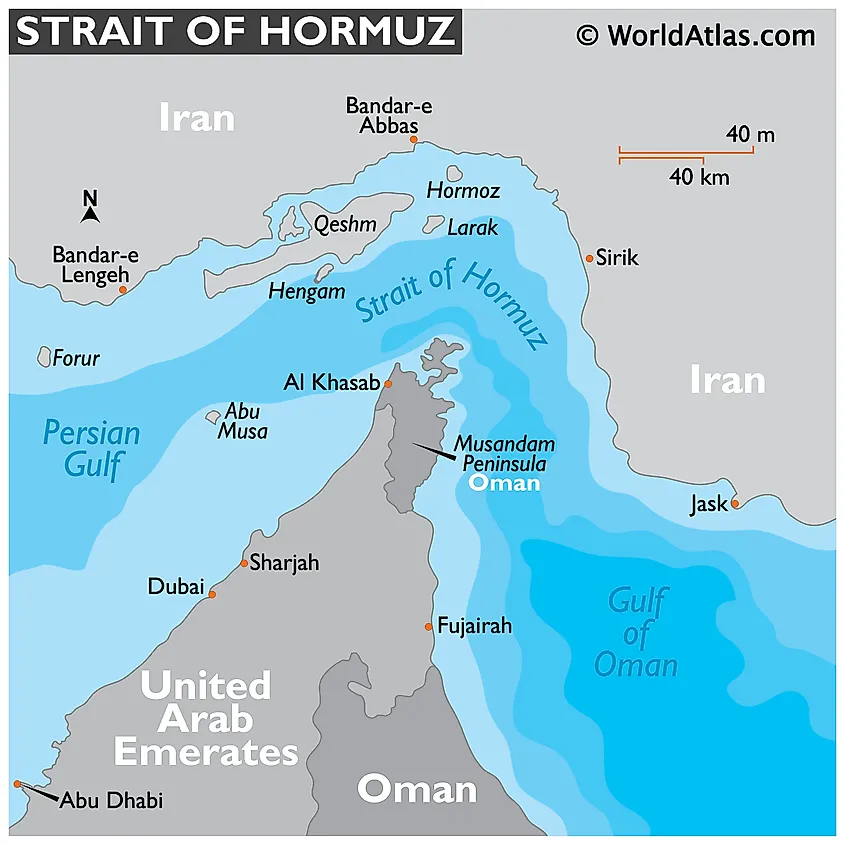
A major pillar of the proposed agreement involves the stability and reopening of the Strait of Hormuz. As one of the world’s most vital maritime chokepoints, the security of this passage is a matter of global economic importance. Recent discussions have emphasized that a successful US-Iran rapprochement must include guarantees regarding the freedom of navigation and the prevention of maritime blockades or skirmishes that could disrupt global energy supplies.
The focus on the Strait of Hormuz underscores the economic stakes involved. Any agreement that successfully mitigates the risk of conflict in these waters would likely have an immediate impact on global oil markets and maritime insurance rates, providing a much-needed sense of predictability to international trade.
The Role of Islamabad in Regional Diplomacy
The naming of the agreement after Islamabad is significant, pointing to the role of Pakistan as a neutral ground or a facilitating venue for these delicate discussions. The recent presence of high-level Iranian diplomats in Pakistan has provided a physical backdrop for the diplomatic maneuvering that is currently taking place.
Pakistan’s position as a non-aligned actor in the direct US-Iran rivalry makes it a logical site for mediation or for the hosting of preliminary talks. The “Islamabad Declaration” thus carries a symbolic weight, suggesting that the resolution of the US-Iran impasse may depend on regional cooperation and the involvement of third-party states that can offer a neutral platform for dialogue.
This shift toward regional-led mediation reflects a broader trend in global affairs, where middle powers play an increasingly vital role in managing the tensions between superpowers and their regional adversaries.
Key Takeaways: The Path to the Islamabad Declaration
- Preliminary Framework: The “Islamabad Declaration” serves as the working name for a potential US-Iran preliminary agreement.
- Negotiation Status: While U.S. Officials suggest the deal is “largely negotiated,” Iranian sources report that one or two key issues remain unresolved.
- Primary Goals: The agreement is focused on ending regional hostilities and ensuring the security of the Strait of Hormuz.
- Diplomatic Venue: The negotiations have been facilitated by recent diplomatic activity in Pakistan, highlighting Islamabad’s role in the process.
- Global Impact: A successful deal would likely stabilize global energy markets and reduce maritime security risks in the Middle East.
Timeline of Recent Diplomatic Developments
| Date | Event/Development | Significance |
|---|---|---|
| Late April 2026 | Iranian top diplomat returns to Pakistan | Signaled heightened diplomatic activity in the region. |
| Early May 2026 | Intensified US-Iran negotiations | Focus shifted toward concrete terms for an agreement. |
| May 24, 2026 | Emergence of the “Islamabad Declaration” concept | Indicates the move toward a formal, named framework. |
Geopolitical Implications: What Happens Next?
The transition from a “largely negotiated” deal to a signed declaration will be the ultimate test of the current diplomatic momentum. If the “Islamabad Declaration” is successfully ratified, it could lead to a significant de-escalation of tensions in the Middle East, potentially paving the way for broader regional security architectures.

However, the risks remain high. Should the remaining “one or two points” prove insurmountable, the collapse of these talks could lead to renewed hostilities and further instability in the Strait of Hormuz. The international community will be watching closely to see if the diplomatic efforts in Islamabad can translate into a lasting peace or if the regional conflict will continue to escalate.
The next critical checkpoint will be the official response from both the White House and the Iranian government regarding the finalization of the remaining sticking points. Any formal announcement regarding a signing date or a breakthrough on the unresolved issues will be a major indicator of the deal’s viability.
For more updates on this developing story and expert analysis on Middle Eastern geopolitics, please follow World Today Journal and share this article with your network. We welcome your comments and perspectives below.