
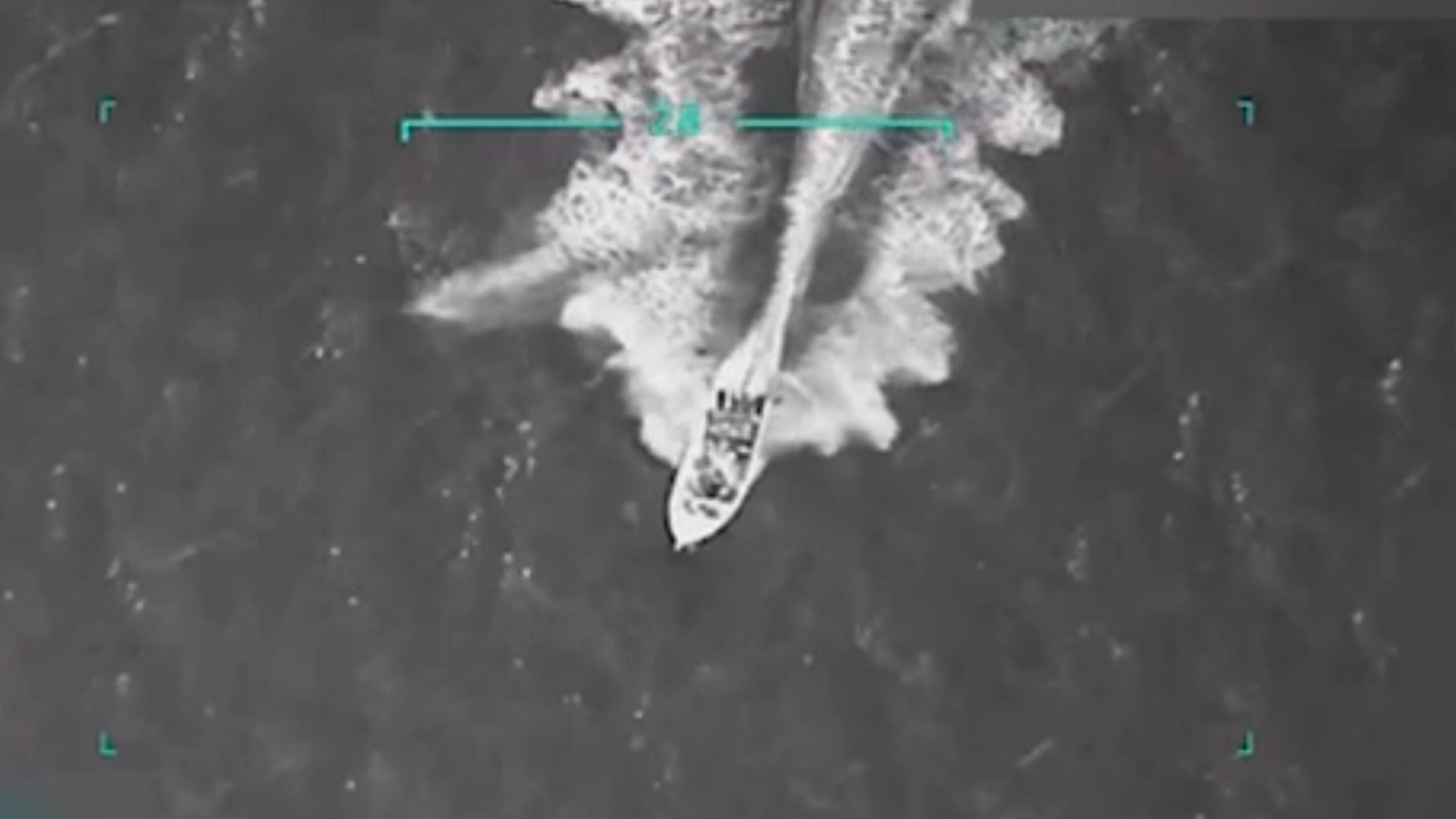
Rising Tensions in the Caribbean: US Strikes and Venezuela‘s Response
The Caribbean Sea is witnessing escalating tensions following recent US military strikes targeting suspected drug traffickers. These actions have sparked condemnation from Venezuela and ignited a debate over the legality of such operations. Let’s break down what’s happening and why it matters.
A Close Proximity & Conflicting Responses
Only a few miles separate Venezuela and Trinidad and Tobago at their nearest point, making the region particularly sensitive to illicit activities. Venezuela’s ambassador to the United Nations has strongly criticized the recent US military action in Caribbean waters.
Meanwhile, Trinidad and Tobago’s Prime Minister Kamla Persad-Bissessar has taken a markedly different stance. She praised the initial strike against a suspected drug vessel and advocated for a harsh response to traffickers, stating they should be met wiht “violent” force.
What Exactly Happened?
The Trump governance authorized these strikes, but details remain scarce. Information regarding the identities of those killed, the specifics of the cargo, and the full legal justification for the operations has been limited. This lack of transparency is fueling concerns and scrutiny.
Legal and Ethical Concerns
Some legal experts, including former military lawyers, are questioning the legality of these strikes under the law of war. They argue that killing suspected traffickers at sea, rather than apprehending them, doesn’t meet the necesary legal standards.
The Pentagon, though, defends the actions. They characterize the situation as a “non-international armed conflict” with drug cartels and maintain that the strikes are legally justified. This framing is at the heart of the ongoing debate.
Broader Context: Venezuela’s Internal Situation
These events unfold against a backdrop of political turmoil within Venezuela. Here’s a quick look at related developments:
* Opposition Leader: Maria Corina Machado, a prominent opposition figure, recently won the Nobel Peace Prize. Her work highlights the ongoing struggle for democracy in venezuela.
* Embassy Closure: Venezuela has announced the closure of its Norwegian embassy, a move occurring shortly after machado’s Nobel win. This decision signals further diplomatic shifts.
* Increased Bounty: The US has doubled the reward for the arrest of Venezuelan President Nicolás Maduro, raising the stakes in the ongoing political standoff.
What Does This Meen for You?
These developments have implications beyond the immediate region. They raise critical questions about:
* International Law: The boundaries of permissible military action in combating drug trafficking.
* Regional Stability: The potential for escalation and the impact on neighboring countries.
* US Foreign Policy: The evolving approach to Latin America and the fight against narcotics.
As the situation continues to evolve, staying informed is crucial. Understanding the complexities of this issue will allow you to form your own informed opinion on these critical events.


