
Valve’s Next-Gen Steam Controller Leaks: TMR Thumbsticks and Haptic Feedback Redefine PC Gaming
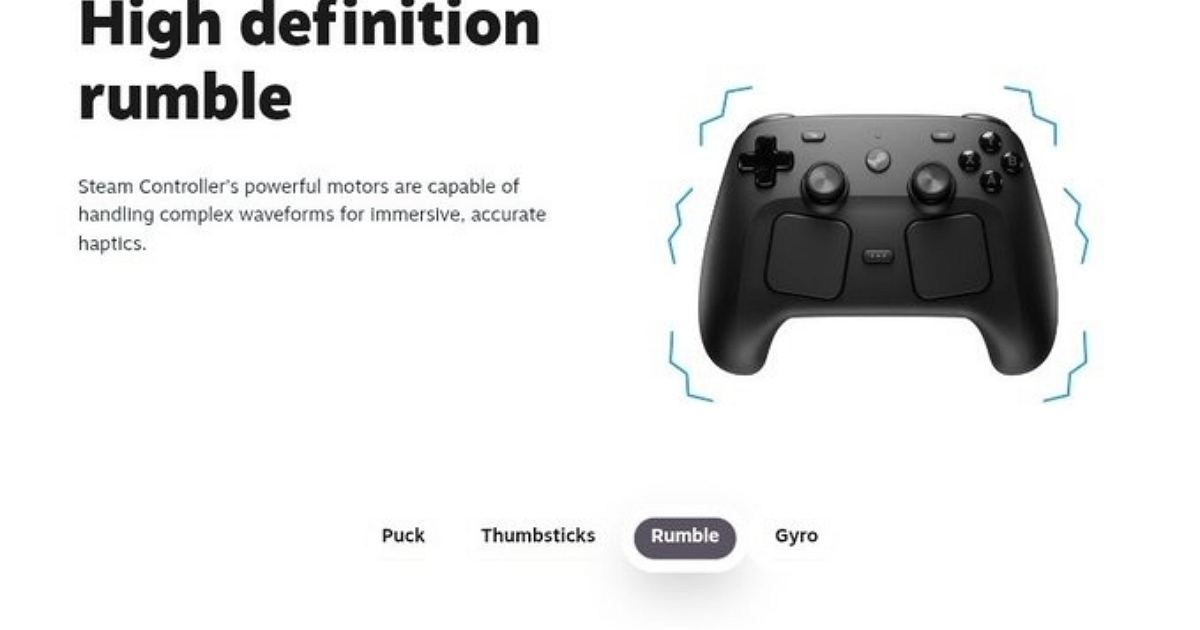
SAN FRANCISCO — Valve is poised to redefine PC gaming peripherals with its upcoming Steam Controller, a device that promises to eliminate analog stick drift—a long-standing frustration for gamers—while delivering immersive haptic feedback. Leaked details and verified reports confirm the controller will feature TMR (Tunnel Magnetoresistance) thumbsticks, a cutting-edge sensor technology that replaces traditional potentiometers, ensuring precision and durability. The controller also boasts four motors for full-body haptic feedback, a first for Valve’s hardware lineup, positioning it as a direct competitor to high-end controllers like the Xbox Elite Series 2 and PlayStation DualSense.
The new Steam Controller was initially teased alongside Valve’s Steam Deck and Steam Machine, a compact gaming PC running SteamOS, but its release was delayed due to supply chain constraints. However, recent developments suggest Valve may launch the controller independently, ahead of the Steam Machine’s anticipated 2026 debut. This strategic move could capitalize on the growing demand for premium PC gaming peripherals, particularly among Steam Deck users looking to enhance their desktop experience.
For gamers, the most exciting feature is the TMR thumbsticks, which use magnetic sensors to track movement. Unlike traditional analog sticks, which rely on physical contact and wear out over time, TMR thumbsticks are immune to drift—a common issue in controllers like the Xbox and PlayStation DualShock. This technology has already been adopted in high-end peripherals, such as the Razer Wolverine V2, but Valve’s implementation could bring it to a broader audience. Early leaks also suggest the controller will include magnetic thumbsticks, which can be swapped or replaced, further extending its lifespan.
Design and Features: A Closer Look
The new Steam Controller retains the dual-trackpad design of its predecessor but introduces several refinements. According to verified leaks from TweakTown and industry insiders like Brad Lynch, a well-known Valve data miner, the controller will feature:
- Dual TMR thumbsticks for drift-free precision.
- Four haptic motors for nuanced feedback, including adaptive triggers and localized vibrations.
- Wireless charging via a magnetic puck, eliminating the need for USB-C cables.
- Steam Overlay access, allowing players to navigate menus without pausing gameplay.
- Customizable buttons and paddles, catering to competitive and casual gamers alike.
The controller’s design appears to blend the ergonomics of the Xbox Elite Series 2 with the versatility of Valve’s original Steam Controller. Early hands-on impressions from leaked review videos suggest the build quality is on par with premium peripherals, with a focus on comfort during extended gaming sessions. The inclusion of HD rumble—a feature popularized by the Nintendo Switch—further enhances immersion, particularly in single-player and narrative-driven games.
Why TMR Thumbsticks Matter
Analog stick drift has plagued gamers for decades, particularly in high-use controllers like those for the Xbox and PlayStation. Traditional potentiometers—physical sensors that measure stick movement—degrade over time due to dust, wear, and tear, leading to inaccurate inputs. TMR thumbsticks, however, use magnetic fields to track movement, eliminating physical contact and drastically reducing the risk of drift. This technology is already used in high-end flight sticks and racing wheels, but its adoption in mainstream gaming controllers has been limited.

Valve’s decision to integrate TMR thumbsticks could set a new standard for the industry. While competitors like Sony and Microsoft have experimented with alternative sensor technologies, none have fully committed to a drift-free solution. If the Steam Controller delivers on its promises, it could pressure other manufacturers to follow suit, particularly as gamers increasingly demand durability and precision in their peripherals.
Haptic Feedback: A Step Beyond DualSense
The new Steam Controller’s haptic feedback system is another standout feature. While the PlayStation DualSense introduced advanced haptics in 2020, Valve’s implementation appears to take it further with four independent motors. This allows for more granular feedback, such as simulating the texture of surfaces or the recoil of different weapons in-game. For example, in a first-person shooter, players might feel distinct vibrations for each type of gunfire, while in a racing game, the controller could replicate the sensation of driving on different road surfaces.
This level of detail could make the Steam Controller a favorite among PC gamers who prioritize immersion. It also aligns with Valve’s broader strategy of enhancing the gaming experience through hardware innovation, as seen with the Steam Deck, which brought PC gaming to a handheld form factor.
Release Timeline and Pricing: What We Know
Valve originally planned to launch the new Steam Controller alongside the Steam Machine and Steam Frame (a rumored VR headset) in early 2026. However, supply chain issues—particularly shortages in memory and storage components—forced the company to delay the full hardware lineup. According to a report from TweakTown, Valve may release the controller independently, possibly as early as mid-2026.
Pricing remains unconfirmed, but leaks suggest the controller could retail for $99, positioning it as a premium alternative to the Xbox Elite Series 2 ($179) and PlayStation DualSense Edge ($199). While This represents higher than the original Steam Controller’s $50 price tag, the inclusion of TMR thumbsticks and advanced haptics justifies the cost for enthusiasts. Early review videos, leaked ahead of the official announcement, have praised the controller’s build quality and features, though some critics argue the price may deter casual gamers.
The Bigger Picture: Valve’s Hardware Ambitions
The new Steam Controller is part of Valve’s broader push into hardware, a strategy that began with the Steam Deck in 2022. The Steam Deck, a handheld gaming PC running SteamOS, has been a commercial success, selling over 3 million units as of early 2024. Its popularity has demonstrated demand for Valve’s ecosystem, which combines PC gaming flexibility with console-like convenience.
The Steam Machine, a compact gaming PC designed to run SteamOS, is the next logical step in this strategy. While details remain scarce, leaks suggest it will feature a modular design, allowing users to upgrade components like the GPU and storage. This could position it as a viable alternative to traditional gaming PCs, particularly for users who prefer a plug-and-play experience. However, the Steam Machine’s success hinges on Valve’s ability to secure stable supply chains, a challenge that has delayed its release.
For now, the new Steam Controller represents Valve’s most immediate hardware opportunity. If it delivers on its promises, it could solidify Valve’s reputation as a hardware innovator while setting a new benchmark for PC gaming peripherals.
What’s Next for Gamers?
Valve has not yet announced an official release date for the new Steam Controller, but industry insiders expect an announcement in the coming months. Gamers eager to acquire their hands on the device should monitor Valve’s official channels, including the Steam Store and Valve’s Twitter account, for updates.
In the meantime, here’s what gamers can expect:
- Pre-orders: Likely to open shortly after the official announcement, with early adopters receiving the controller by mid-2026.
- Compatibility: The controller will work with all Steam games, as well as non-Steam titles via the Steam client’s controller configuration tools.
- Customization: Valve is expected to offer a range of customization options, including swappable thumbsticks, back paddles, and software profiles.
For those invested in Valve’s ecosystem, the new Steam Controller could be a game-changer—literally. Its combination of drift-free thumbsticks, advanced haptics, and wireless convenience makes it a compelling option for both PC and Steam Deck users. Whether it can compete with established players like Sony and Microsoft remains to be seen, but one thing is clear: Valve is not backing down from its hardware ambitions.
Key Takeaways
- Drift-Free Thumbsticks: The new Steam Controller features TMR thumbsticks, eliminating analog stick drift for precise, long-lasting performance.
- Advanced Haptics: Four independent motors deliver nuanced feedback, rivaling the PlayStation DualSense’s haptic system.
- Wireless Convenience: The controller supports wireless charging and Steam Overlay access, enhancing usability.
- Premium Pricing: Expected to retail for $99, positioning it as a high-end alternative to competitors like the Xbox Elite Series 2.
- Independent Release: Valve may launch the controller ahead of the Steam Machine, capitalizing on demand for premium PC peripherals.
- Broader Ecosystem: The controller is part of Valve’s hardware strategy, which includes the Steam Deck and upcoming Steam Machine.
Final Thoughts
Valve’s new Steam Controller represents a significant leap forward for PC gaming peripherals. By addressing analog stick drift and introducing advanced haptic feedback, Valve is not only improving the gaming experience but also setting a new standard for the industry. While the $99 price tag may give some gamers pause, the controller’s features and durability could justify the cost for enthusiasts.
As Valve prepares to unveil more details in the coming months, gamers should keep an eye on official announcements. Whether you’re a Steam Deck user, a PC gamer, or simply someone tired of controller drift, this is one piece of hardware worth watching.
What do you think of Valve’s new Steam Controller? Will you be upgrading, or are you waiting for more reviews? Share your thoughts in the comments below and join the conversation on social media.